admin
admin
Angela Sibanda, Showbiz Correspondent
The adoption of hip-hop culture in Africa saw the birth of diverse cultural practices in the music industry which continue to greatly impact societies outside the hip-hop circles.
Hip-hop or rap music originated in New York City in the 1970s and it consists of stylized rhythmic music usually built around drum beats that commonly accompany a rhythmic and rhyming speech that is chanted referred to as rapping.
Its spread saw the birth of practices such as street rap battles which were characterised by diss battles among artistes who later started recording diss tracks.
A diss is a song whose primary purpose is to verbally attack someone else, usually another artiste because of an already existing rivalry or conflicts of interests between artistes.
Hip-hop artistes in America have always used diss tracks to settle personal matters and a number of them have produced what have been regarded as the most brutal tracks.

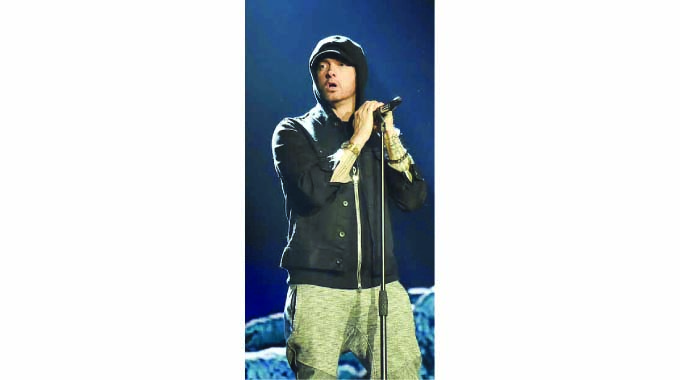
Eminem released the song The Warning targeting Mariah Carey and her ex-husband, Nick Cannon in response to Carey’s diss track Obsessed. In the song, Carey also denied that she and Eminem had ever been linked romantically. After the release of The Warning, Mariah never talked publicly about Eminem again.
In his song No Vaseline, Ice Cube dissed his former group the NWA for badmouthing him after he quit the band. His diss track was regarded by many as a fiery and eloquent response.
In Africa, hip-hop music became popular around the early 1980s due to widespread African American influence and it has since become one of the widely followed genres that upcoming artistes use to establish themselves.
As the hip-hop culture spread into Africa, African rappers also adopted the use of dis tracks and this has over the past years kept hip-hop music alive around the continent and South Africa can be used as an example of such.
Some of the common South African diss tracks are from both the old school and modern-day artistes and are not limited to hip-hop but other music genres including Kwaito.
The TKZee group released a song Masimbela aimed at Mdu. Rapper AKA’s song Composure was aimed at Cassper Nyovest and the song became an absolute club banger.
The late hip-hop artiste Ricky Rick and A-Reece attacked Ambitiouz Record Label in the song Pick You Up following questions on whether A-Reece and other artistes were going to be able to survive after signing out of the record label.
Last month, the hip-hop community in South Africa was set ablaze when Inkabi Records founder and rapper Big Zulu released a diss track titled 150 bars in which he name dropped some of South Africa’s established artistes such as K.O, Emtee, Duncan and Kwesta.
Big Zulu said the track was a way of reviving hip-hop music.
“It’s been a while since I have seen hip-hop gaining so much attention like what is going on right now. All we have been hearing about is Piano here Piano there, I respect the responses that I got in the form of tracks and it is because of them that the hip-hop industry in the country is gaining so much attention,” he said.
The track 150 bars hit 150 million views within four days.
Zimbabwe’s own Fab G Umshanakagogo released a track in response to Big Zulu’s 150 bars track. It did not go well.
It looks like Zimbabwean artistes need to take notes from the neighbouring country and invest “meaning” in their music to grab people’s attention before attempting to diss each other.
Over the years, many artistes have done recommendable work in keeping hip-hop alive through rap battles save for a few that went wrong like the 2020 Facebook battle between Mudiwa Hood and Stunna which disappointed thousands of fans.
Battles like the one that went down between Gze and Stlyz, and Da Grape Vine Rap Battles positively promoted Zimbabwean hip-hop music during their time.
Bulawayo artistes have had their own share in the history of diss tracks with the latest involving artistes like POY, the Killemol duo, Chuck the Lunatic, X Lyrical Venom and Kid Thrill.
In some instances, established local artistes get dissed and they choose silence or respond via mainstream media instead of using tracks.
Commenting on the issue, artiste manager, hip-hop fanatic Michelle Zee, who is also a member of the Zimbabwe Hip-hop Awards board, said local artistes need a strong relationship with fans and investors who understand their music in order for disses to get the needed support and fulfil their purpose.
“We don’t really have a healthy functional hip-hop industry as a country. We lack the masses’ buy-in and investment in hip-hop music because when disses happen, they often end up looking petty because there are no numbers and influence behind them.
“Artistes can have large numbers of social media following but this doesn’t influence or shift the narrative as per culture thus there is need for public attention and for local people to be invested and have an understanding of the music before the issue of disses is even brought up for discussion,” she said.
Zee said awards are of great importance in building up an artiste but they do not mean anything as long as artistes’ work remains within their professional spaces because at the end of the day any artiste’s dominance is determined by the number of people who understand and appreciate the music.
“Artistes need to get their music known, have corporates rallying behind them and only then can their efforts make sense. Unless all this is done, disses will only exist around people within Zimbabwe hip-hop music and the only disses that will become popular are those by artistes from outside the country.
“Awards and radio plays don’t really matter as long as an artiste doesn’t have their foot on the ground. Once one has the voice of the people and they decide to do something like a diss track, it gets attention and makes sense, but as long as people still look at local disses from a distance and find nothing worth their time, artistes would rather ignore disses,” she said.


 Online Reporter