Online Reporter
Sukulwenkosi Dube-Matutu
SPOUSAL separation has been singled out as one of the major drivers of new HIV infections in Bulilima and Mangwe districts.
Many men from the areas leave for the diaspora in search of “greener pastures.”
Speaking during a National AIDS Council (NAC) media tour, Bulilima District AIDS Coordinator, Ronald Hanyane, said most men working in Botswana and South Africa leave their families behind, a situation that fuels risky sexual behaviour on both sides.
“Spousal separation is one of the key drivers of HIV new infections in the district. Many people travel without proper documents and end up resorting to illegal border jumping. Youths who cross illegally are often exploited, engage in unprotected sex for jobs or accommodation, and get exposed to abuse,” he said.
Bulilima District has an HIV prevalence rate of 17.6 percent, the highest in Matabeleland South, with infections higher among women. Hotspot areas include Maitengwe Border Post, Madlambudzi Growth Point, Ndolwane Growth Point, and Bhagani Business Centre.
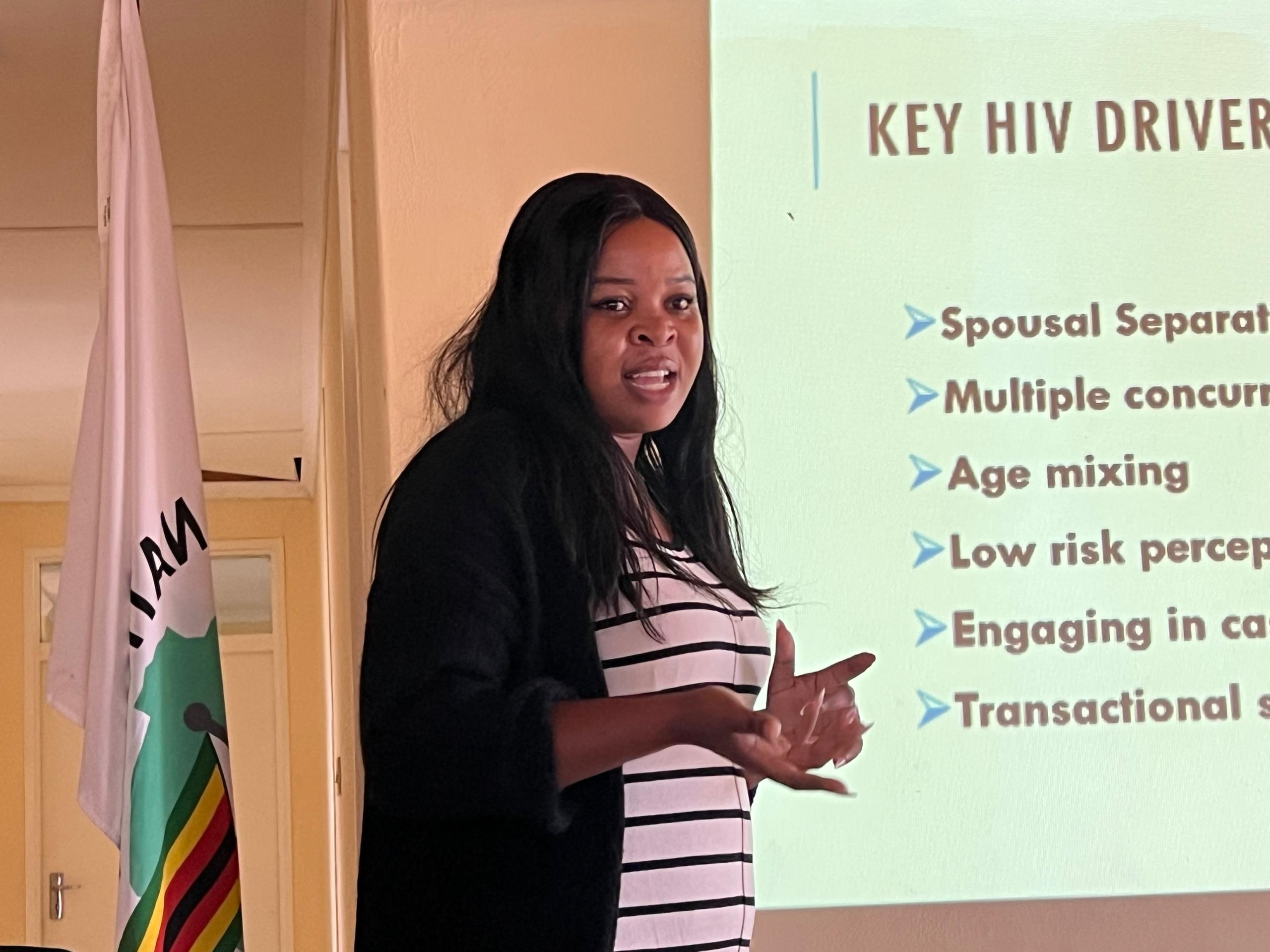
In neighbouring Mangwe District, NAC Programmes Coordinator Elenny Mpofu said the HIV prevalence stands at 16.8 percent, with the highest incidence rate in the province for the 15–49 age group.
She said poverty, transactional sex, intergenerational relationships, and child-headed families have worsened the situation. “Many young girls are vulnerable due to poverty and end up in child marriages or teenage pregnancies. Artisanal miners and informal traders moving through the district also engage in risky sexual behaviours,” she said.
NAC has intensified awareness campaigns targeting border communities, youths, and families separated by migration.
@DubeMatutu