Sukulwenkosi Dube-Matutu [email protected]
Districts have been urged to develop databases of Persons with Disabilities (PWDs) from village level to help inform programmes and interventions aimed at uplifting and empowering them.
Speaking during a two-day training programme in Gwanda organised by Leonard Cheshire Disability Zimbabwe (LCDZ), the organisation’s project officer, Mr Abednico Siambombe, said many PWDs at grassroots level are being left out due to a lack of identification and documentation.
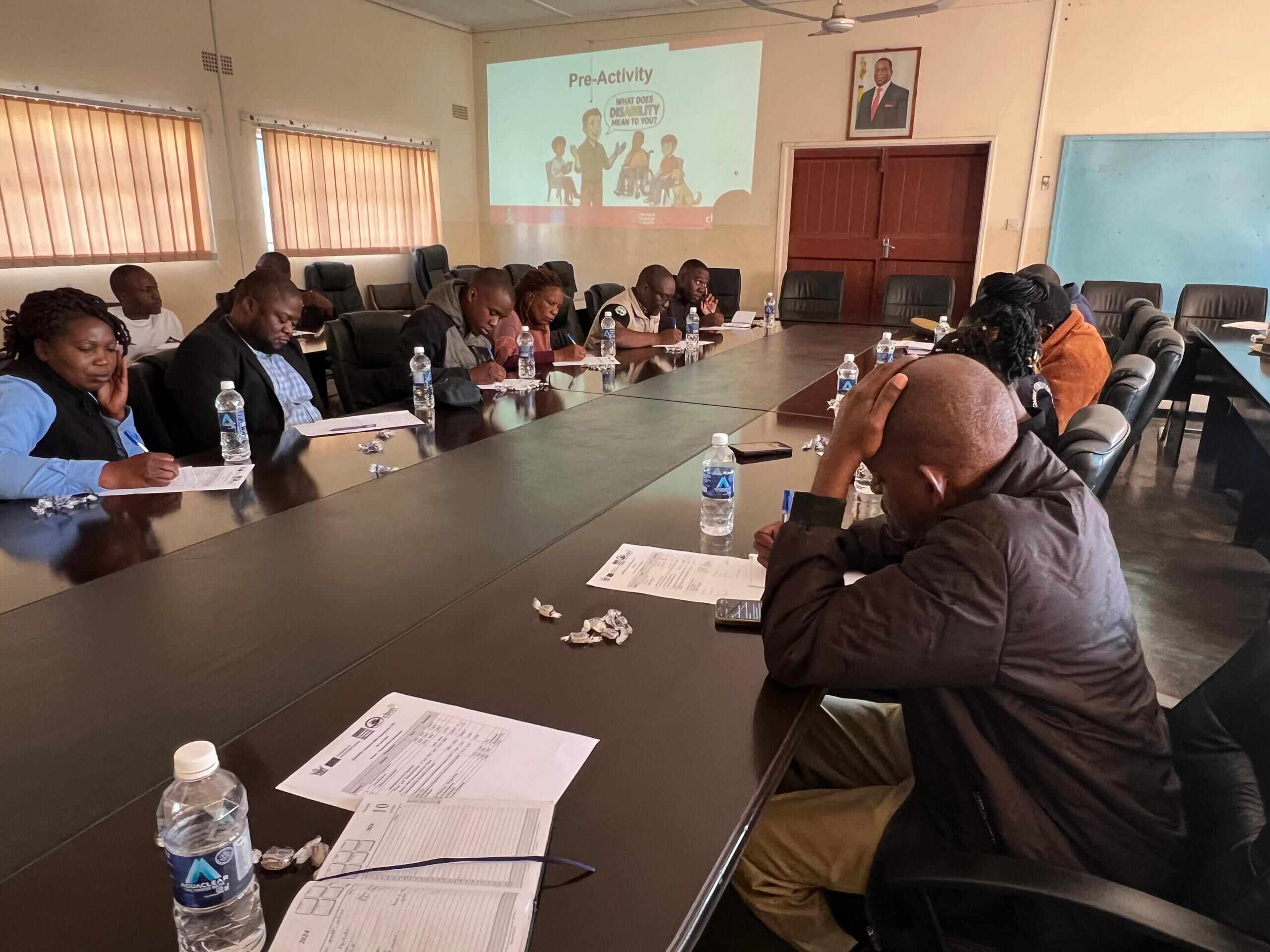
The training, which was held on Wednesday and Thursday, sought to equip stakeholders with knowledge on disability inclusion in Disaster Risk Reduction (DRR).
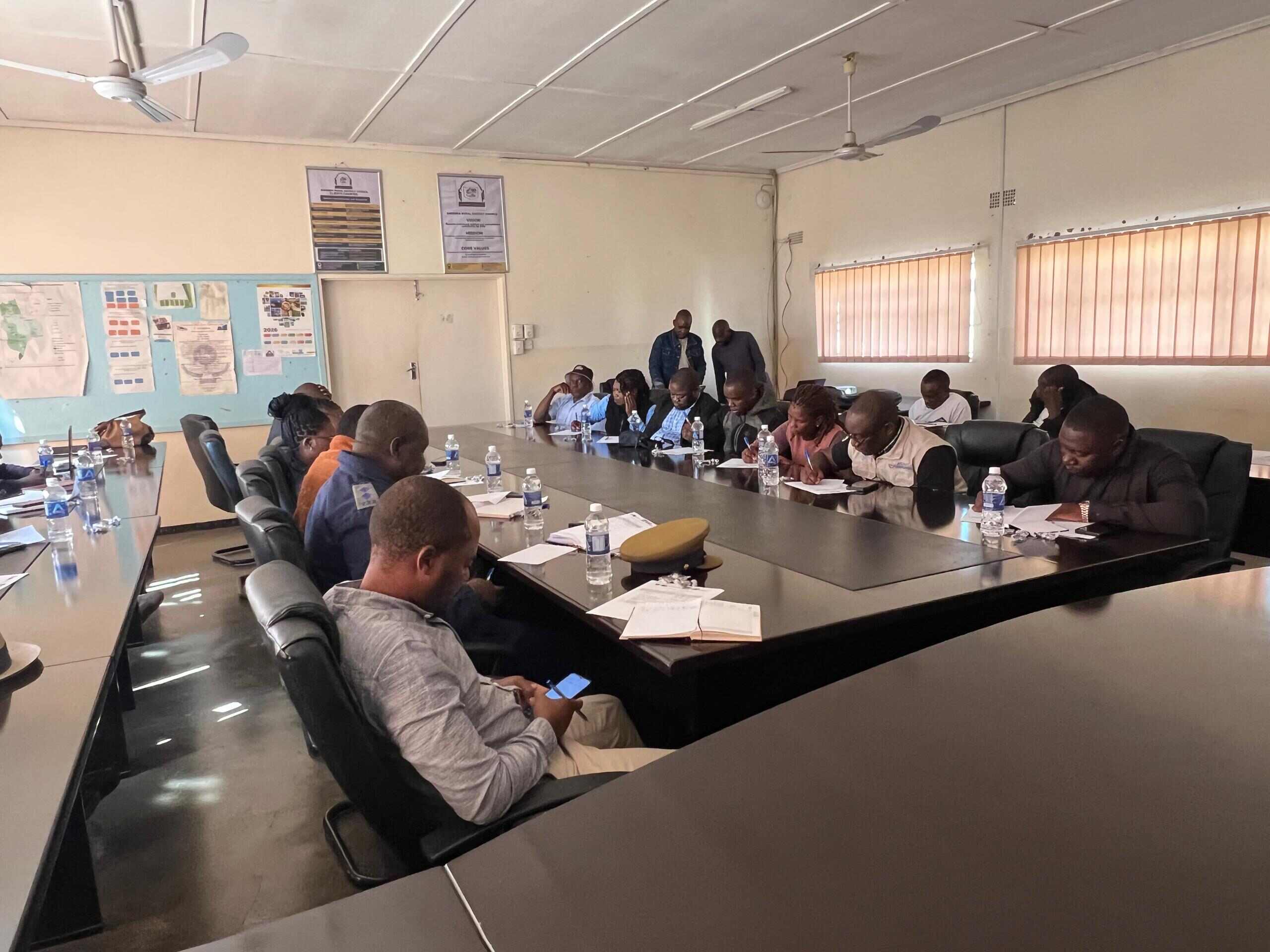
Mr Siambombe said the goal is to ensure disability issues are incorporated into disaster response mechanisms from grassroots level, noting that some PWDs are often overlooked in evacuation and response plans during disasters.
The training targeted members of the Gwanda District Civil Protection Committee, ward disability committees and ward disaster risk reduction committees. Community structures were also trained on indigenous knowledge systems and adapted early warning systems.
Mr Siambombe said more work needs to be done to consolidate and compile data on disabilities. He said ward disability committees need to be trained and equipped to identify, document and categorise PWDs.
He said a consolidated database would help authorities and service providers address the specific needs of individuals living with disabilities.
“We have a plan to engage ward disability committees across districts and train them on how they can identify persons with disabilities and how they can categorise them according to gender, age and sex. Once compiled this database will be shared with duty bearers and key strategic service providers.
“Having a consolidated database is crucial for planning and allocation of resources. Every intervention is needs based and if we don’t know how many PWDs we have in the district or ward level then we won’t know who needs what. If we know the type of disability each person has then we will know the exact needs that should be catered for,” he said.