Sikhulekelani Moyo [email protected]
AS foreign aid becomes increasingly unpredictable, African countries are accelerating efforts to mobilise domestic resources to finance development, with experts saying the continent must increasingly rely on its own revenues to fund infrastructure, healthcare, education and job creation for a population projected to reach 2,5 billion by 2050.
For decades, African economies have financed development through a combination of taxation, borrowing, foreign aid, foreign direct investment and other domestic financing mechanisms.
However, a sharp decline in Official Development Assistance (ODA) is forcing governments to rethink how they finance national development.
According to the Organisation for Economic Co-operation and Development (OECD), ODA fell by 23,1 percent in 2025 to US$174,3 billion, with Germany, the United States, the United Kingdom, Japan and France accounting for 95,7 percent of the decline. It marked the first time the world’s five largest aid donors simultaneously reduced development assistance.
The policy changes are already having far-reaching implications across Africa.
In the United States, reductions in USAID funding have affected health, education and other development programmes, while the United Kingdom has announced plans to reduce aid spending from 0,5 percent to 0,3 percent of Gross National Income by 2027 as it increases defence expenditure.
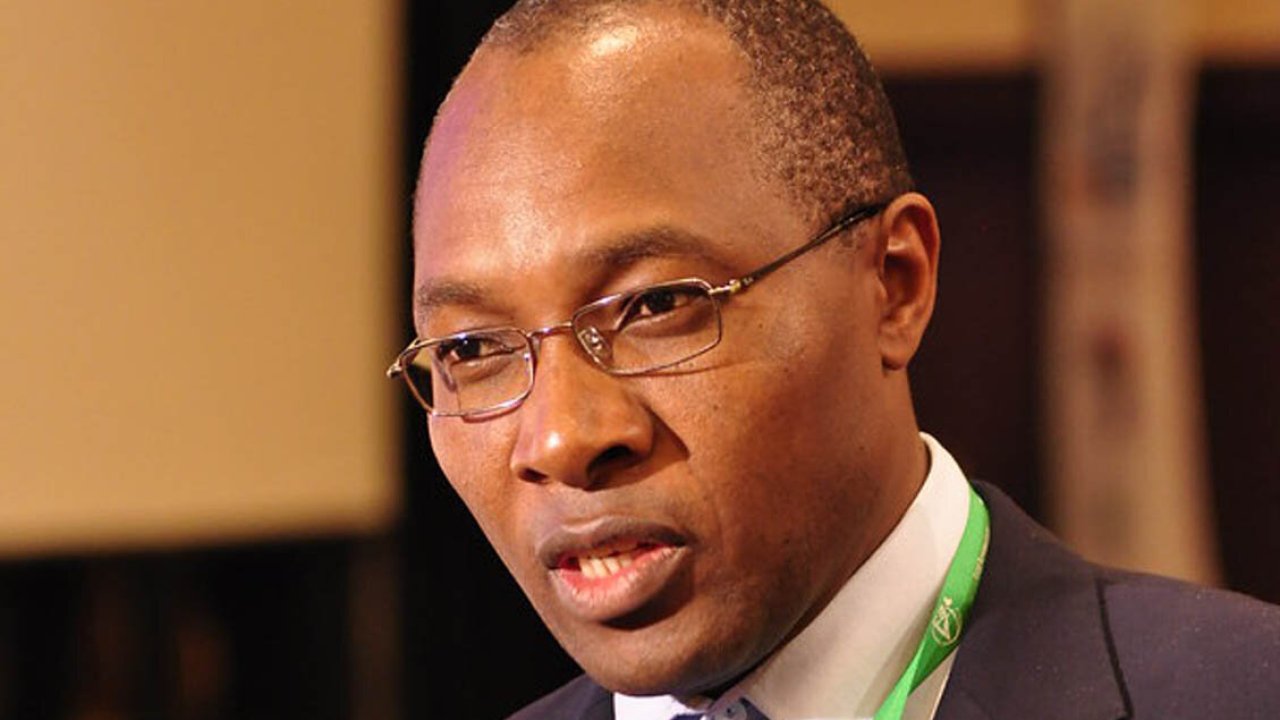
Speaking in the Economic Commission for Africa (ECA) Sustainable Africa Series, ECA Director of Macroeconomics, Finance and Governance Division, Mr Stephen Karingi, said African countries must take greater responsibility for financing their own development.
“First and foremost, it is the responsibility of each country to finance its own development,” he said.
Mr Karingi said African countries already possess numerous instruments for raising domestic resources, with the key challenge lying in using them more effectively.
He noted that Domestic Resource Mobilisation (DRM) extends beyond taxation and includes revenues from natural resources, domestic capital markets, pension and savings funds, public-private partnerships, diaspora financing and measures to curb illicit financial flows.
While taxation remains the most reliable and predictable source of government revenue, expanding the tax base remains difficult because an estimated 80 percent of Africa’s workforce operates within the informal economy.
Mr Karingi said advances in digital technology were helping governments improve tax administration and accountability.
“Artificial intelligence, big data and digital tools are strengthening tax administration while making public institutions more transparent and accountable,” he said.
He cited Egypt’s digitalisation programme, which has improved revenue collection, and Rwanda’s transparent procurement systems, which have reduced financial leakages.
Mr Karingi also said Africa could unlock billions of dollars by tackling illicit financial flows.
The ECA, he said, is assisting member states to identify and quantify such losses while supporting African negotiators participating in discussions on the proposed United Nations Convention on International Tax Cooperation.
“Financing Africa’s development is a shared responsibility. Citizens have a duty to contribute through taxes, governments have a duty to use public resources responsibly, and both must be prepared to hold each other accountable,” he said.
Public confidence in government spending also emerged as a key issue.
Citizens interviewed for the ECA’s Sustainable Africa Series in Cameroon, the Central African Republic, Kenya, Nigeria, Rwanda, Uganda and Zimbabwe indicated they were willing to pay taxes provided governments demonstrated transparency and accountability.
“It’s our responsibility to pay taxes if we want development in our country. But if I keep paying taxes and nothing is being done with the money, at some point I’ll feel like withdrawing from paying taxes,” said Cameroon-based cake vendor Danny Zara.
For Mr Ouassere Divin of the Central African Republic, domestic resource mobilisation is closely linked to national sovereignty.
“Paying taxes ensures greater autonomy. That’s how we are better able to decide our own priorities. Foreign partners should only provide support. After all, even what they give us has to be repaid in one way or another,” he said.
As Africa confronts declining external assistance, experts say the continent’s long-term development prospects will increasingly depend on how effectively governments mobilise domestic resources, strengthen public institutions, curb financial leakages and build public trust through transparent and accountable governance.
The consensus emerging from the ECA is that Africa already possesses many of the tools required to finance its own development. The challenge now lies in putting them to effective use.