

 admin
admin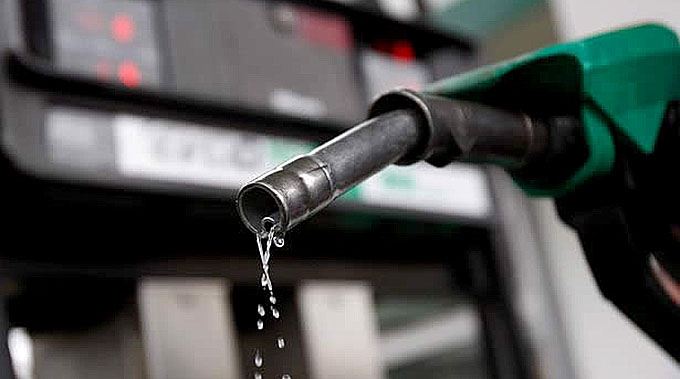
Several African countries will in July be grappling with increased fuel prices as governments impose more taxes and drop subsidies, moves which, players in the industry argue, present both risks and benefits for the continent’s development.
As Kenya doubles the value-added tax on petroleum products to 16 percent from July 1, Tanzania is introducing excise duty of Tsh80 ($0,033) per litre and increasing the fuel levy by Tsh100 (US$0,042). These are expected to significantly increase fuel prices in the two countries. In Nigeria, petroleum prices have nearly doubled as citizens went into panic-buying after the new administration announced plans to scrap the fuel subsidy that has kept prices below half the real cost since the 1970s. Coming against the backdrop of international oil market disruptions, experts argue these changes will not only exacerbate the high cost of living that Africans are already struggling with but will also impact the economies wholesomely.
Some players in the energy sector say the increased fuel prices will suppress demand for the products, shrink revenues and force them to lay off some of their staff.
The impact won’t stop in the oil sector, they warn.
“If demand reduces, the entire private sector will have to take measures to reduce their overhead costs, including reducing their workforce,” a senior executive in a regional energy company, who asked not to be named because his firm is still lobbying the government, told The EastAfrican. According to him, the rise in fuel prices will curtail expenditure on most commodities, reducing the government’s revenue collection from value-added tax and eventually slow the entire economy.
“It’s a zero-sum game. If revenue is not met, government will take austerity measures, and if the state doesn’t spend as it should, it will depress the entire economy,” he said.
In Kenya and Tanzania, the new taxes come after the respective governments dropped fuel subsidies due to persistent calls by multilateral financial institutions, including the International Monetary Fund and the World Bank. – The East African


 leeroy
 Online Reporter