admin
admin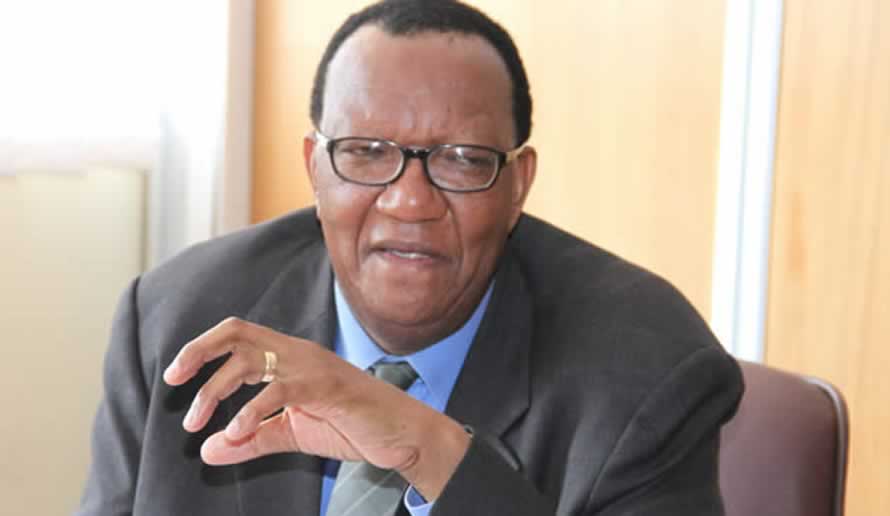
Dr Joseph Made
For many years, the livestock sector has struggled due to a number of factors, among them the impact of drought on areas where cattle are the mainstay. Veldfires also destroyed natural pastures and other problems dogged livestock husbandry and breeding stock supply. At the end of the day, it is critical to have constant domestic and international markets. The international market was mainly the Europe Union, which wants us to supply 9 000 metric tonnes of beef yearly. China and Russia will also be big players in Zimbabwe’s beef industry.
That the EU has indicated interest in our beef means the technical detail of, say, foot and mouth, traceability (tagging animals to show their origins) and overall disease control will also be handled by the bloc. It means the relationship with the EU or any other market must also relate to livestock development that takes into account proper husbandry.That is the first line of defence.
Animals must be in good condition for them not to succumb to disease. Further, disease surveillance and control come in as major factors.Zimbabwe is sub-tropical in its husbandry, therefore we must control ticks to ultimately control tick-borne diseases.
Tick-borne diseases are almost at par with foot and mouth and anthrax, if not the number one challenge to livestock in the sub-tropical environment that is Zimbabwe.
In this connection, we must know the genesis of anthrax.It was introduced, in the main, during the liberation war by Ian Smith’s regime so that there would be pockets of outbreaks from time to time. Regardless of such challenges, Zimbabwe can produce enough for both domestic and international markets.
The country must maintain its three zones: The Clear/White Zone; Green/Buffer Zone and Red Zone. The Red Zone is where foot and mouth inherently occurs. Infrastructure to maintain it (separate) does not come cheap, though. It’s fairly expensive as we are talking of fences; grids and paddocks plus other general infrastructure. A lot of discipline will also be required for our livestock sector to succeed. Among the challenges this sector faces are stock theft and fence-cutting.
I want to commend the ZRP for their stern enforcement of rules and regulations as they regard stock theft. Stock theft has contributed in inhibiting the sector’s growth. It is not only meat we are talking about here, but also many by-products like the hide for the leather industry; blood and bone meal for various fields and tallow, which is used in soap manufacturing.
The chain value of livestock cannot be overemphasised. It even relates to development of supplementary feeds. Whatever happens in the livestock sector has a multiplier effect in terms of the broader issues contained in the 10-Point Economic Growth Plan. It relates to employment-creation and the enterprise itself.
Zimbabwe can breed three times the current herd, according to our long-term assessment. Anything that helps resuscitate the sector is important. In addition, we are going to expand the dairy sector in a very big way. We will allow players to continue importing breeding stock from South Africa, but be very stringent in terms of this stock as we want top breeding animals.
It does not matter whether it is a Jersey, Gants or Friesland – all we want is to revive the dairy sector. Indigenous breeds from Southern Africa and exotic ones will be side by side. Animal-based milk products are going to be critical because of their nutrition value, particularly for young people and adults. Milk and its by-products are important in the chain of food security.
Another category is that of products that relate to the poultry sector i.e the meat itself and the eggs. I want the entrepreneur to take note: We cannot continue to import poultry meat products. The entrepreneur must move on with full knowledge that we are going to protect that sector in order to grow it.
In some areas, deboned meat has been used to make sausages; this is a poultry product. I also want to forewarn the public that we cannot import under the guise that there is no deboning machinery in the country. I cannot force the investor to invest in a deboning machine.
However, I am simply saying to importers that the window is fast closing. Those interesting in seizing the opportunity must survey and consider reintroduction of a deboning plant. That includes the Cold Storage Commission; it should also examine this.
It is in the line of basic raw material beneficiation and such are the opportunities that exist, so the entrepreneur should seize this opportunity.
Once you talk of growing the livestock industry, basically and fundamentally, you are talking stockfeeds, manufacturing and the veterinary side (both Government and private).
We are talking animal husbandry and extension officers who work with farmers in the pastures.It also relates to water reticulation in the pastures. It is a comprehensive industry and many players will participate. The whole country is virtually involved in livestock.
It is just that the predominant activity in Matabeleland; the Midlands; Masvingo and Manicaland is livestock production so there is a misconception that livestock in only important to these regions. Government will open a way for livestock entrepreneurs. Further, whenever there is a drought and the water levels go down, the tendency is breeding space becomes low. So, we want concerted efforts here.
Fishery is a good activity in the livestock industry. Another area is poultry. Some people are also majoring in indigenous foods, for instance, grain; wild fruit and other products have become popular in many restaurants across the country.
I would like to see concerted efforts on indigenous poultry and the fishery side where we also have local material. The major player in all this is really the extension worker, cutting across engineering; cropping and technical knowledge. This also includes companies that extend knowledge.
The best way to do it is exhausting our indigenous resources before granting import authorisation. We are saying to supermarket owners, Please, go and look for indigenous products before you look outside the country for produce. Packaging is the investment shop-owners must put in and the major player in this regard is the Industry and Commerce Ministry and various marketing departments.
Entrepreneurs in this industry must play their part while the farmer must work in terms of disease control and crop husbandry. Also, we must not contaminate our environment as it is critical for the product. The world market is now conscious of organically-produced material.
Dr Joseph Made is the Minister of Agriculture, Mechanisation and Irrigation Development and wrote this article for The Sunday Mail



 Online Reporter