Online Reporter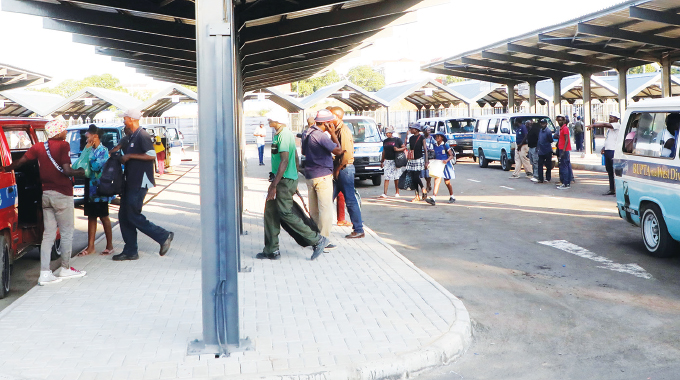
Nqobile Bhebhe, Senior Zimpapers Writer
THE long-stalled Egodini Mall and Transport Hub redevelopment project has taken a dramatic turn with South Africa-based contractor Terracotta Trading (Pvt) Ltd proposing to slash its investment from US$60 million to just US$10,5 million, a move that has sparked alarm within the City of Bulawayo Council.
Egodini was closed in 2016 to pave way for what was billed to be a state-of-the-art shopping complex and integrated bus terminus.
Nearly a decade later, however, only Phase One, a basic taxi rank serving western suburbs has been delivered.
The rest of the project, especially the mall component, remains in limbo, drawing sharp criticism from residents, civic groups, and informal traders who blame the delays for exacerbating congestion and disorder in the city centre.

Now, in a stunning revelation contained in the latest City Council agenda from the Environmental Management and Engineering Services Committee, Terracotta has reportedly requested a radical reduction in the scope and cost of the development.
“In an earlier meeting, the developer, Terracotta, had alluded to the desire to change the project investment from US$60 million to US$10,5 million in the redevelopment project,” reads the official report.
However, city officials have firmly pushed back, warning that such a significant change would trigger a legal requirement to re-advertise the project under public procurement regulations.
“The city’s technical team advised the developer that such a variation could only be possible with a change in the scope of the project, which would entail re-advertising the entire project on the changed scope,” read the report.
Terracotta was originally awarded the contract with a submitted bid of US$59 599 480,48, significantly higher than the next two bidders, one of whom proposed US$30 million and another just US$3 million.
“Additionally, the developer was reminded that the bid price they submitted during the tender stage forms part of the contract,” reads the report.

As pressure mounts on the developer to deliver, council has now extended the six-month notice of contract termination, initially set to expire in mid-June, to September 12, 2025, allowing more time for dialogue.
“The request by the developer for the relaxation of the cancellation notice was discussed, and the meeting resolved that the notice be extended by a further three months.
“If the developer insists on reducing the scope, it would make it imperative to terminate the contract in line with the requirements of the Procurement Act,” reads the report.
In a last-ditch effort to salvage the deal, Terracotta recently approached council to withdraw the cancellation notice, revealing it had partnered with a local firm, Better Brands Construction.
The two entities have since signed a Memorandum of Understanding to facilitate project completion.
“The developer responded to the cancellation notice in a letter dated February 25, 2025, advising that they had entered into a Memorandum of Understanding with Better Brands Construction and requesting that council withdraws the cancellation notice,” reads a recent council report.
However, city officials have demanded that Terracotta submit a comprehensive implementation plan, including detailed design drawings, estimated costs, and a performance bond from a reputable local bank.
Added to that, the technical team insisted that priority be given to the construction of anchor shops, food outlets, supermarket, and bus rank to attract businesses and boost commuter traffic.
Chamber Secretary, Mrs Sikhangele Zhou, raised serious concerns over the proposed budget cut, warning that the new figure would compromise the quality and vision of the original project.
“There was doubt that the same quality and standard envisaged could be produced. On compensation in the event of cancellation, this could not go beyond the US$3 million they claim to have invested so far,” she said.
Town Clerk Mr Christopher Dube echoed the same sentiments, describing the drastic change as an implicit admission of failure by the contractor.
“In a way, if a variation were to be made, the contractor was acknowledging that he had failed to meet expectations of the original contract, and such a huge variation could not be allowed,” he said.
Once deemed as a transformative project for the city, the Egodini redevelopment now teeters on the brink hamstrung by financial constraints, shifting goalposts and diminishing public confidence.