Chronicle Editor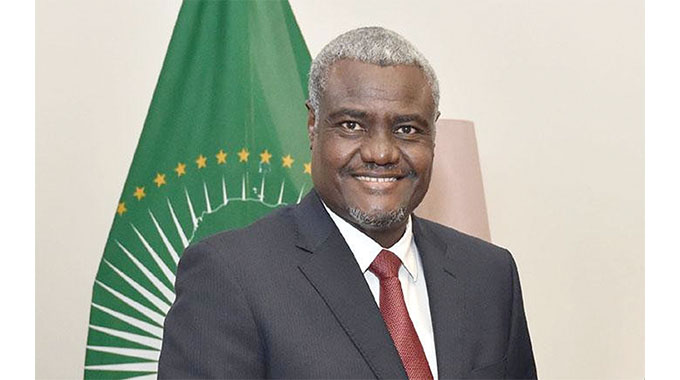
My dear fellow citizens of Africa and the Diaspora, today we are celebrating the birth of the Organisation of African Unity (OAU), in memory of this historic day of May 25, 1963 when 20 African Heads of State created, with enthusiasm in Addis Ababa, this Continental Organisation. The latter had set itself the ambition of the total independence of Africa on the political and economic level and the achievement of its unity.
Fifty-eight years later, the African Union, which took over from the OAU, pursues this ambition with varying degrees of success. It does this concretely on the ground, but it also does it on the basis of principles. These principles are those of the African renaissance, the spirit of Pan-Africanism, cultural identity and shared values, dear to the founding fathers and defined in the Constitutive Act of the AU, Agenda 2063 of the AU and other continental instruments.
These principles and values have an important role to play in building the Africa we want.
Indeed, the African Union has ordered African States to seek in their cultural references and their ancestral values the basis of their development, while inscribing themselves in the evolution of the world.
Long anesthetised by the effects of colonisation, Africans must draw the keys to their development from the depths of their cultural and artistic heritage.
This is the message that the AU would like to convey through the theme of the year 2021 devoted to Arts, culture and heritage as levers to build the Africa we want.
Dear fellow citizens, ladies and gentlemen, we wanted to symbolically combine the theme of the year with Africa Day to launch the entry into force of the Charter for African Cultural Renaissance adopted since 2006 in Khartoum, Sudan.
One of the objectives of this Charter is to strengthen the role of culture in the promotion of peace and good governance. The African Union is aware of the role that the arts, audiovisual and cinematographic expressions as well as other creative industries play in the process of African integration as a factor of peace, of understanding and prevention of conflicts as well as of growth.
Despite the cultural domination which, during the slave trade and the colonial era, led to the depersonalisation of part of the African peoples, falsified their history, systematically denigrated and opposed African values, and tried to gradually and officially replace their languages with that of the coloniser, the African peoples were able to find in African culture the strength necessary for resistance and the liberation of the Continent.
The African Union believes that the unity of Africa is based first and foremost on its history. The history of Africa, which is part of our cultural identity, is imperative for the development of the Continent.
It is also a vehicle for the formation of the African personality and the affirmation of African peoples in the world. Africa can only assert itself in multilateralism and partnerships with the rest of the world by affirming, without complex, or overshadowing its being, its personality and its identity on a basis of total equality with others.
Ladies and Gentlemen, Africa has long overlooked the role of culture in the promotion and formation of Nations. I intend, during this mandate, to correct this tendency by taking an interest, more than I have done in the past, in African culture and thought. I indicated that I will appeal to academics and sociologists from all cultural spaces to make their contribution to building a solid and achievable African consensus.
The various reflections related to the theme of the year, which eminent African personalities will lead today to mark this Africa Day, fit well into this dynamic. I would like to express my gratitude to them and assure them that their intellectual contributions will not fail to quench our thirst for Africa’s cultural renaissance.
I wish all Africans, from the Continent as well as those in the Diaspora, happy birthday.
God bless Africa.
l Moussa Faki Mahamat is the President of the Commission of the African Union. He issued this statement on the occasion of Africa Day yesterday and the entry into force of the Charter of African Cultural Renaissance.



 Online Reporter