


 malvernmugadzikwa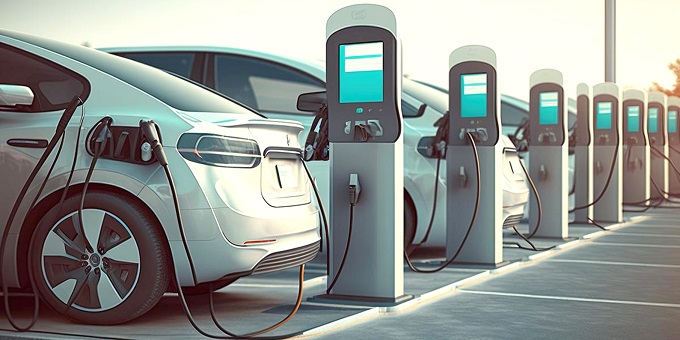
FOR those of you who have electric vehicles (EVs), it is essential to know how to handle them during bad weather.
Both electric cars and fuel-powered vehicles run on electricity.
Auto engineers from both types have made these vehicles safe to drive in all weather conditions.
Electric cars can be driven and charged in the rain or snow.
However, like traditional cars, they should not be used when roads are flooded.
It is believed electric cars cannot be charged or driven in the rain, but this myth is false.
Drivers can use their vehicles in the spring and rainy seasons.
Are EVs safe to drive during heavy rain?
Driving an electric car in heavy rain is perfectly safe.
Electric cars can be charged and driven in both rain and snow. However, they are not designed to drive in completely flooded areas.
To prevent injury to the driver or passengers, all major components of the EV are securely and safely stored away.
In addition, most EVs have special systems that protect the battery from water damage.
As a result, driving an EV in heavy rain is no more dangerous than driving a conventional car.
However, it is always important to drive carefully in wet conditions and to avoid driving through deep puddles or standing water.
Driving electric vehicles during rain and flooding
A survey conducted in 2019 found that 12 percent believed an electric car could not be driven in rain.
As EVs become more mainstream, we expect this figure to drop significantly as driving such vehicles during rain is possible.
Of course, you would not open your windows or sunroof in a traditional car, so do not do this in an EV.
Rainwater can cause damage to interior fixtures, fittings, switches and dials.
Additionally, EVs usually have a lower centre of gravity compared to fuel-powered cars, which makes them less likely to tip over in heavy weather conditions.
However, EVs can pose a risk in flood conditions, as water can damage the battery and electrical system.
According to experts, 300mm of water is sufficient to lift your car.
In general, EVs are safe to drive in most conditions, but it is always important to use common sense and be aware of potential risks.
How waterproof are EV batteries and high-voltage components?
All components of an EV must adhere to an internal protection (IP) rating system.
The IP rating system is found on nearly every electronic device and appliance that we use.
IP65 is the most common IP.
It means the battery is completely protected against dust and water.
IP65 indicates that the item has been completely sealed to prevent dust from entering and is protected against low-pressure water jets coming from any direction.
The IP66 rating is given to EV components located in high-voltage sections of motor batteries and speed controllers.
The IP68 rating is the highest, and the system is protected against strong water jets.
If you live in wet areas, this is the rating that you should be looking for.
Can electric cars charge in the rain?
Charge your electric car in the rain without worry — your vehicle can handle it.
The only time you should not charge your car in the rain is during a natural disaster, like a hurricane or flood, when you should be heeding public safety warnings and taking cover indoors.
Safety standards must be met regarding charging stations and installation.
Your vehicle should be able to charge safely using a fast or road charging source. — Ecoplex



 Online Reporter