
Lovemore Chikova
Development Dialogue
A blood sample collected at a hospital in Marondera could soon reach a diagnostic laboratory in Harare in a fraction of the time required by conventional road transport.
On the other hand, essential medicines could travel in the opposite direction without being held up by traffic, road conditions or other logistical challenges.
This is the prospect emerging from a healthcare drone delivery trial conducted by Drone Solutions (Pvt) Ltd and HealthPoint on Wednesday, which is exploring how aerial technology can improve the movement of medical supplies and diagnostic samples between healthcare facilities.
A Kite Aero drone departed HealthPoint Hospital on Lanark Road in Belgravia, Harare, carrying medical drugs to HealthPoint’s Borradaile Hospital in Marondera, covering 76 kilometres.
On its return, the aircraft transported a blood sample to HealthPoint’s Upper East Road Diagnostics Laboratories in Harare, covering another 74 kilometres.
The two-way journey covered approximately 150 kilometres in about 70 minutes, following a flight route approved by the Civil Aviation Authority of Zimbabwe.
If subsequent assessments demonstrate that the technology is safe, affordable and operationally sustainable, the answer could have significant implications for how hospitals, clinics and diagnostic laboratories across the country coordinate their services.
The innovation also presents an opportunity for Zimbabwe to translate its ambitions in science, technology and industrial development into practical solutions that address everyday public service challenges.
Rural healthcare among biggest beneficiaries

While the initial trial connects two facilities in Harare and Marondera, the technology’s wider significance lies in its potential application to areas where geographical distance presents a greater challenge.
Zimbabwe’s rural development agenda places considerable importance on improving access to essential services, while modernising rural communities and strengthening their economic participation.
Healthcare is central to that objective.
People living in remote communities should not have to experience avoidable disadvantages simply because their nearest facility lacks a particular medicine, diagnostic service or specialised medical resource.
In some circumstances, a strategically planned drone delivery network could help connect rural clinics with district hospitals, provincial hospitals, medical warehouses and specialised laboratories.
A rural facility might, for instance, use such a service to request a small consignment of urgently needed medical products from a designated distribution centre.
Alternatively, it could dispatch eligible diagnostic samples to a laboratory serving several districts.
The underlying concept is relevant to Zimbabwe’s efforts to make healthcare more accessible.
A drone does not necessarily have to transport a patient to improve access to healthcare.
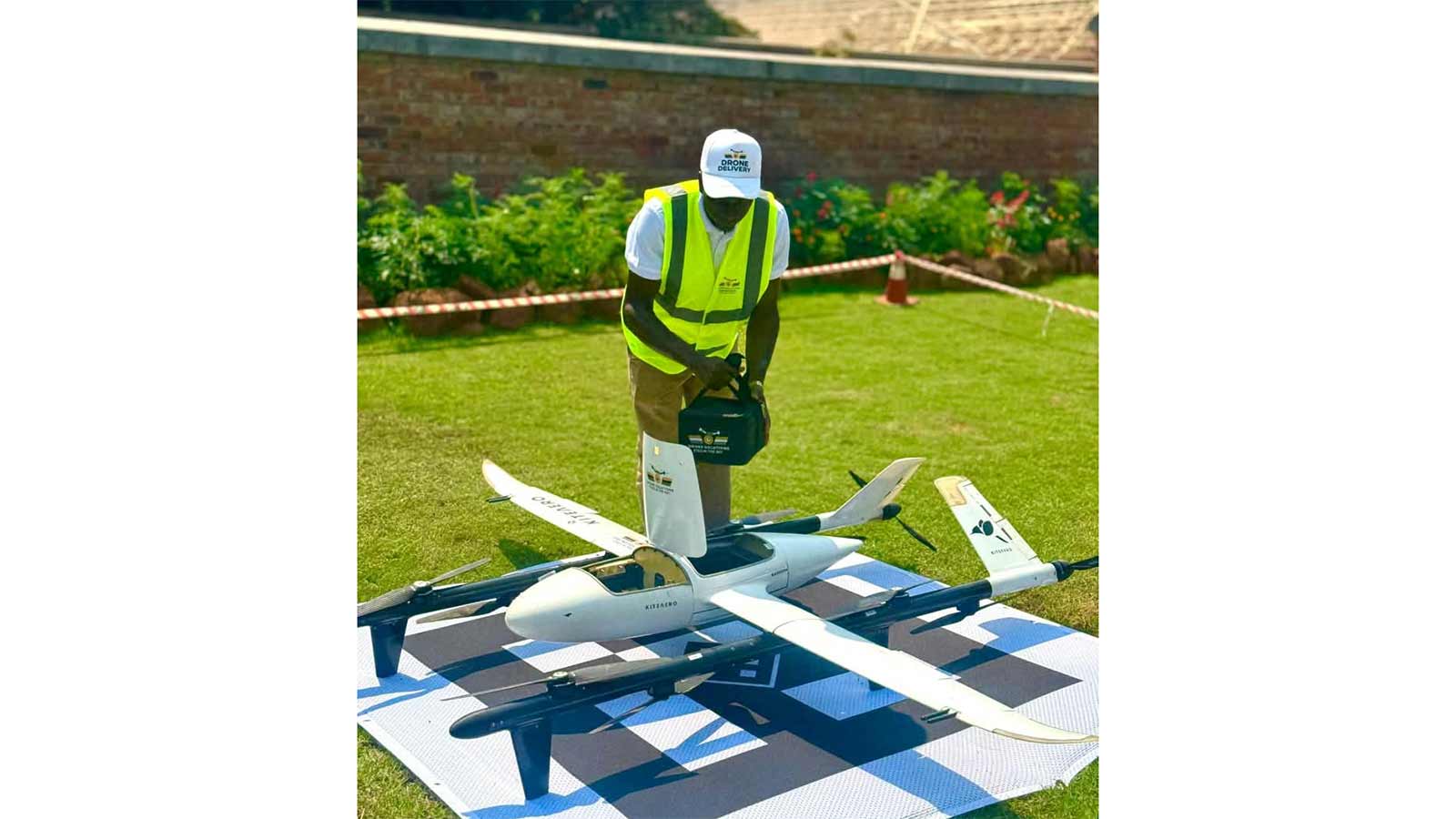
In some cases, bringing a medicine or diagnostic sample to the appropriate destination may be the more practical intervention.
This distinction is important because the technology’s potential contribution extends beyond emergency medicine to routine health services.
When distance becomes a healthcare challenge
The effectiveness of a healthcare system depends not only on the availability of doctors, nurses, medicines and diagnostic equipment, but also on whether these resources reach the right places when they are needed.
A hospital may have qualified medical personnel and the capacity to treat patients, yet its ability to provide timely care can be compromised when essential medicines are unavailable, diagnostic samples take too long to reach laboratories or supplies must be transported over difficult routes.
These challenges are particularly relevant in a country such as Zimbabwe, where healthcare facilities serve communities spread across urban centres, small towns, growth points and remote rural settlements.
Conventional road transport remains indispensable to healthcare delivery, but journeys can be affected by traffic congestion, road conditions, vehicle availability and the distance between facilities.
For a diagnostic sample, unnecessary delays in transportation can extend the time between collection and laboratory analysis.
Depending on the type of test, a sample’s handling and transportation conditions can also influence its suitability for testing.
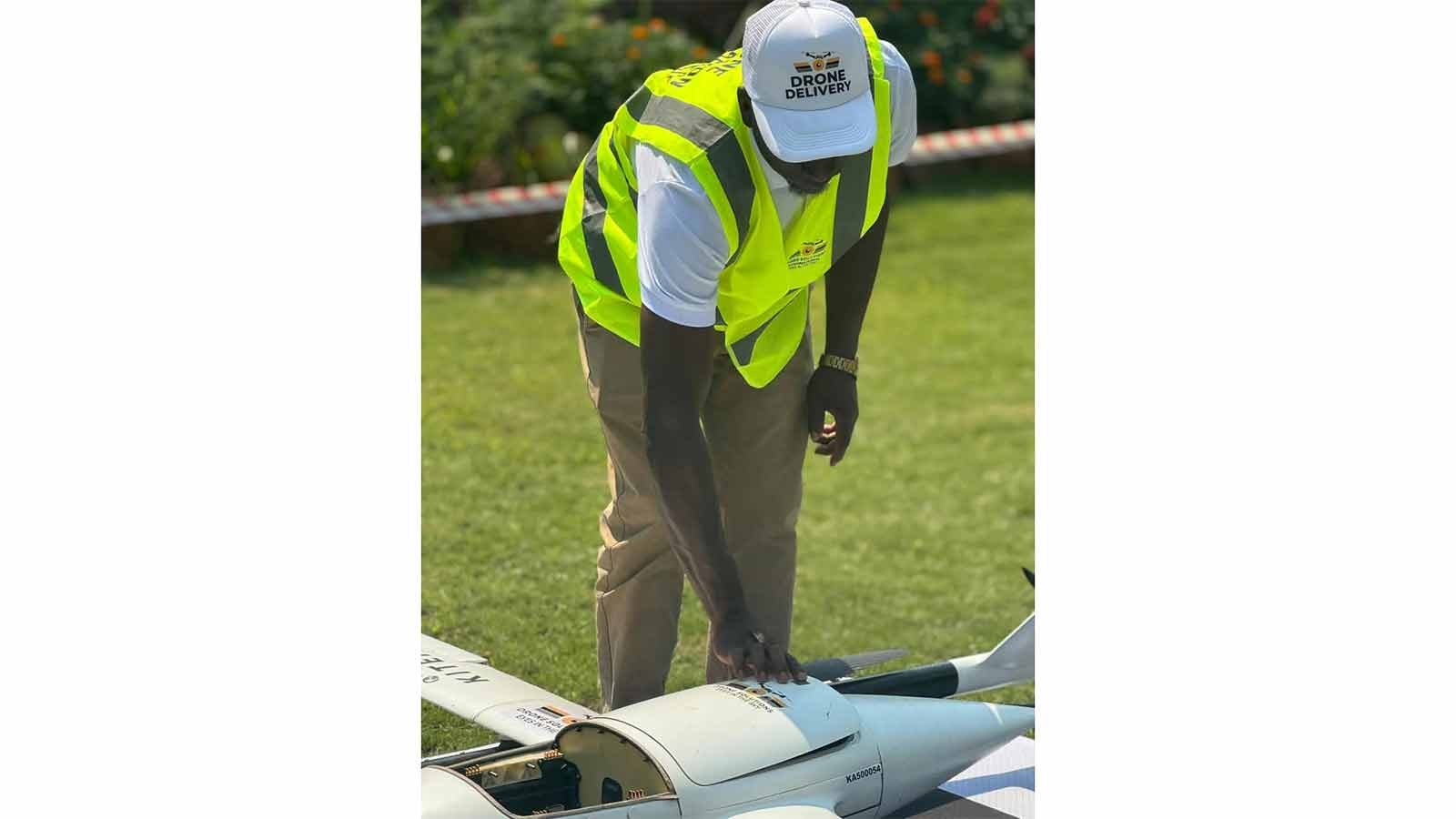
Similarly, delays in delivering essential medicines and medical products can complicate the work of healthcare providers trying to maintain adequate stocks and respond to patients’ needs.
Drone-enabled transport offers a different approach by using the airspace between facilities to move selected items.
The technology does not eliminate the need for roads, ambulances or conventional delivery vehicles, rather, it introduces another transport option that healthcare providers could deploy when it offers a practical advantage.
HealthPoint’s chief executive officer, Mr Peter Annesley, emphasised the importance of ensuring that medical products reach their intended recipients promptly.
“Within the HealthPoint ecosystem, we need medical products to reach their recipients at the earliest possible opportunity,” he said.
“We are ultimately about saving lives, and timely access to essential medical products is an important part of that commitment.”
For Zimbabwe, where healthcare delivery requires coordination between facilities with different levels of diagnostic and treatment capacity, improving the movement of medical products and samples could strengthen the connections between hospitals and laboratories.
A two-way system, not simply a flying delivery vehicle
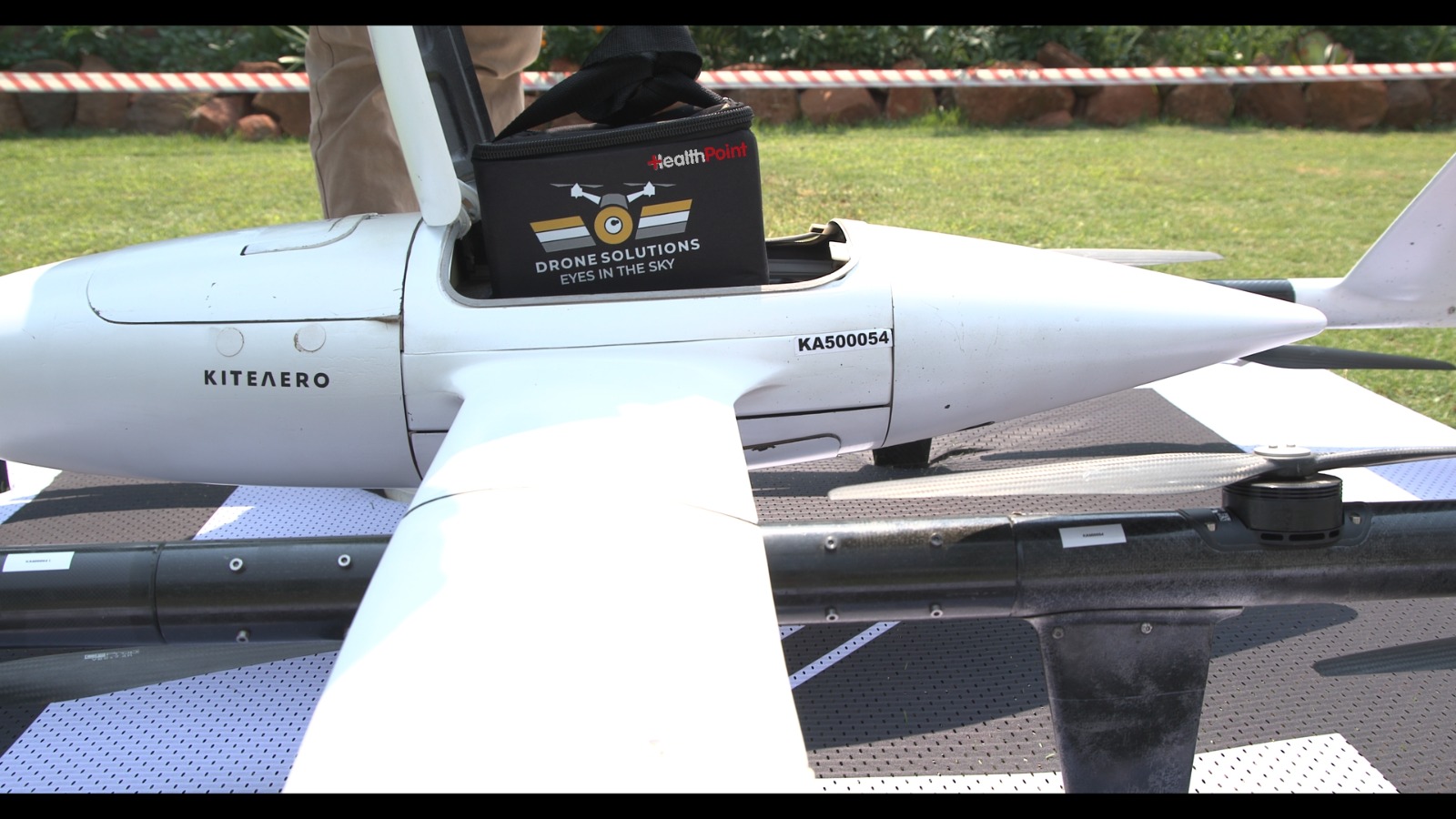
One of the most important aspects of the Harare-Marondera trial is that it demonstrates the potential for two-way healthcare logistics.
The fact that the drone carried medicines from Harare to Marondera before returning with a blood sample for laboratory evaluation in the capital points towards a model in which a single transport system can support different stages of healthcare delivery.
In one direction, medicines and other essential medical products could be moved from a distribution point to a healthcare facility.
In the opposite direction, diagnostic samples could be transported to a laboratory with the equipment and expertise required to analyse them.
The potential benefit lies in connecting facilities according to their respective capabilities.
For example, a healthcare facility that does not have the capacity to conduct a particular laboratory test could potentially collect and prepare a suitable sample before arranging its transport to a specialised laboratory.
The laboratory could then undertake the required analysis, with the results communicated to the referring healthcare provider through appropriate clinical information systems.
Such an arrangement could help facilities share diagnostic capacity rather than requiring every institution to maintain the same range of specialised equipment.
Mr Annesley said the partnership was allowing HealthPoint to explore alternatives to conventional delivery arrangements.
Working with Drone Solutions, he added, could help address geographical and logistical barriers, while supporting more responsive distribution of medical products to facilities and people who need them.
The broader lesson is that healthcare innovation increasingly involves connecting existing resources more efficiently, rather than relying exclusively on constructing new facilities or purchasing additional equipment.
If properly implemented, aerial logistics could help healthcare providers make better use of the diagnostic and medical capabilities they already possess.
The technology behind the trial
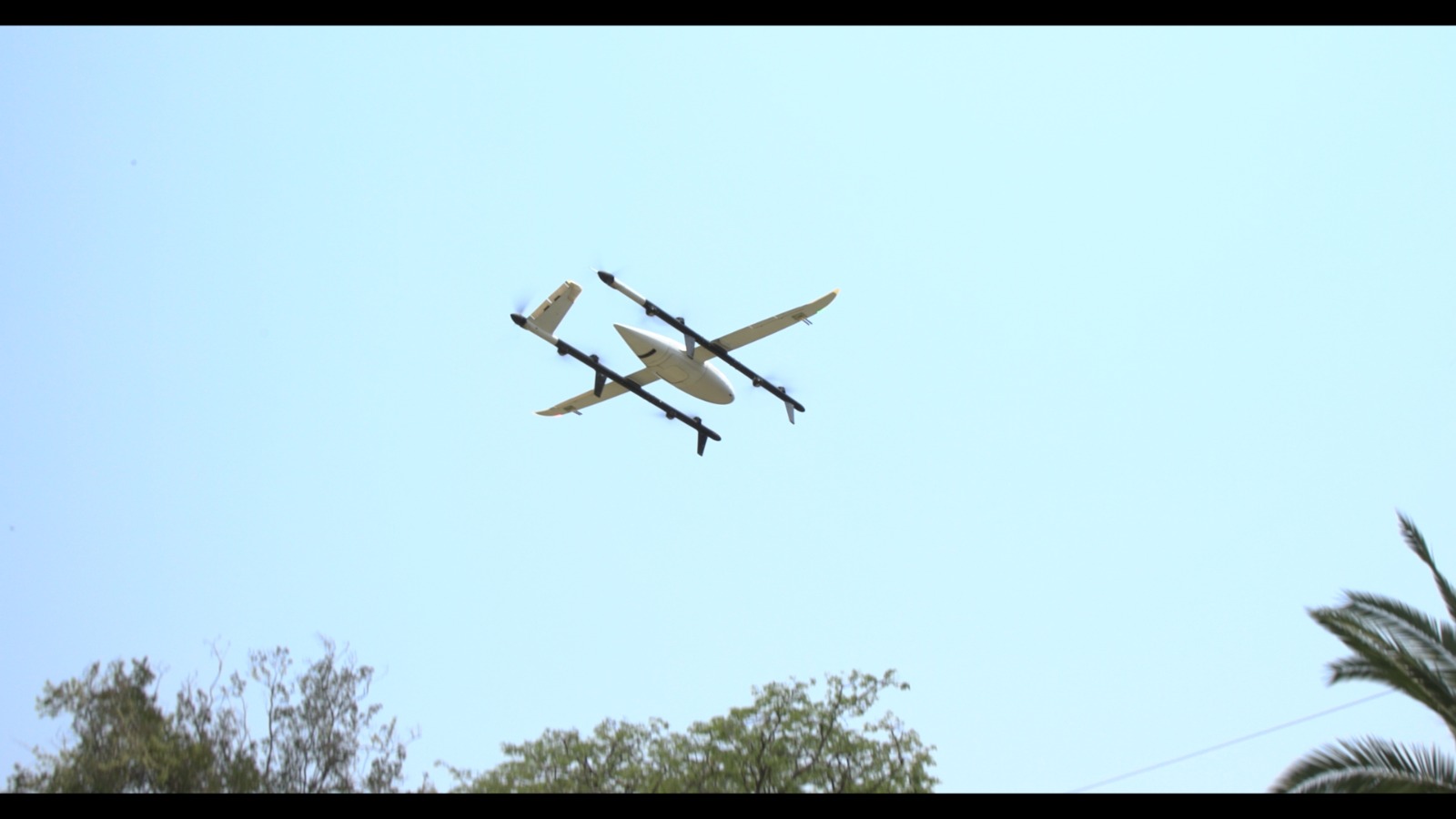
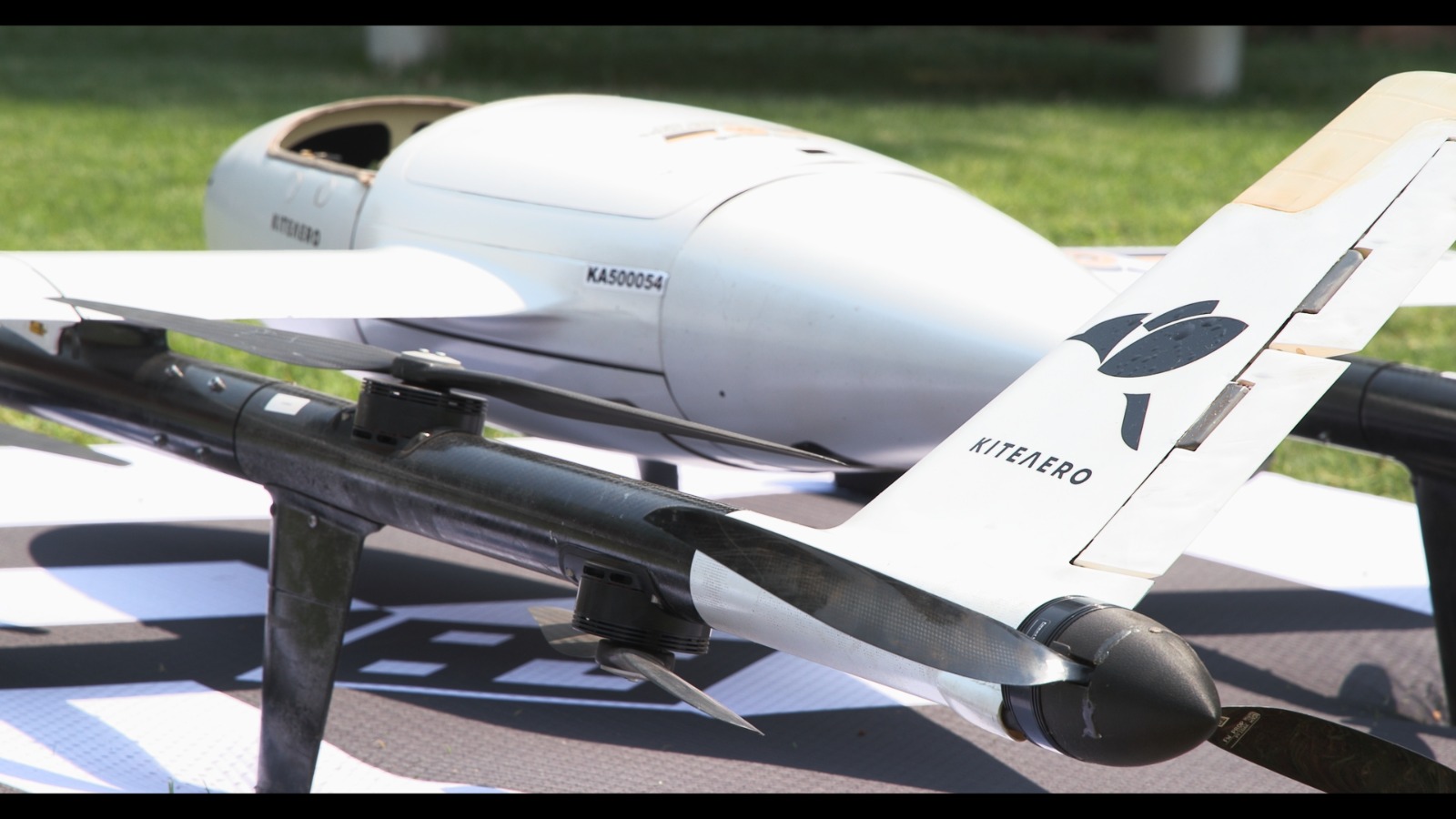
The aircraft used in the demonstration, the Kite Aero, has a cargo capacity of up to four kilogrammes, a cruising speed of 120 kilometres per hour and a maximum speed of 200 kilometres per hour.
Its reported maximum flight range is up to 277 kilometres under specified operating conditions, although the actual distance achievable depends on payload, aircraft configuration and mission requirements.
These specifications offer an indication of the potential role of the aircraft in transporting relatively small, but important consignments over distances that might otherwise require a dedicated road journey.
The 76-kilometre outbound flight and 74-kilometre return journey demonstrate how an aircraft of this type could connect healthcare facilities across a substantial geographical area.
The approximately 70-minute round trip is particularly relevant because the aircraft completed both legs of the journey within a single operational cycle.
Drone Solutions Zimbabwe chief executive officer, Mr Jeremiah Musabayana, said the objective was to identify where the technology could make a meaningful contribution.
“Our ambition is to make distance less of a barrier to access, not by replacing conventional transport, but by adding a safe, practical and reliable delivery option where it can make a meaningful difference,” he said.
The emphasis on complementing existing transport systems is important.
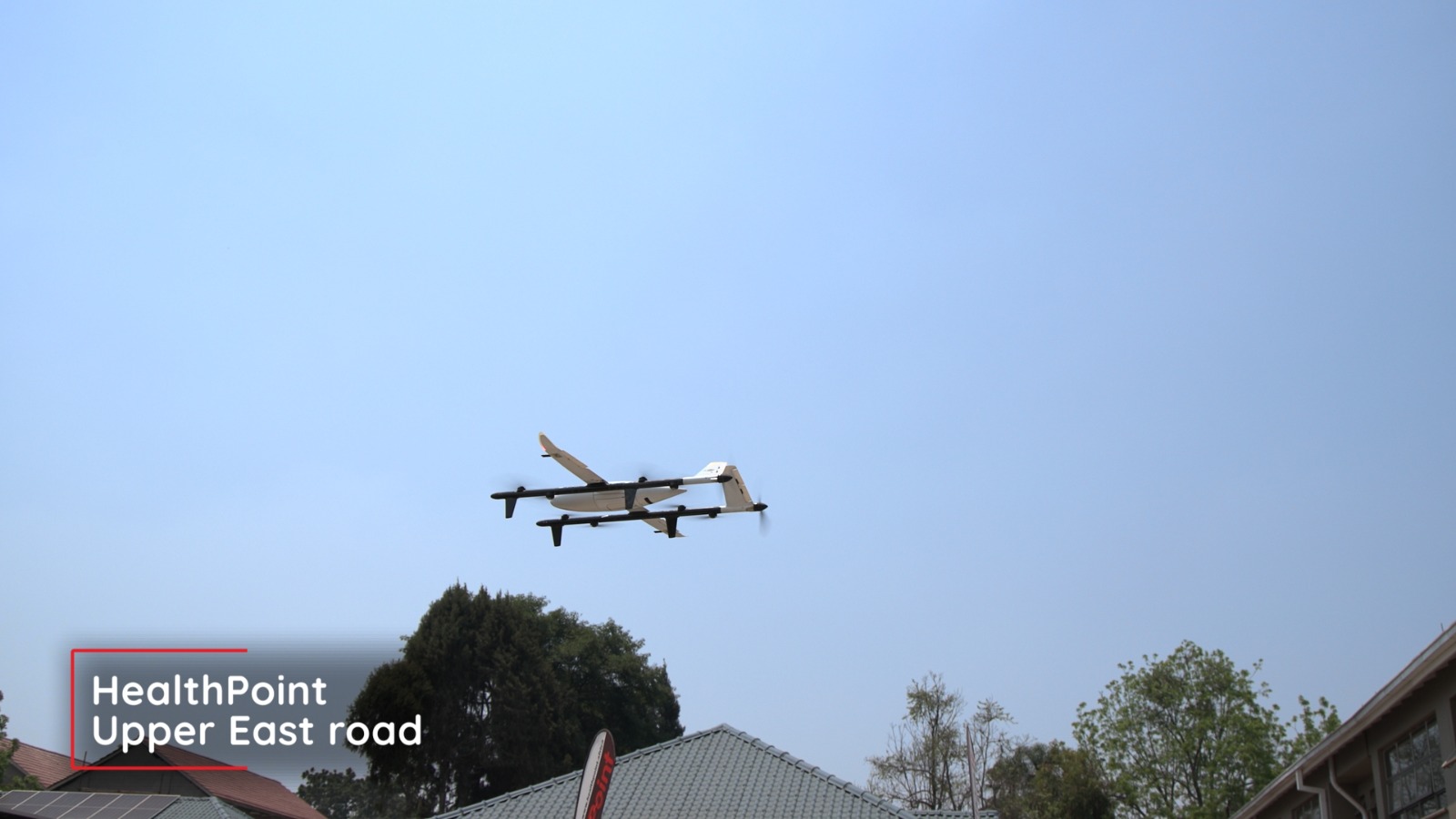
“Drone technology must be assessed by the problems it can help solve,” Mr Musabayana added. “Through this collaboration, we are exploring how aerial logistics can complement existing delivery systems and help healthcare providers move essential supplies more efficiently,”
Advancing innovation ambitions
Zimbabwe has increasingly emphasised science, technology, research and innovation as instruments for economic transformation.
The country’s development ambitions under Vision 2030, alongside the implementation of its national development programmes, require practical applications of technology that improve productivity, strengthen institutions and expand access to essential services.
The healthcare drone trial by HealthPoint offers an example of how innovation can be assessed against these national priorities.
First, it demonstrates the potential for technology to address a specific service-delivery problem. The objective is not innovation for its own sake, but the more efficient movement of medical products and diagnostic samples.
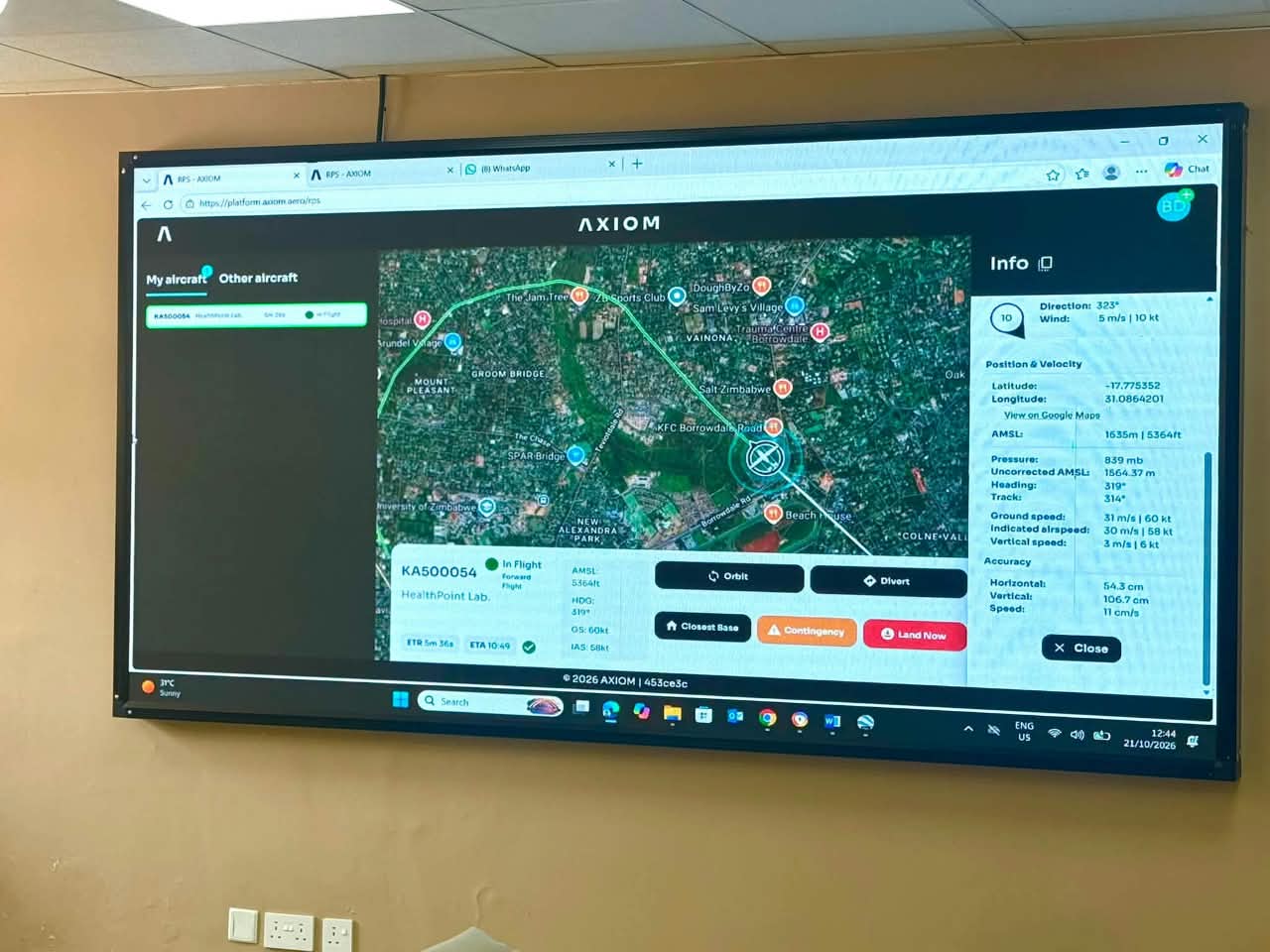
Second, it creates an opportunity to develop local technical expertise in an emerging field involving aviation, engineering, logistics, digital systems and regulatory compliance.
Third, it opens possibilities for collaboration between healthcare providers, technology companies, public institutions, universities and research organisations.
Fourth, it could contribute to the development of new technical skills and employment opportunities as demand grows for qualified drone operators, maintenance technicians, flight planners, engineers and specialists in aviation safety.