Online Reporter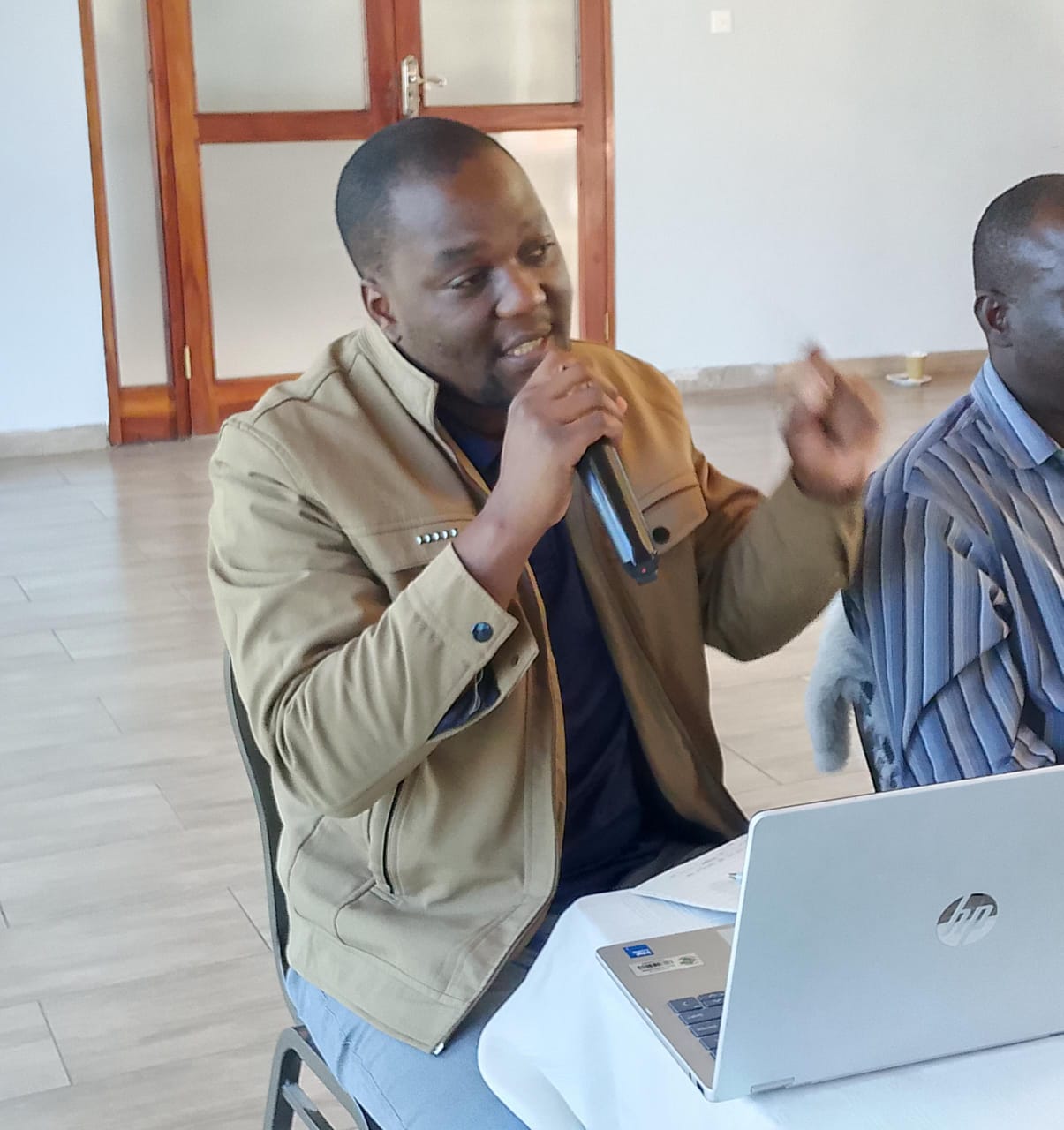
Sikhumbuzo Moyo [email protected]
THE scourge of drug and substance abuse (DSA) in Zimbabwe is threatening the country’s hard-won gains in the fight against HIV and Aids, the National Aids Council (NAC) has warned.
Speaking at the ongoing Bulawayo Provincial Drug and Substance Abuse Taskforce workshop, NAC representative Mr Kelvin Tshuma said drug and substance abuse and HIV were mutually reinforcing epidemics, with the former increasing the risk of HIV transmission while also making it difficult for people living with HIV to adhere to treatment.
Mr Tshuma said alcohol and drug use could impair judgement, memory and decision-making, increasing the likelihood of risky sexual behaviour, including unprotected sex, having multiple sexual partners and engaging in transactional sex.
“DSA increases the risk of HIV infection because alcohol and drugs can impair judgement, memory and decision-making, making a person more likely to engage in unprotected sex, have multiple partners or engage in transactional sex,” he said.
He said substance abuse could also result in people failing to use HIV prevention methods such as condoms and pre-exposure prophylaxis (PrEP).
Mr Tshuma said people who inject drugs faced an additional risk of HIV infection when they shared needles, syringes or other injecting equipment contaminated with infected blood.
He said the combined effects of HIV and substance abuse could worsen health outcomes, interrupt treatment and deepen existing social inequalities.
“DSA can increase HIV acquisition and transmission, worsen health outcomes for people living with HIV and make consistent treatment more difficult,” said Mr Tshuma.
He said people living with HIV could also become vulnerable to substance abuse due to factors such as stress, stigma, pain, mental health challenges and social exclusion.
Mr Tshuma said Zimbabwe’s response to the twin challenges should integrate HIV services with drug and substance abuse prevention and treatment programmes.
He said effective interventions should include confidential HIV testing, access to condoms and PrEP where appropriate, screening for alcohol and drug problems, counselling, mental health services and evidence-based treatment for substance abuse.
He added that people who inject drugs should have access to sterile injecting equipment as part of harm-reduction interventions.
Mr Tshuma said integrating DSA treatment with HIV care could improve patients’ engagement with treatment and help reduce the risk of HIV transmission.
The workshop is bringing together stakeholders to discuss strategies to tackle the drug and substance abuse scourge in Bulawayo, with interventions focusing on areas including supply reduction, demand reduction, health, communication and community engagement.