admin
admin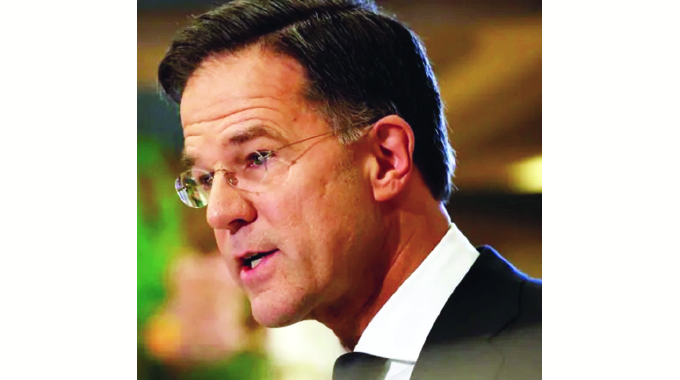
Dutch Prime Minister Mark Rutte apologised yesterday on behalf of his government for the historical role of the Netherlands in slavery and the slave trade, despite calls for him to delay the long-awaited statement.
“Today I apologise,” Rutte said in a 20-minute speech that was greeted with silence by an invited audience at the National Archive.
Ahead of the speech, Waldo Koendjbiharie, a retiree who was born in Suriname but lived for years in the Netherlands, said an apology was not enough.
“It’s about money. Apologies are words and with those words, you can’t buy anything,” he said.
Rutte told reporters after the speech that the government is not offering compensation to “people — grandchildren or great-grandchildren of enslaved people.”
Instead, it is establishing a 200 million-euro ($289.6 million Cdn) fund for initiatives to help tackle the legacy of slavery in the Netherlands and its former colonies, and to boost education about the issue.
Rutte apologised “for the actions of the Dutch state in the past: posthumously to all enslaved people worldwide who have suffered from those actions, to their daughters and sons, and to all their descendants into the here and now.”
Describing how more than 600,000 African men, women and children were shipped, mostly to the former colony of Suriname, by Dutch slave traders, Rutte said that history often is “ugly, painful and even downright shameful.”
“They were wrenched from their families and stripped of their humanity. They were transported and treated like cattle, often under the governmental authority of the Dutch West India Company,” the prime minister said.
Rutte went ahead with the apology even though some activist groups in the Netherlands and its former colonies had urged him to wait until July 1 of next year, the anniversary of the abolition of slavery 160 years ago. Activists consider next year the 150th anniversary because many enslaved people were forced to continue working in plantations for a decade after abolition.
“Why the rush?” Barryl Biekman, chair of the Netherlands-based National Platform for Slavery Past, asked before the prime minister’s address. Some of the groups went to court last week in a failed attempt to block the speech.
Rutte referred to the disagreement in his remarks yesterday.
“We know there is no one good moment for everybody, no right words for everybody, no right place for everybody,” he said. — CBC news



 Online Reporter