Online Reporter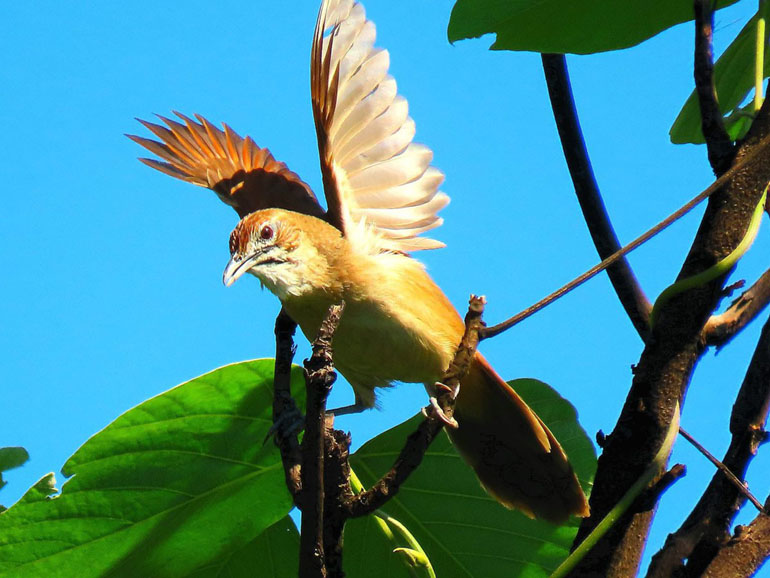
Liberty Dube
Tourism Correspondent
TUCKED along Zimbabwe’s eastern border, the Eastern Highlands unfold like a living tapestry of misty mountains, rolling valleys, evergreen forests and sparkling streams.
For visitors seeking a unique and enriching experience, this is a paradise for bird lovers.
From the lush slopes of Honde Valley to the cool heights of Nyanga, tranquil forests of Vumba, and vibrant surroundings of Mutare, a journey through the Eastern Highlands becomes an unforgettable expedition into the world of birds.
A visitor can come to the Eastern Highlands and explore Honde Valley, Nyanga, Vumba and Mutare on a rewarding bird-watching adventure.
Each area offers its own special habitats, from dense montane forests and tea estates to open grasslands and wetlands. Together, they create an environment where birdlife thrives in astonishing diversity.
What makes bird watching here especially magical is how it transforms with the weather.
On a rainy day, the forests seem to breathe with life. The soft patter of rain on leaves blends with gentle bird calls, creating a calm and almost meditative atmosphere. Birds emerge in quiet movements, their colours deepened by the damp surroundings. It is during these misty moments that one might catch sight of elusive forest species like Swynnerton’s Robin or the Chirinda Apalis, moving silently through the undergrowth.
On sunny days, the experience becomes vibrant and energetic.
Sunlight filters through the trees, illuminating flashes of colour as birds dart across open spaces.
The skies come alive with movement, and the sounds of chirping and fluttering fill the air.
Raptors such as the long-crested Eagle or the African crowned eagle can be seen soaring gracefully above, while smaller birds like the Narina Trogon or Livingstone’s Turaco add bursts of brilliance to the landscape.
The Eastern Highlands are home to an impressive range of bird species.
In the forested areas, bird watchers may encounter special species such as Roberts’s Warbler, the Silvery-cheeked Hornbill, and the striking Black-fronted Bush-shrike. These birds thrive in the cool, moist environments where thick vegetation provides both shelter and food.
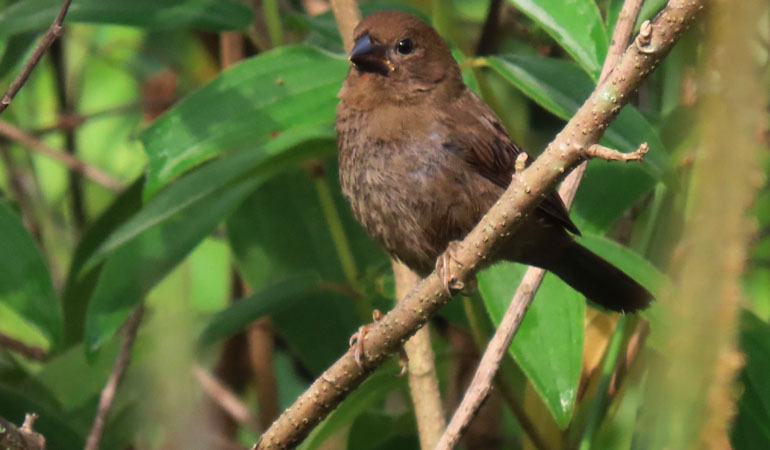
In open skies and rugged terrains, raptors dominate the scene. The Augur Buzzard and Southern Banded Snake Eagle glide effortlessly, scanning the ground below. Their presence adds a sense of drama and grandeur to the birding experience.
Grasslands and wetlands offer yet another dimension. Seasonal visitors like the Blue Swallow arrive in summer, while birds such as the Buff-spotted Flufftail, Cape Grassbird, and Red-winged Warbler bring life to reeds and open fields. These habitats are perfect for those who enjoy observing birds in quieter, less crowded settings.
Descending into the warmer Honde Valley reveals a different world altogether. This lowland area is rich and lush, with species such as the African Pitta, Green Malkoha, Black-and-white Flycatcher, and Red-faced Crimsonwing adding to the region’s diversity. The contrast between highland and lowland birdlife makes every step of the journey feel like entering a new chapter.
Some of the best locations for birding in the Eastern Highlands offer not only rich biodiversity but also breath-taking scenery. The Vumba Mountains are particularly renowned for their gardens and forest patches, where birds like Malachite Sunbird, Bronzy Sunbird, and Stripe-cheeked Greenbul thrive. The mix of montane forest, grassland, bracken-scrub, and exotic vegetation creates a dynamic habitat that supports a wide variety of species.
In Honde Valley, especially around Aberfoyle Tea Estate, provides a lush, low-altitude environment ideal for spotting birds such as the African Broadbill along with numerous sunbirds. The combination of tea plantations and natural forest makes it a peaceful and productive birding spot.
Nyanga National Park, with its high-altitude landscapes, offers yet another unique experience. Among its highlights is the Gurney’s Sugarbird, often found in protea patches.
The cool mountain air and sweeping views make bird watching here both refreshing and inspiring.
The Vumba area stands out as one of the most exciting birding destinations in the Eastern Highlands. Its varied landscape – ranging from montane forests to miombo and acacia woodland, as well as streams and dams – supports an incredible diversity of birdlife.
Guided bird walks add even more depth to the experience. Walking through the forests with a knowledgeable guide allows visitors to learn about bird calls, behaviours and habitats. The air feels alive as the sounds of chirping and fluttering surround you. It is not just about seeing birds, but about truly connecting with nature.
Beyond its beauty, bird watching offers important physical and psychological benefits. Walking through forests, hills, and valleys provides gentle exercise that improves fitness and overall health.
It encourages movement, fresh air, and exploration without the strain of more intense activities.
Psychologically, bird watching is deeply calming. It helps reduce stress, improve focus, and create a sense of peace. The act of observing birds, listening carefully and watching patiently encourages mindfulness. It allows visitors to slow down, appreciate small details and feel more connected to the natural world.
In today’s fast-paced environment, this simple activity can be incredibly refreshing and restorative.