daniel chigunwe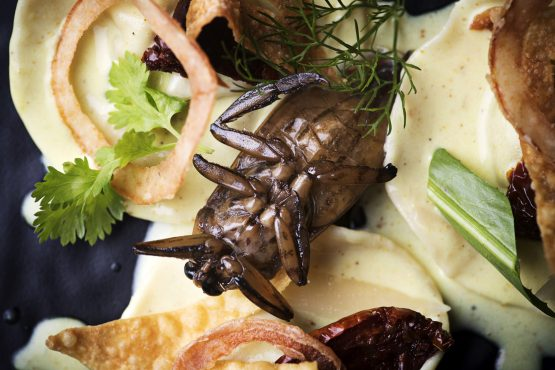
You may see lab-grown meat and insects on the menu in future decades, as the world grapples with challenges to food security posed by climate change and conflict.
These new and developing areas of food technology could help provide nutrition to people in areas stricken by natural disaster or even solve the issue of feeding astronauts venturing into deep space, according to a panel of experts at Sydney’s inaugural South by South West (SXSW) festival on Thursday, as the need for sustainable and reliable food production becomes increasingly apparent.
Climate change has made weather more volatile and hotter in many parts of the world, damaging corn crops in the US, slashing wheat crop forecasts in Australia and even accelerating the spread of deadly pests in China.
Meanwhile, conflict between major wheat exporters Russia and Ukraine has compounded a food crisis in Africa, sending prices soaring.
Here are key developments flagged by the panelists:
1. Lab-grown meat
Australian lab-grown meat startup Vow is one of a host of companies around the world trying to take live animals out of meat production without compromising on taste or nutrition.
Cultivated or cultured meat is made by harvesting cells from animals, “feeding” the cells with nutrients so they can grow in a bioreactor and turning the result into a product consumers can eat.
Chief executive officer George Peppou told the panel that he hopes we’ll eventually think of meat in terms of brands rather than proteins, combining flavours from a variety of different animals.
2. Edible insects
Creepy crawlies are not only tasty — they’re good for you, too, according to Joseph Yoon, founder of Brooklyn Bugs.
He said they contain all 19 essential amino acids, and may be used as a low-cost, high-nutrition and environmentally-friendly way to feed the world. The biggest barrier is converting attitudes, he added: “There are a lot of layers to transforming perceptions of disgust.”
3. Vertical farming
Although some heavyweights in the vertical farming space have recently run into profitability issues, Mike Bridges, Chief Research Officer at Gaia Project Australia, thinks that protected cropping still has its place in agriculture.
4. Exotic plants
It would be good if a slew of plants not traditionally used in the West also made their way to our plates in the future, according to Jenny Mortimer, an associate professor of plant biology at the University of Adelaide.
Mortimer said she thinks plants like duckweed — a name which she conceded might need to be re-branded — could be a good food source as they’re very high in protein, easy and quick to grow and environmentally friendly. — Bloomberg



 Online Reporter