daniel chigunwe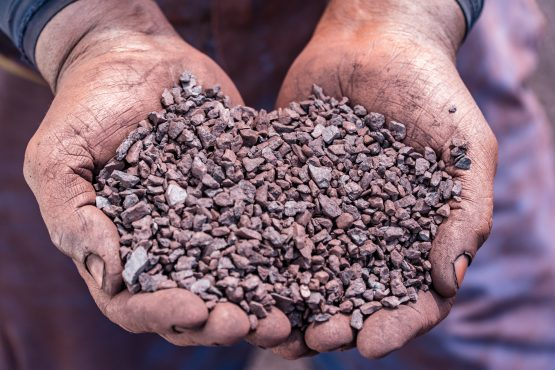
Nigeria plans to tighten rules to reduce the export of raw minerals and encourage the shipment of processed products, a moved aimed at creating jobs and boosting the value of its exports.
“You can’t take our minerals away without adding value locally,” Dele Alake, the minister for solid minerals, said in an interview.
“Which means you must start a factory to produce something that is associated with the mineral that you are taking out.”
Africa’s largest crude producer is banking on its mineral reserves to provide an alternative source of income as oil output dwindles. The country has lithium, gold, bitumen and iron ore deposits and is intent on emulating nations such as Indonesia in climbing up the commodities value chain and boosting employment.
The value of Indonesia’s nickel exports surged tenfold in five years after it forced buyers to set up refineries in the country
Previous Nigerian governments have unsuccessfully tried to revive the mining and quarrying industry.
A decade ago, then-President Goodluck Jonathan’s administration set a target of boosting mining’s contribution to gross domestic product to 3 percent by 2015. The sector accounted for just 0,2 percent of output last year, according to PwC.
Encouraging foreign companies to refine minerals in-country remains challenging — investors have to contend with an unreliable electricity supply and weak domestic demand, while most minerals are extracted by illegal miners.
Northern Nigeria has also long been plagued by insecurity, with armed gangs carrying out mass abductions and killings. The gangs have also displaced local communities, making way for illegal mining, Alake said.
Last month, President Bola Tinubu’s administration said it was introducing new regulations aimed at cracking down on smuggling and providing better oversight of the industry. It also intends to revoke licenses that aren’t used within 18 months.
The government signed an agreement with Australian authorities last month to train locals on the technicalities of the mining industry. That should ensure better regulation and more efficient exploration of the country’s solid minerals, Aleke said. — Bloomberg



 Online Reporter