Online Reporter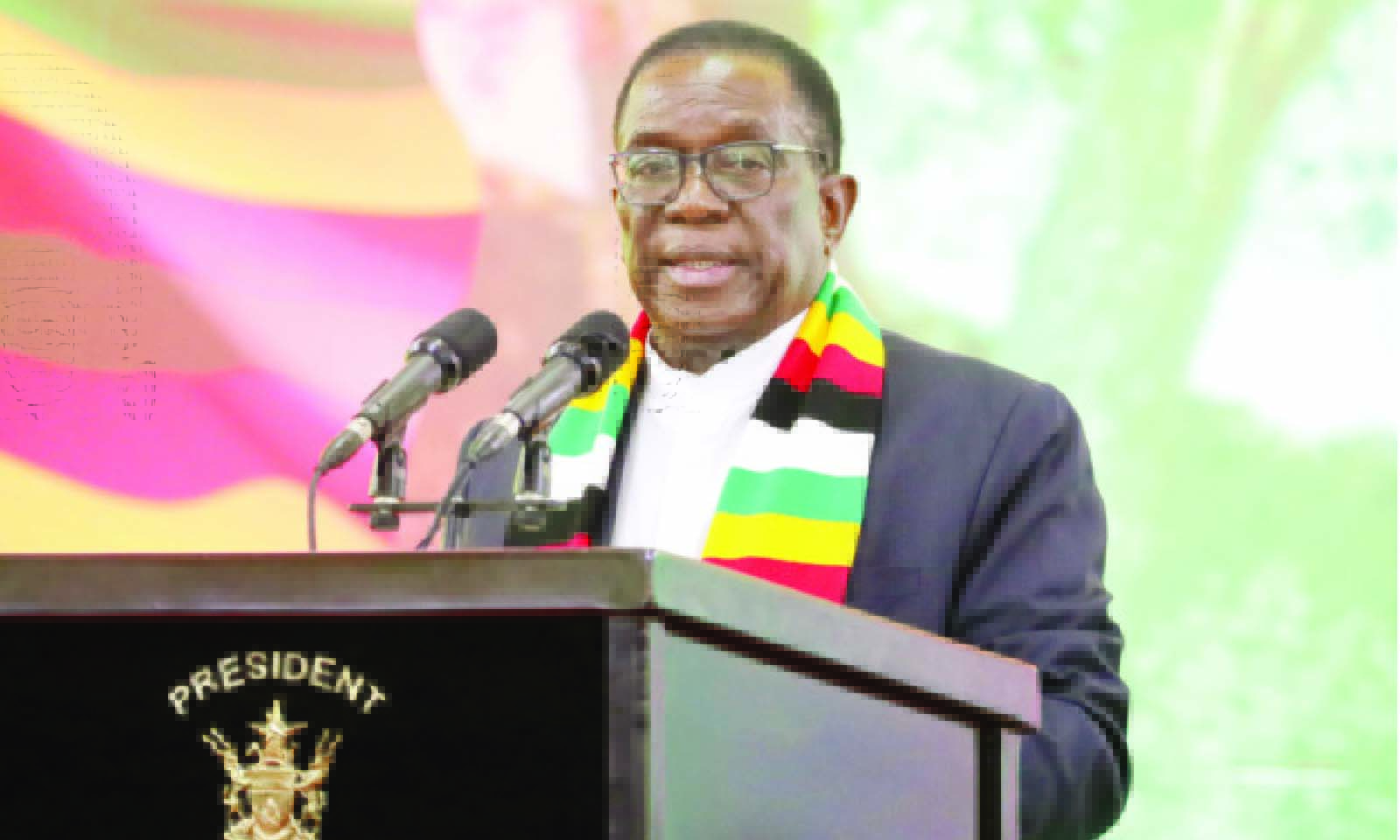
MANY people tend to see culture in a very limited way, as something preserved in resin or taken out every now and again for a festival or celebration before being set aside for what are seen as more important things.
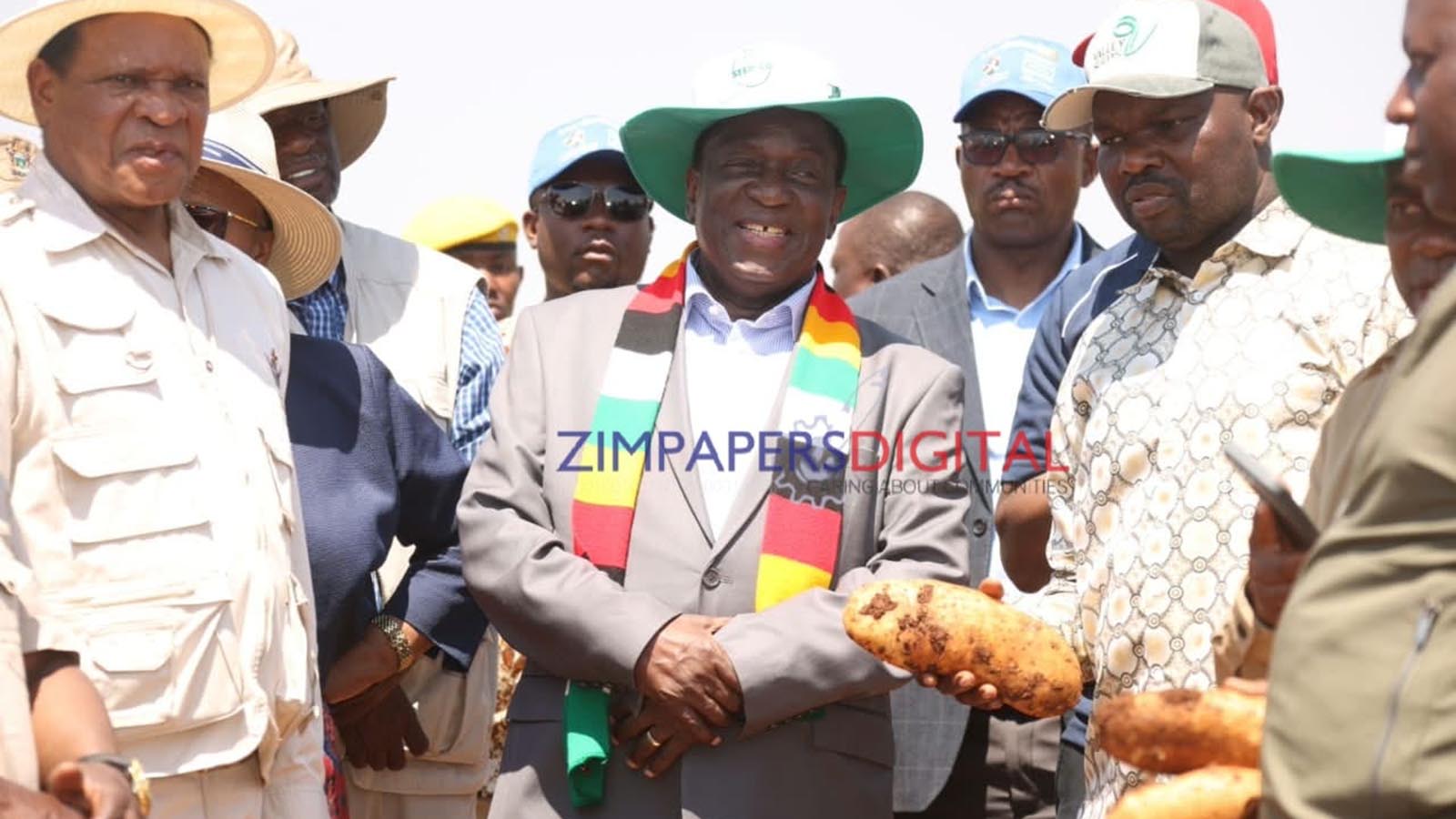
But as President Mnangagwa was stressing yesterday when he launched Culture Month at Tshovani Village in Chiredzi, culture is the way we live and speak and act, something far richer and far more important.
Culture is the language we call our own and speak. It is all those customs and traditions that link us to our family, our community. To a very large extent it gives us both our identity and the richness of what might well be a rather thin, dusty and narrow identity without the richness and meaning.
Of course, culture is a living experience rather than something set in a sticky resin. It changes with time and place but each development being built on what was there before.
It also helps to build national unity, not through some monolithic imposition, something the colonialists liked to try, but rather through each of us seeing through the kaleidoscopic of languages and cultural practices just how much we owe each other and how we all enrich our own country.
Our unity embraces diversity but it is still a national unity, with many shared goals, shared history and shared experiences. We are all recognisably Zimbabwean in our outlook with that outlook woven from the many strands of our different cultures and languages.
This year’s theme is celebrating indigenous voices, which also shows the special role languages play in our make up. Sure many people round the world need to speak at least two languages, their own that makes them what they are and a functional common language so they can talk to others further away and have a fuller range of access to global trade and technology and the like.
But that functional language or wider common language does not create identity: it is simply a very useful tool of communication without connecting anyone to anything.
One curiosity in Zimbabwe is that most indigenous languages are thoroughly living languages in spoken communication and wherever people who share a common local language are they will tend to shift into that language. But yet in the written versions of these languages few people have anything except church things, a prayer book, hymn book and bible. This is a pity especially considering just how vibrantly alive the spoken languages are.
That high level of enriching use of local language is seen in many other areas. Much local music, for example, is built on local languages and traditional music rhythms and there has been some fine experimental work on combining different sets of instruments and on bringing back into use transitional instruments that almost died out.
President Mnangagwa saw culture as being far wider than a language or some customs. Music, literature, architecture, film, theatre, visual arts, dance, fashion and design had to be promoted as mediums of our indigenous voices. In other words we need to set our cultural environment fully to reflect our own values.
There is a difference between culture and tradition. Culture is what we do, how we see the world. Tradition is what has come from the past. Obviously a lot of our culture is built on traditional roots, but sometimes we need cleaner breaks and sometimes we bring in something new. Because culture is living, it will change, but we still need to make sure that the changes are positive and enriching, not losing something because we feel it has no value or, even worse, because it does not fit into the mass markets or modern global entertainment.
But when we look at that list of the President’s we can see some areas where there is a reasonably high level of local indigenous input and values but in other areas we tend to belong to a sort of global flatness. Some of best fashion designers, for example, have been quite willing to push the envelope but a lot of what goes on sale in the discount stores is worn everywhere.
Sadly, we see this in architecture, where we tend to be designing office blocks or shopping centres or houses or mansions that could be anywhere in the world and where the client and the architect seem to combine to create something that could be stripped of any individuality. This does not mean we need rows of pots or some garish decoration to turn international style local, but it does mean that our architects, like our artists, have be to be able to use their medium to enrich our environment.
Culture also needs to be transmitted, and the President noted that this could only happen in the home, a family passing on community values. Sometimes, in the modern thriving Zimbabwe, a family will blend strands of cultures from more than one source, and then there seems to be an importance to make sure the children can live in both.
However, many values are the same across cultures, and a Zimbabwean will probably notice this more than most. There might be many ways of expressing thanks, but we all need to give thanks and the language sometimes matters less than what we are expressing. It is the same in many other aspects. There must be dozens of ways to teach a person to be honest, but the important point is that it is taught.
Independent Zimbabwe has pushed hard the cultural entitlements of Zimbabwe, and has made a sharp turn from the colonial past. The fact that we have 16 official languages was because of a determination that no one would think they were speaking something less important just because there were fewer speakers. All our languages are important to someone and that is why they were all entrenched.
The decision to launch culture month in a Shangaan village in south-east Zimbabwe was to make precisely this point, that the numbers are less important than the fact that you are one of the building blocks of a united and independent Zimbabwe, and you belong in the country by right. As the President stressed, we are all needed, with all our cultural riches, to build a Zimbabwe we are proud of.