Online Reporter
RETIREMENT is a stage of life that inevitably comes to every worker.
Yet, despite its certainty, many people approach it with little preparation, often focusing their energies on immediate financial obligations while postponing plans for life after employment.
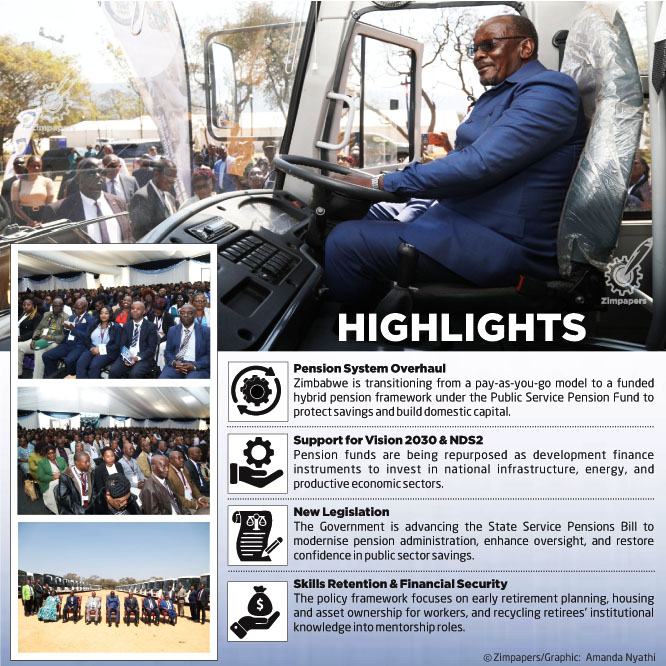
This reality makes initiatives such as the Public Service Commission’s retirement conference both timely and commendable.
By creating a platform where retirement planning takes centre stage, the Commission is empowering public servants with knowledge and strategies that can help them transition smoothly from active employment to retirement.
For many workers, retirement appears distant and therefore easy to ignore. The demands of raising families, paying school fees, servicing mortgages and meeting daily expenses often consume much of one’s income and attention.
However, retirement planning is not something that should be left to the final years of employment. It is a process that ought to begin from the first day one enters the workforce.
The transition into retirement can be one of the most significant changes in a person’s life.
For decades, many people wake up every morning and report for duty, enjoying the structure, purpose and social interactions that employment provides. Suddenly, retirement removes that routine. Without adequate preparation, retirees may find themselves facing financial difficulties, emotional stress and uncertainty about their future.
Good planning helps individuals avoid these pitfalls by ensuring they have sufficient savings, investments and activities that can sustain them after leaving formal employment.
Financial security remains one of the most important reasons for preparing for retirement. A steady monthly salary ceases when one retires, making it essential to have alternative sources of income. Those who plan early are able to build savings, invest in businesses, acquire properties or participate in pension schemes that provide financial support in their later years.
Retirement should be a period of dignity and enjoyment, not one characterised by dependence on relatives or constant financial struggles.
Beyond financial matters, retirement preparation must also address health and wellbeing.
As people grow older, medical needs tend to increase. Healthcare costs can place a heavy burden on retirees who have not made adequate provisions for their future. Planning ahead allows people to invest in health insurance schemes, maintain healthy lifestyles and create financial cushions to cater for unforeseen medical expenses. A healthy retirement is often the result of deliberate planning undertaken years before one leaves employment.
Retirement planning is equally important from a psychological perspective. Many retirees struggle to adjust to a life without the daily responsibilities that once defined them. Some experience loneliness, depression and a sense of loss of purpose.
Preparing for retirement should therefore include identifying meaningful activities, hobbies or community engagements that can provide fulfilment during this new chapter of life.
Whether it is farming, entrepreneurship, charity work or mentoring younger generations, retirees need a reason to remain active and productive.
It is against this background that the Public Service Commission deserves praise for organising a retirement conference dedicated to discussing retirement plans. Such gatherings provide valuable opportunities for workers to learn from experts in finance, health, investment and personal development. The exchange of ideas and experiences equips employees with the tools they need to make informed decisions about their future.
The conference also reflects a progressive approach to human resource management. Employers have a responsibility that extends beyond managing employees during their active years of service. They should help workers prepare for life after employment.
By facilitating discussions on retirement readiness, investment options and post-retirement opportunities, the Public Service Commission is demonstrating concern for the long-term welfare of public servants.
Civil servants have played a critical role in national development over many years. Teachers, nurses, agricultural extension officers, administrators and other Government workers dedicate their careers to serving communities across the country. It is only fitting that they are empowered with the knowledge required to enjoy secure and fulfilling retirements after years of public service.
The retirement conference also serves as an important reminder that retirement preparation is not solely the responsibility of those approaching the end of their careers.
Young employees should pay close attention to the lessons emerging from such discussions.
The earlier one begins planning, the greater the chances of achieving financial stability and peace of mind in later years. Small but consistent investments made over a long period can yield substantial benefits upon retirement.