Online Reporter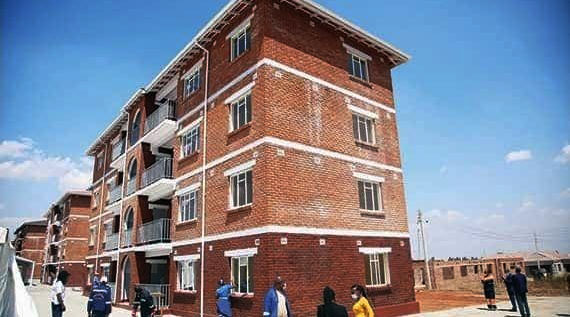
THE Government’s target to deliver 100 000 housing units in Manicaland within the next five years is a welcome and timely intervention in addressing the growing accommodation challenges.
For Manicaland, where urban centres such as Mutare, Rusape, Chipinge and Nyanga continue to experience population growth and increased demand for housing, the programme offers hope to thousands of families who have long struggled to secure affordable and decent accommodation.
Housing is more than just a roof over one’s head. It is a basic human need that provides security, dignity and stability. A decent home creates an environment where children can study comfortably, families can thrive and communities can develop in an organised and sustainable manner.
When people have access to affordable housing, they are better positioned to focus on education, health, entrepreneurship and other productive activities that contribute to national development.
For years, the supply of housing has failed to keep pace with demand. This has resulted in overcrowding, mushrooming informal settlements and soaring rental costs that have placed accommodation beyond the reach of many low and middle-income earners.
Young professionals, civil servants, pensioners and newly married couples are among those hardest hit by the housing shortage. Many spend years on waiting lists while others are forced to rent substandard accommodation at exorbitant prices.
Against this backdrop, the Government’s ambitious housing programme deserves support from all stakeholders, including local authorities, financial institutions, private developers and community organisations.
The success of the initiative will, not only improve living standards, but also stimulate economic activity through the creation of jobs in construction, transport, manufacturing and related sectors. Every housing project translates into opportunities for builders, suppliers of construction materials, plumbers, electricians and many other workers.
However, the focus should not merely be on increasing the number of houses. The units must also be affordable, accessible and built to acceptable standards. There is little benefit in constructing houses that remain beyond the reach of ordinary citizens. Housing schemes must cater for different income groups and provide flexible financing arrangements that enable citizens to own homes without being burdened by unaffordable repayment conditions.
The provision of supporting infrastructure is equally important. Residents require access to clean water, electricity, proper roads, sewer reticulation, schools, health facilities and recreational amenities. Housing developments that lack these essential services often become centres of hardship rather than symbols of progress. Sustainable urban development demands careful planning to ensure that communities are not only housed but also adequately serviced.
As efforts to expand housing gather momentum, authorities must remain vigilant against the activities of land barons who continue to prey on desperate home-seekers. Across the country, countless families have fallen victim to unscrupulous individuals who illegally parcel out land, collect payments from unsuspecting buyers and disappear when legal complications arise.
The housing deficit has created fertile ground for fraudsters who exploit people’s dreams of home ownership. Many victims invest their life savings in residential stands only to discover that the land was illegally allocated, already owned by someone else, or unsuitable for development. Such experiences leave families financially devastated and emotionally traumatised.
The fight against land barons therefore requires a coordinated approach involving Government departments, local authorities, law enforcement agencies and communities themselves. Those found engaging in illegal land sales should face the full force of the law. Equally important is the need for public awareness campaigns to educate prospective buyers about proper procedures when acquiring residential stands.
Residents must exercise caution and verify ownership documents before making any payments. They should insist on dealing with recognised local authorities, Government agencies and reputable developers. Due diligence may appear time-consuming, but it is far less costly than losing hard-earned savings to fraudsters.
Local authorities also have a crucial role to play by ensuring transparency in land allocation processes. Efficient administration, clear communication and accessible records can help minimise opportunities for illegal land dealings. Where housing projects are being implemented, beneficiaries should receive accurate information regarding allocation criteria, payment structures and development timelines.
The Government’s 100 000-unit housing target represents more than a construction exercise. It is an opportunity to transform lives, strengthen communities and promote inclusive economic growth.
For Manicaland residents, affordable and decent accommodation can unlock new possibilities, improve social welfare and restore hope to thousands of families seeking a place to call home.
Yet the dream of home ownership will only be fully realised if housing delivery is accompanied by strong safeguards against corruption, illegal land sales and poor planning. As new housing projects take shape, authorities must ensure that genuine home-seekers, rather than opportunists and land barons, become the principal beneficiaries.
A decent home remains one of the most valuable investments a family can make. Ensuring that every citizen has an opportunity to access affordable, safe and legally acquired accommodation should therefore remain a priority for all stakeholders. The challenge is significant, but with proper planning, accountability and vigilance, the dream of adequate housing for thousands of residents can become a reality.
Ends