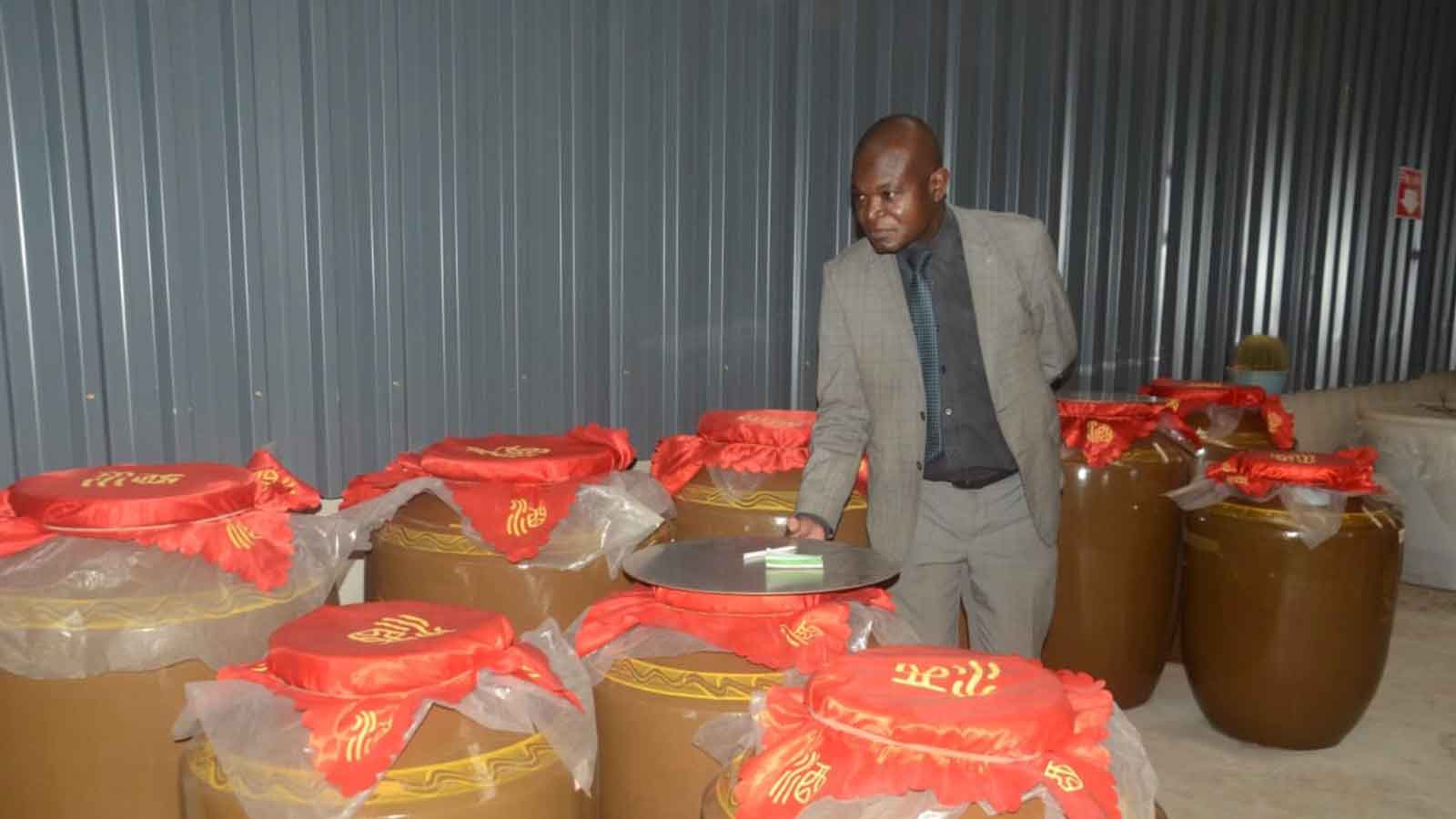
The rise of illegal illicit beer manufacturing plants in Harare is a worrying development that should concern not only law enforcement agencies but also public health authorities, community leaders and residents.
Recent reports of clandestine operations producing counterfeit alcoholic beverages in residential areas and industrial sites point to a growing underground economy that poses serious risks to consumers, deprives the Government of revenue and fuels criminal activity.
While Zimbabwe has long battled the challenge of illicit alcohol, the apparent increase in illegal brewing facilities signals a troubling shift from small-scale backyard production to more organised operations capable of distributing large quantities of unregulated products.
This trend demands an urgent and coordinated response before it develops into a full-blown public health and security crisis.
The greatest danger posed by illicit beer plants is the threat to human life.
Unlike products manufactured by licensed breweries, counterfeit alcoholic beverages are produced without adherence to health and safety standards.
There is no guarantee regarding the ingredients used, the hygiene of production facilities or the alcohol content of the final product.
Consumers may unknowingly ingest harmful substances that can cause poisoning, permanent health complications or even death.
Across the world, illicit alcohol has been linked to numerous cases of blindness, organ failure and fatalities due to the use of dangerous chemicals in the brewing process.
Zimbabwe cannot afford to wait for a tragedy of that magnitude before taking decisive action. The fact that such products often target low-income consumers makes the situation even more concerning, as vulnerable communities are usually the first victims.
The economic implications are equally serious. Licensed breweries and beverage manufacturers invest heavily in production facilities, employee welfare, taxation and regulatory compliance.
Illegal operators bypass all these obligations while benefiting from lower production costs.
This creates unfair competition and undermines legitimate businesses that contribute significantly to national economic growth.
The emergence of illegal beer plants also raises broader concerns about organised crime. Such operations rarely exist in isolation.
They often depend on networks involved in smuggling, tax evasion, document forgery and corruption.
If left unchecked, these criminal enterprises can become entrenched and increasingly difficult to dismantle.
Authorities must therefore view illicit beer manufacturing not merely as a licensing violation but as a serious criminal activity with far-reaching consequences.
Law enforcement agencies deserve recognition for the raids and arrests that have already been carried out. However, the persistence of these operations suggests that more needs to be done.
Penalties for those found guilty of manufacturing and distributing counterfeit alcohol should be sufficiently severe to serve as a deterrent.
When the profits from illegal brewing outweigh the risks of punishment, criminals will continue to enter the trade.
The justice system must send a clear message that endangering public health for financial gain will not be tolerated. Public awareness is also critical. Consumers should be educated on the dangers of purchasing alcohol from unverified sources.
Many people are attracted by lower prices without appreciating the risks involved.
Information campaigns through the media, community organisations and health institutions can help citizens identify suspicious products and report illegal activities.
The rise of illegal beer plants in Harare is more than a law enforcement issue. It is a public health concern, an economic challenge and a threat to community safety.
The authorities have an opportunity to act before the problem grows beyond control.
Through stronger enforcement, tougher penalties, public education and community participation, Harare can stem the tide of illicit alcohol production and protect both consumers and legitimate businesses.