ZIMBABWE and Mozambique share far more than a common border.
They are bound together by history, geography, infrastructure and economic interests that make their partnership one of the most important in Southern Africa. Yet despite the enormous potential for growth in bilateral trade, businesses and investors continue to face costly bottlenecks that undermine efficiency and limit the full benefits of economic cooperation.
One of the most significant challenges is the delays experienced at the Forbes-Machipanda border posts. For years, transporters have complained about lengthy clearance times, duplication of procedures and congestion that often leaves trucks stranded for hours or even days.
Every hour lost at the border translates into higher transport costs, increased fuel consumption and delayed delivery schedules. Ultimately, these costs are passed on to consumers and businesses, making products more expensive and reducing the competitiveness of exports.
The Forbes-Machipanda corridor is a critical gateway linking Zimbabwe to the Port of Beira, one of the country’s most important routes to international markets. Agricultural exports, mineral products, manufactured goods and fuel all pass through this corridor. When traffic is delayed, supply chains are disrupted and economic activity suffers. In an era when global commerce increasingly depends on speed and efficiency, Zimbabwe and Mozambique cannot afford border processes that belong to a bygone age.
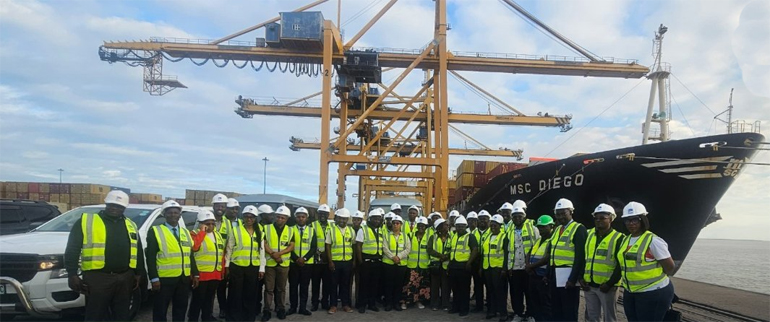
Equally concerning are the delays that sometimes occur at the Port of Beira, particularly in the docking and handling of ships. The port serves, not only Mozambique, but also several landlocked countries in the region, including Zimbabwe, Zambia and Malawi. Any delay in vessel docking, cargo offloading or container handling creates a ripple effect throughout the regional economy. Importers face costly demurrage charges while exporters risk missing deadlines and losing valuable business opportunities in international markets.
The efficiency of Beira is therefore, not merely a Mozambican concern, but a regional economic imperative. Continued investment in port infrastructure, modern cargo-handling equipment and digital logistics systems is essential to improving turnaround times. A faster and more efficient port would strengthen Beira’s position as a preferred gateway for regional trade and further enhance Mozambique’s role as a logistics hub for Southern Africa.
Another major obstacle is the persistence of red tape in customs and clearing procedures. Traders frequently encounter excessive paperwork, multiple inspections and overlapping regulatory requirements that delay cargo movement. While governments have made commendable efforts to modernise customs administration, further reforms are necessary to create a seamless trading environment. The adoption of fully integrated digital clearance systems, harmonised documentation requirements and greater coordination among border agencies will significantly reduce processing times and improve predictability for businesses. Reducing bureaucracy is not simply about convenience. It is about creating an environment where investment can flourish.
Investors are naturally attracted to countries where goods can move quickly and efficiently from production facilities to markets. When clearance procedures are cumbersome, businesses face additional costs and uncertainty that can discourage expansion and new investment. Streamlined processes would send a powerful message that Zimbabwe and Mozambique are committed to facilitating trade and supporting economic growth.
Perhaps the most transformative step that the two countries can take is the establishment and full implementation of a one-stop border post at Forbes-Machipanda.
Such a system will allow travellers and cargo operators to undergo exit and entry formalities at a single location rather than dealing with separate procedures on either side of the border. This approach has delivered impressive results elsewhere in Africa, reducing clearance times, cutting costs and improving operational efficiency.
A fully functional one-stop border post will eliminate duplication of inspections, improve information sharing between customs authorities and accelerate cargo processing. Truck drivers will spend less time waiting in queues, transport companies will reduce operating costs, and businesses will enjoy more reliable delivery schedules. Most importantly, the border will become a facilitator of trade rather than an obstacle to it.
The benefits will extend far beyond Zimbabwe and Mozambique. Enhanced efficiency along the Beira Corridor will strengthen intra-African trade and support the objectives of the African Continental Free Trade Area (AfCFTA). As African countries seek to increase trade among themselves, efficient transport corridors and border systems will be critical to achieving that vision. The Forbes-Machipanda crossing can become a model of regional integration and cooperation.
The time has come for both governments, border authorities, customs agencies and private sector stakeholders to work together with renewed urgency.
Infrastructure investments must be matched by administrative reforms. Technology must replace outdated manual processes. Cooperation must replace institutional fragmentation. The private sector, which bears the cost of inefficiencies every day, should also be actively involved in developing solutions that improve the movement of goods.
Zimbabwe and Mozambique stand at a strategic crossroads. Their economies have the potential to become even more integrated, creating jobs, attracting investment and boosting trade volumes for the benefit of both nations. However, that potential will remain unrealised as long as bottlenecks continue to constrain the free flow of commerce.
By eliminating delays at Forbes and Machipanda, improving efficiency at the Port of Beira, cutting red tape in customs clearance and implementing a robust one-stop border post, the two countries can unlock a new era of economic cooperation. The rewards will be substantial: lower business costs, increased trade, stronger competitiveness and greater prosperity for millions of people on both sides of the border. The challenge is clear, and so is the opportunity. What is now required is decisive action.