

 Moffat Mungazi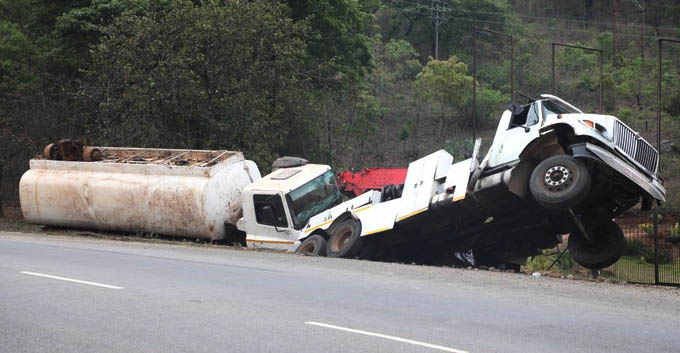
HARDLY a week passes without a road accident being reported at the Christmas Pass curves along the Mutare-Harare Highway.
Over the years, several lives have been lost, while property worth thousands of dollars have been destroyed.
The road has become a death trap and a nightmare to both the travelling public and Mutare residents.
Talk of the construction of a by-pass road has been going on for a long time, and in some circles, it was now being viewed as a scratched compact disc.
Last week’s announcement by the contractors of the new bypass road – Leengate Private Limited – of their undertaking of an Environmental and Social Impact Assessment for the proposed 31,2km Christmas Pass By-Pass Road is a welcome development.
Leengate stated that the key infrastructure project is designed to enhance road safety and improve efficiency of the transportation network in Mutare.
The new by-pass road will primarily serve to redirect haulage traffic away from the accident-prone Christmas Pass.
The proposed route extends from the Feruka-Grand Reef Turn-off to Forbes Border Post.
The motoring public welcomes this latest development as the construction of the Christmas Pass Bypass road has been a long-awaited solution to the perennial problems plaguing the current road.
The frequent fatal accidents and loss of property have become a grim reality for motorists and residents alike.
It is imperative that the construction of this bypass is expedited to alleviate the suffering and loss of life.
The current road’s notorious reputation for accidents has been well-documented, with numerous accidents resulting in loss of life and property.
The economic costs of these accidents are staggering, not to mention the emotional toll on families and communities affected.
The construction of the bypass is, not just a matter of infrastructure development; it is a matter of saving lives.
The need for the Christmas Pass Bypass has been highlighted time and again, with various stakeholders calling for its completion.
The continuous delays and setbacks have only added to the frustration and sense of urgency.
It is crucial that the authorities prioritise this project and allocate the necessary resources to ensure its timely completion.
The benefits of the bypass will be multifaceted.
Not only will it reduce the risk of accidents, but it will also decrease congestion, improve traffic flow, and enhance the overall safety of motorists.
In addition to enhancing road safety, the Christmas Pass Bypass will also alleviate congestion and reduce travel times.
The current road is often congested, particularly during peak hours, which can lead to frustration and wasted time for commuters.
The bypass will provide an alternative route, reducing the volume of traffic on the existing road and decreasing travel times for motorists.
This, in turn, will boost productivity and economic activity in the region, as people will have more time to focus on their work and other activities.
The bypass will also have a positive impact on the local economy.
By improving access to the region, the bypass will attract more businesses, investors, and tourists, thereby stimulating economic growth and development.
The increased economic activity will create new job opportunities, improve living standards, and enhance the overall quality of life for residents.
Furthermore, the Christmas Pass Bypass will also have environmental benefits.
By reducing congestion and promoting smoother traffic flow, the bypass will decrease air pollution and greenhouse gas emissions, contributing to a cleaner and healthier environment.
This is particularly important in today’s world, where climate change and environmental sustainability are pressing concerns.
In light of the recent accidents and loss of property, it is imperative that the construction of the Christmas Pass Bypass is fast-tracked.
The authorities must take concrete steps to address the challenges hindering the project’s progress and ensure its completion within a reasonable timeframe.
The lives of motorists and residents depend on it, and it is our collective responsibility to demand action and push for the realisation of this critical infrastructure project.


 Online Reporter