admin
admin
Many like to overplay the lack of communication between Government and the main opposition party, along with the refusal of the MDC-Alliance to join the political parties forum set up by President Mnangagwa unless there is an outsider as chair, to be precise a Westerner, chosen by the opposition. Yet since the elections last year there has been a growing and functional relationship across party lines, the relationship between the central Government and the urban councils.
There has been determination by President Mnangagwa and Minister of Local Government, Public Works and National Housing July Moyo on one side, and the mayors of Zimbabwe’s cities and towns on the other, to ensure that communications remain open, voters’ choices are respected and cooperation to solve the many serious problems is kept at the maximum.
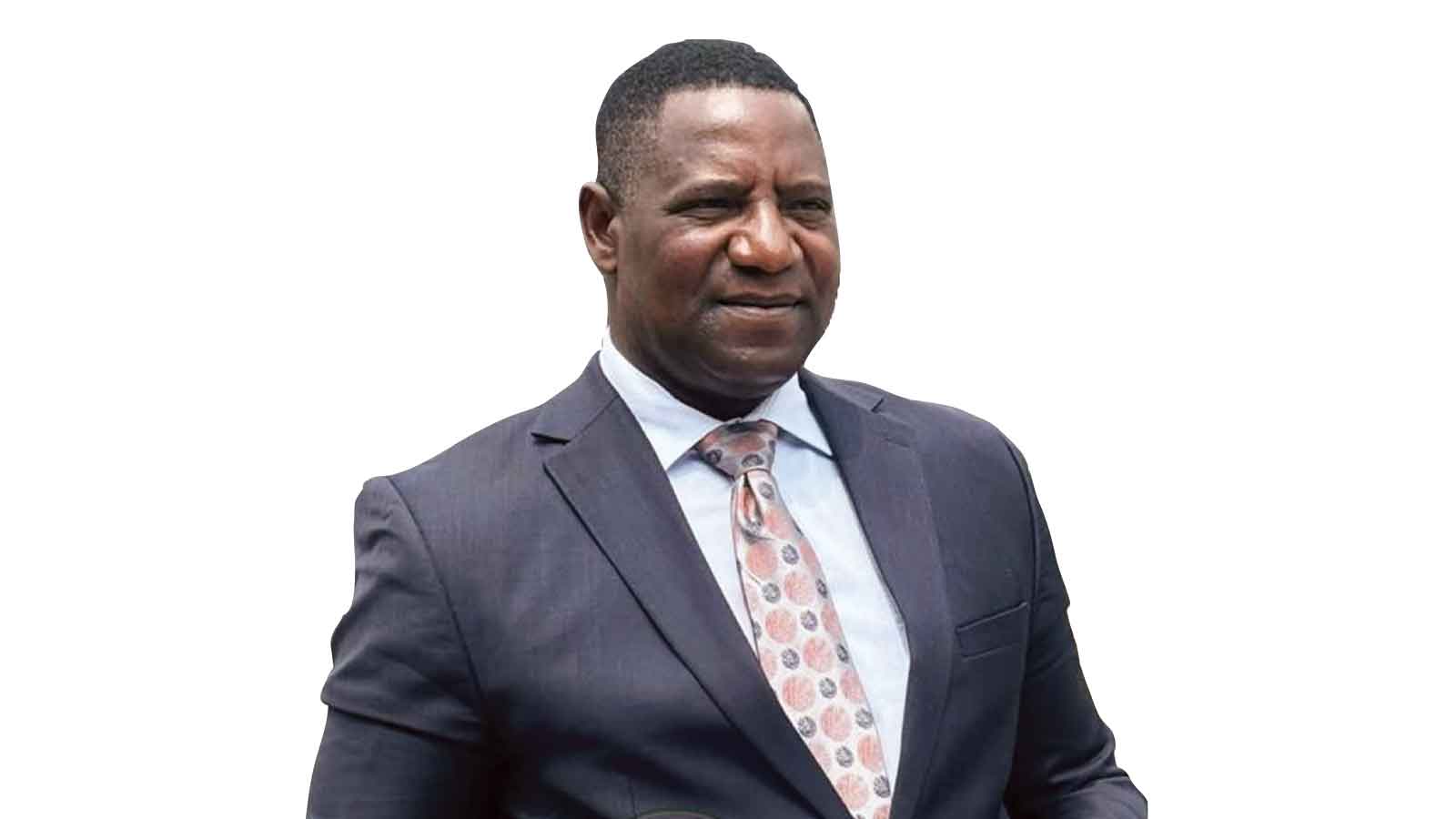
This was highlighted last week when Harare Mayor Cllr Herbert Gomba made his State of the City Address.
He highlighted the cordial relations his council was now enjoying with Government and said that the improvement in the interface between the city and central Government was starting to bear fruit.
While MDC-Alliance made noise about this and that demand, the Government did not stop helping people, timely giving emergency aid with water treatment chemicals as the council was being forced to shut down its major water treatment plant, Morton Jaffray Plant.
There was a fiscal transfer for water and sanitation, Government ordered ZIMRA to write off interest and penalties on unpaid debts, leaving just the much smaller principal for the council to pay. Mayor Gomba made it clear that he was hoping for more cooperation for the benefit of all the residents of the capital city.
Other urban councils have similar relationships. The results of the elections last year could have led to a great deal of division, especially by the power hungry.
Urban areas tended to produce majorities for the opposition while most rural areas tended to produce Zanu-PF majorities. The potential trouble was shot down from the very beginning, by practical politics.
Minister Moyo was an excellent choice by President Mnangagwa for what was obviously a tricky ministry even where local and central authorities, with their potentially conflicting mandates, are drawn from the same party.
And when a swathe of local authorities are controlled by the opposition then the potential for conflict is serious.
But the minister has a reputation as a diplomat eager to see problems being solved rather than points being scored. He is experienced in local governance and is regarded one of the most intelligent permanent secretaries at local Government.
So from the Government side there was a strong policy to establish good communications and ensure these channels were kept open. The mayors and their councils responded, with Mayor Gomba taking a leading role, and with a lot of the initial processes set by the emergency of a cholera outbreak as he took office.
That was defeated quickly and with almost no loss of life because the central Government and the city council worked together very closely from the start. The mayor personally showing the President around the affected areas sent a very clear message.
This sort of cooperation should not actually be all that out of the ordinary. People who are elected to office, regardless of the office, have responsibilities and these responsibilities are to those who did not vote for them as well as those who voted for them. So in theory they all have to work together.
These are not marriages made in heaven. Obviously the Government and the urban councils have a lot of differences, but they do not need marriages made in heaven. They need functional and practical businesslike relationships and this, to everyone’s credit, is what they have established and are consolidating and expanding.
No one has had to surrender any of their fundamental values or give up anything essential. What each has had to do is accept that the voters decided in their wisdom to give majorities to different parties in central and urban local government and then to work with that choice.
This could easily be expanded to national levels. There are major policy differences, obviously, between the major political groups. That’s why there are separate parties. But there are also many areas where divergence is minimal and where people can work together closely, with even when there is agreement the opposition can still perform a very useful role pressing for the agreed policy to be implemented better.
We do not need outsiders to referee our disputes. What we do need is a determination to try and make Zimbabwe work and develop. We have different ideas of what can be done, and we must not hide our differences, but we can still do a surprising amount of good if we are all looking at fulfilling our obligations to the people, rather than trying to score petty points.
The President and the Government have gone out of their way to hold out a hand at least out of courtesy and the main opposition needs to emulate those of their members who are in office, the mayors, and see where Zimbabweans can and should work together.


 Online Reporter