Chronicle Editor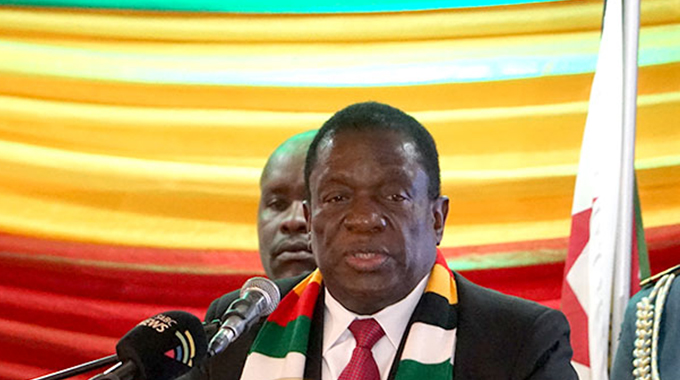
Zimbabweans have embraced the national clean-up campaign as evidenced by the increasing number of people, organisations and companies participating in the exercise to clean up their environment.
The President, Cde Mnangagwa, in 2018 declared the first Friday of each calendar month, the National Environment Cleaning Day. Last Friday the Presidium moved to promote the national clean-up campaign beyond the country’s major cities as it seeks to ensure the programme is embraced by citizens at grassroots level.
President Mnangagwa was at Gutu-Mpandawana town in Masvingo while his deputies Dr Constantino Chiwenga and Cde Kembo Mohadi were in Mashonaland Central and Matabeleland North provinces respectively.
The President said it was very encouraging that a lot of ground has been covered in inculcating a culture of cleanliness among the citizens, both in rural and urban areas.
According to reports from different corners of the country, the people are not just waiting for the national clean-up day but are undertaking the cleaning daily to keep their environment clean. President Mnangagwa has challenged both rural and urban local authorities to develop waste management policies to address the problem of littering.
Councils have at times been a letdown by allowing garbage to pile up at public places like termini. There is need for councils to complement national efforts to clean the environment by ensuring garbage is collected regularly. Councils must prioritise refuse collection from residential areas and public places if residents are to enjoy the benefits of cleanliness.
The local authorities should also enforce by-laws to ensure vendors operate from designated areas only. There is chaos in most cities and towns because vendors are now occupying streets and pavements making it difficult to maintain cleanliness.
Bulawayo City Council is among few local authorities that are working hard to rid the towns’ streets and pavements of illegal vendors. The Bulawayo’s municipal police’s constant raids on illegal vendors is paying dividends hence the resemblance of some orderliness in the City of Kings.
We want to urge other local authorities to emulate Bulawayo and move vendors to designated areas. When the country was hit by an outbreak of cholera in 1992 Bulawayo recorded very few cases because of its cleanliness. We want to implore councils to take seriously the President’s call to develop waste management policies to address the problem of littering.
There is need to ensure public places are cleaned and garbage collected regularly while vendors only operate from designated places that have facilities such as toilets.



 Online Reporter