Moffat Mungazi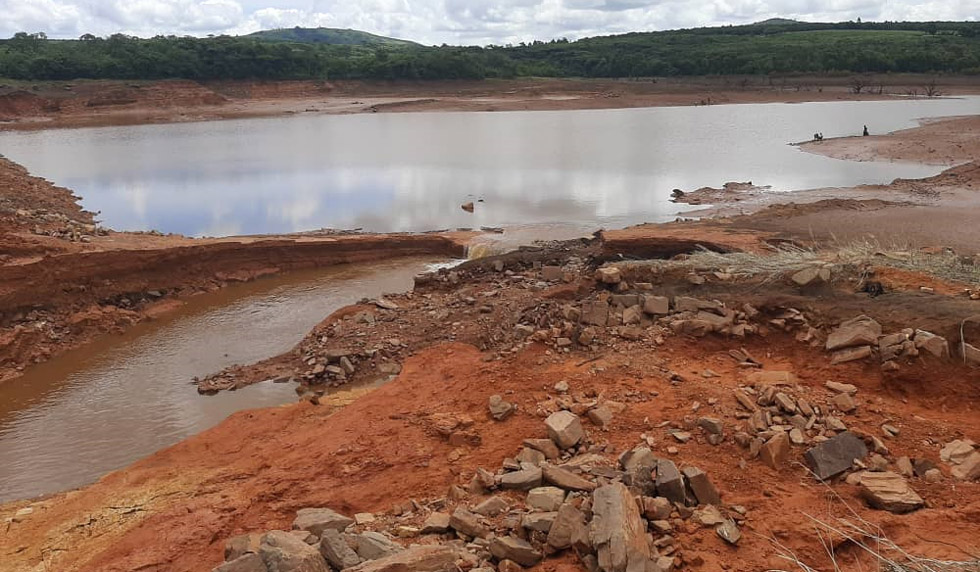
THIS week, the usually serene Chipinge community was plunged into mourning following a dam breach at Bandama Farm Dam, resulting in the loss of five young lives.
The shocking incident has left more than 400 villagers downstream vulnerable.
With the continuous rains being received in Chipinge, and the country at large, there is need for all vulnerable communities to be on high alert.
They should be relocated to higher ground before disaster strikes.
As we reflect on the critical role that dams play in our ecosystem, it becomes increasingly evident that maintaining these structures is, not just a matter of convenience, but a vital imperative that can mean the difference between life and death.
Dams are a crucial part of our water management systems, providing essential services such as irrigation, water supply, and flood control. However, when left unmaintained, these structures can become ticking time bombs, waiting to unleash devastation on unsuspecting communities.
The consequences of a dam breach are nothing short of catastrophic.
The resulting floodwaters can sweep away entire villages, destroying homes, businesses, and infrastructure.
The loss of life is often staggering, with people trapped in the path of the raging waters left with little chance of escape.
Livestock, too, are vulnerable to the fury of the floodwaters, with many animals drowning or being swept away.
But the impact of a dam breach extends far beyond the immediate aftermath.
Communities can be left reeling for years, struggling to recover from the economic and social devastation wrought by the disaster.
The trauma inflicted on individuals and families can be long-lasting, with many left to pick up the pieces and rebuild their shattered lives.
In light of these stark realities, it is imperative that we prioritise dam maintenance and safety.
This requires a multifaceted approach, involving regular inspections, repairs, and upgrades to ensure that these structures remain secure and resilient. Government, Zimbabwe National Water Authority (ZINWA), dam operators, and local communities must work together to identify potential vulnerabilities and take proactive steps to address them.
Furthermore, it is essential that we adopt a culture of safety and preparedness, recognising that dam breaches can occur without warning like what happened in the Bandama Dam breach incident which caught many people off-guard last Sunday.
At the heart of a culture of safety and preparedness is a deep-seated understanding of the risks associated with dam breaches.
Communities must acknowledge that these structures, no matter how well-designed or maintained, can fail without warning.
This awareness must be fostered through public education campaigns, community outreach programmes, and emergency preparedness initiatives.
One of the most critical components of a culture of safety and preparedness is the development of emergency response plans.
These plans must be tailored to the specific needs of the community, taking into account the location of the dam, the potential flood zone, and the demographics of the population.
The plans must be regularly reviewed, updated, and tested to ensure that they are effective and that community members know what to do in the event of a dam breach.
Community members must also be empowered to take an active role in emergency preparedness. This can be achieved through training programmes, public awareness campaigns, and community engagement initiatives.
For example, communities can establish volunteer groups that can assist with evacuation efforts, provide support to affected families, and help with clean-up and recovery operations.
With everything said and done, farmers and communities should know that maintaining dams is, not just a matter of routine maintenance; it is a matter of life and death.
By prioritising dam safety and taking proactive steps to prevent breaches, we can protect our communities, our livelihoods, and our very lives.
The importance of this task cannot be overstated, and it is our collective responsibility to ensure that these critical structures remain safe and secure for generations to come.



 Online Reporter