admin
admin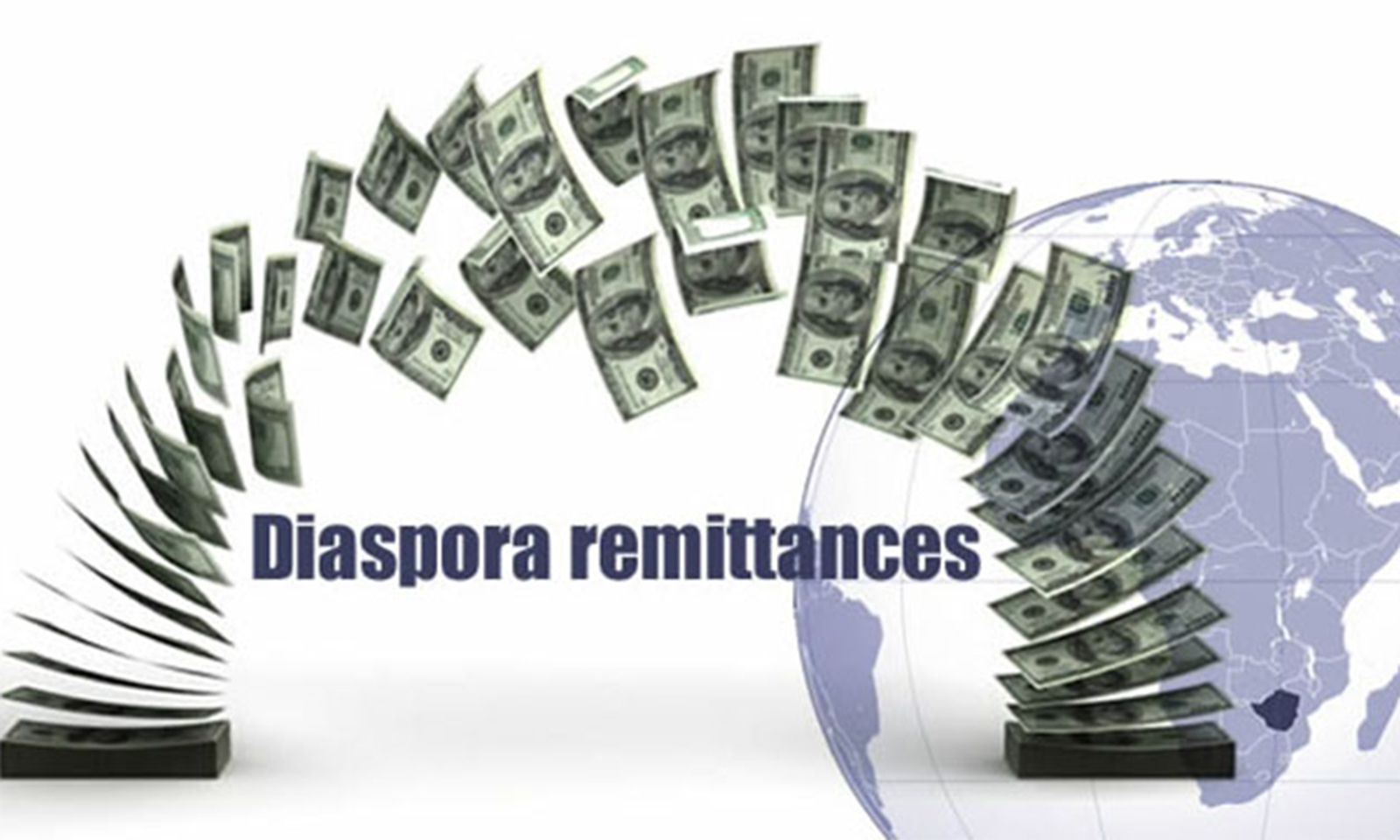
THE US$2,2 billion in Diaspora remittances last year, a figure likely to be exceeded this year, help ensure that a lot of families live a better life.
They also are critical for keeping the country on an even economic growth course and allowing imports to exceed exports while still having inflows of foreign currency exceeding outflows.
Without this money sent home, usually to relatives although there are some direct purchases such as property, Zimbabweans would find themselves tightly cramped when it came to imported goods and services.
We would either have to return to the days of total control of imports by the authorities with a permit for everything or reduce standards of living by pushing up the price of imported goods sharply through taxes or rationing or other measures to reduce demand, including those of petroleum fuels.
Diaspora money is easily the largest segment of foreign currency in private hands in Zimbabwe and is what maintains the dual currency system we use in the local economy.
While exports account for more than three times the level of foreign currency inflows as Diaspora funds, they do not feed much foreign currency into private hands.
Net exporters pay half their taxes in foreign currency and can buy some goods and services in Zimbabwe using their retained foreign currency receipts, and most pay some or all of their salaries in foreign currency from those same receipts. But that is about it.
Exporters have to sell 30 percent of their foreign currency, these days to the Government rather than the Reserve Bank of Zimbabwe after reforms last year.
For anything more they need in local currency they have to sell some of their retained earnings to willing buyers via their commercial bank.
This does not see much foreign currency from this source directly entering the local retail economy and being held by private people.
The Government itself pumps some foreign currency free funds into private hands, some in payments to farmers and some in the foreign currency allowances that it pays to its own civil servants, most of this money coming from the taxes paid in foreign currency.
The compulsory purchases of the 30 percent of exporters inflows are not used for these payments. Such foreign currency either goes towards what the Government itself must import or pay when servicing debt, and at least half being moved into the banking system to provide the base load for the interbank market and so being bought by importers.
Everyone else with foreign currency in their pocket is getting this money, perhaps through a string of intermediaries, either from what a civil servant spent or from someone who has Diaspora money, with most of that money in private pockets being originally Diaspora money.
The inflows of Diaspora money also help to explain why most petroleum fuels are sold for foreign currency and why service stations are just about the only retailer allowed to demand foreign currency, rather than let the customer choose the currency.
Since we import more than export, and since petroleum fuels are the largest single import, having that large block of imports sold locally for foreign currency means that Diaspora money, directly and indirectly, pays for much of our petroleum fuel imports, so ensuring that at least a good slice of the Diaspora money is used constructively, to balance our trade.
While petroleum fuels are in the trade statistics, most of these imports are not funded from export earnings, and that in turn means when we look at the actual inflows and outflows of trade cash, excluding petroleum, we are roughly in balance.
This is the result of some happy coincidences but it does mean that this slice of Diaspora money goes into the trading account without any directives from the authorities and without anyone actually tracking what happens to Diaspora funds after the recipients have picked up their cash.
But more could probably be done to encourage those receiving Diaspora money to be more productive in how they spend at least some of the money.
Of course, an elderly couple receiving money from a qualified and caring child earning a good living outside the country will spend most of their money on groceries, electricity and other essentials. But others may have more options.
A lot of cheap imported manufactured goods enter the country, and the steady inflow of second-hand cars is largely paid, again indirectly, from the Diaspora pool.
Having good-quality budget cars made in Zimbabwe, and the rise of the electric vehicle market, opens doors along with the fact that we are now making steel.
This would see some of that Diaspora cash ending up in the local manufacturing sector.
Considering the duties on imported second hand cars, far higher than imported new cars, pricing would not be a problem for the local budget car. It should be possible to produce a new car for the same price as an imported second hand car.
Rebuilding the textile and garment industries would see another slice building local companies, rather than just seeing it flow out to foreign factories.
Again, it would not involve protectionism, but would be the result of having efficient local producers able to price at least equal and often below the combined production and transport costs of the import, with the low customs duties for non-African products being just a bonus.
The first result of continuing our present trajectory of increasing exports year, coupled with building local industries that can compete with imports, would soon see service stations having to accept all currencies, which everyone except the owners want, and a growing pool of foreign currency available via the banks changing money that could then be used to accelerate growth by imports of things like machinery, rather than second-hand cars and cheap consumer goods.
This would mean that the Diaspora money sent home by our clever and hardworking citizens, and we need to remember that they only send home a modest fraction of what they earn, would have a double benefit, not just keeping their aged parents or other relatives in reasonable comfort, but also indirectly helping to supercharge the growth of their native land.



 Online Reporter