

 Online Reporter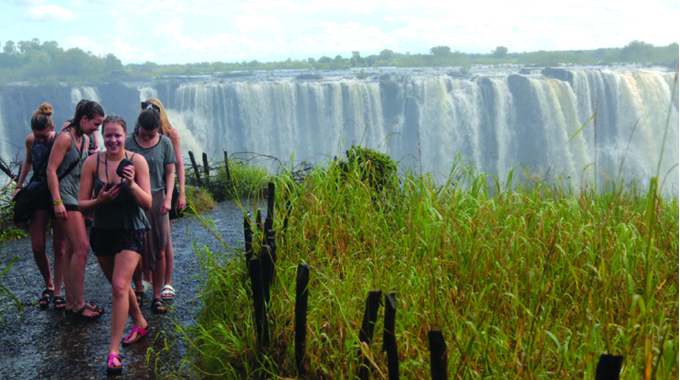
DOMESTIC tourism in Zimbabwe has always been a bit weak and while Zimbabwe is now firmly entrenched in foreign markets as a must-see destination and very good value, Zimbabweans themselves have yet, in general, to acquire the desire to explore their own country and heritage.
There are historical reasons which often still apply.
Rural people tend to travel when they need to visit the nearest town or big city, usually on business.
Most urban Zimbabweans maintain contact with their family rural area, even if the nearest relative there is a second or third cousin, and some have much closer ties, such as grandparents or retired parents or even a sibling.
In the past, tight financial resources usually meant that this modest amount of travel would absorb most of a family’s transport or holiday budget. The colonialists, with their greater access to cash, did travel a lot more and explore the country, although they tried to keep their distance from the people and culture of the areas they visited.
But times are changing, and more Zimbabweans can manage holidays. Even the opening of the economy means that there is less demand to travel to a foreign country to buy consumer goods, these are usually available in a Zimbabwean shop or market. So we are reaching a point where a campaign to encourage Zimbabweans to move around their own country is at least viable and practical.
The campaign, now launched by the Zimbabwe Tourism Authority, with backing from many in the tourism industry, needs to be different from the campaigns to bring in foreign tourists. The authority has recognised this with a separate campaign.
One major difference, right at the start, is likely to be less emphasis on major global destinations in Zimbabwe. In fact, as Zimbabweans move up the middle-income ladder into modest affluence, most will be visiting something like Victoria Falls just twice in their lives, once as a child with their own parents and once as a parent with their children.
A lot of the domestic tourism market will rather be different from just ticking off the major attractions, and will rather be finding interesting and relaxing places to stay for a vacation. This might vary for each family. It might involve some camping and perhaps a resurgence in caravanning and, for many, will almost certainly involve moving a bit off the beaten track.
The tourism industry needs to start thinking seriously about what is needed, and the opportunities that arise when Zimbabweans move around a bit more on holiday. Hardly any Zimbabwean families will be able to afford high-status multi-star hotels for example, and in any case these do not really bring Zimbabweans into contact with local communities, which can be a lot of fun.
So there appears to be a market for safe, clean, respectable but non-luxury accommodation, the sort of thing a family business with some innovative ideas can build up and which can offer a decent holiday to both younger Zimbabweans and to the growing number of families that want to be able to find a helpful host for themselves and their children.
This sort of market will become ever-more important as well for that growing diaspora Zimbabwean community, people, often with children born or at least brought up outside the country, who want to see what is happening back in the old country. Again this is a market that while it might want to pass through Victoria Falls for a day, wants to spend most of their time being Zimbabwean in and around a community.
Both the domestic and diaspora tourist, will probably show more interest in some of the less dramatic historical and cultural aspects of a part of Zimbabwe. Great Zimbabwe will always be one of those must-visit destinations, but a growing number of local tourists will also want to see the less written-up historical past. That again provides an opportunity for the local communities in each area to be agreeable hosts.
On the hospitality side there is a desperate need to build up decent family restaurants offering Zimbabwean dishes, rather than deep-fried or grilled global dishes similar to what you can buy anywhere. This must go beyond, as well, the simple meals offered at the lowest possible price that can be found outside, say, a factory gate.
We have been making a lot of effort to bring forward many of the older traditional dishes, often forgotten or limited to just one small group of families, and to create new dishes using traditional ingredients and cooking techniques. There will be some international tourists interested, but often the main market will be Zimbabweans becoming a lot more knowledgeable and prouder of their own heritages, and wanting to explore these a lot more as they taste the diversity of their own country.
So the tourism authority is right in seeing the domestic tourism market as different, sometimes very different, from the international tourism market, even with, in some cases, high levels of overlap, and the tourism industry needs to respond, with this response often going to come from smaller family businesses that really know what Zimbabweans think and feel; that in itself will be a major economic force.



