admin
adminFor the question arises as to why bakers are importing flour. Zimbabwe has a large milling industry. Given the wheat it can meet the demand for flour. Zimbabwe does have to import wheat. It always has and even in the days of controls on imports, it still had to import almost half its wheat.
Now the controls are gone it is rapidly becoming obvious that irrigated wheat is so much more expensive than imported dry-land wheat, that it makes more sense to use irrigation for other pricier crops and import wheat.
Government is not putting any obstacles for imports of wheat. No duty is levied.
So the smart solution is for bakers to import wheat, have it milled and then use the flour.
Obviously that is slightly simplistic, since there are also markets for the bran and other waste in the milling process, but however, millers and bakers can easily work together to create a pricing formula.
In fact, one major baker actually owns half the nation’s largest miller, so there is a clear advantage to local milling.
The other advantage is that all those people doing that milling are Zimbabweans. So thousands of people can afford their daily bread because Zimbabweans mill imported wheat into flour.
So we think Finance Minister Tendai Biti is quite right to refuse to even start listening, let alone agreeing, to whinging bakers wanting lower duties on imported flour.
Quite correctly he wants duty-free imported raw material processed in Zimbabwe. Not only does Zimbabwe benefit, but also the Finance Ministry itself. That wheat is milled by taxpayers working for a taxpaying company. So we also pick up the taxes, rather than some foreign producer.
In fact, there are logical grounds to charge import duties on flour simply to compensate for the lost income taxes. The fact that a second set of taxes has already been paid in another country will make it more expensive.
But the bakers’ whinging is indicative of a lot of other similar problems. Zimbabwe has a low-wage educated work-force when compared to developed countries, or even most middle-income countries.
Not only do we see people trying to import flour instead of wheat that fairly low technology can transform into flour, but we see the same in other foods. Why do we not import soyabean to transform into cooking oil, for example?
Minister Biti and his civil service advisors have, in fact, set up the duty tables in such a way that raw materials or partly finished products tend to attract zero duties or much lower duties than finished products, for precisely these reasons.
But Zimbabwean consumers are also at fault. We grow vast amounts of cotton, and import cotton fabric. We have a large cattle industry, and import shoes, instead of making our own or, at worst, import hides. Yet it is easy to sort this out.
Our beer industry combines imported hops with Zimbabwean grain and has seen off the import competition; and there are other such examples.
Open trade has many benefits. It ensures that Zimbabwean industries remain competitive in terms of price and quality and offers consumers choice. In the days of controls cosy little monopolies and duopolies milked their customers.
But as several smart Zimbabwean firms have found, it is quite easy to compete against imports without much protection, with duties just at the revenue — raising levels rather than the protectionist levels.
Even the 10 percent on flour is just a revenue tax, rather than attempt to force a stop to imports.
What does make wheat imports more attractive is the zero tax, the special concession, on a vital import. And that is the right way to do it.
It is about time Zimbabwean business people stopped trying to be end-users only and start thinking about how they can create a more stable and flourishing economy.
The more people with jobs, the more business for everyone.


Online Reporter
- Herald
- July 31, 2026
- 7 views
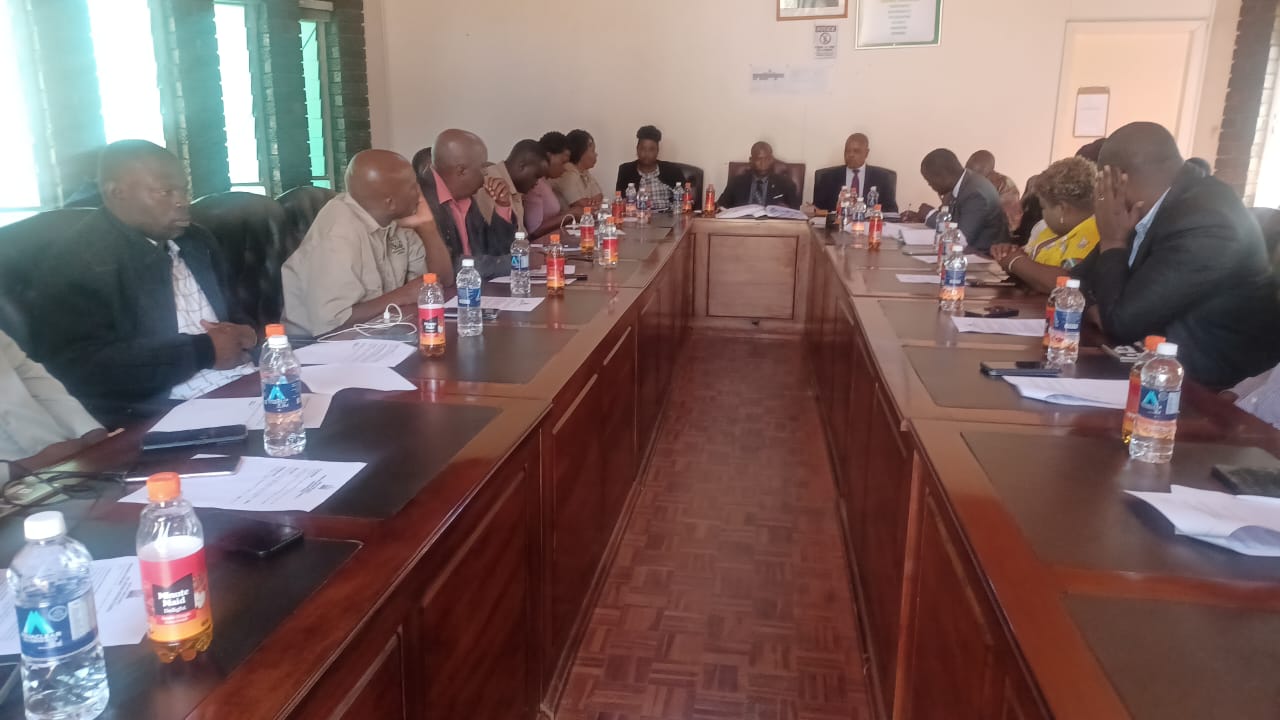
Norton Town Council renews integrity pledges
Diana Nherera Norton Town Council councillors and management on Thursday renewed their integrity pledges as part of the local authority’s commitment to promoting ethical conduct and combating corruption. Speaking…