Online Reporter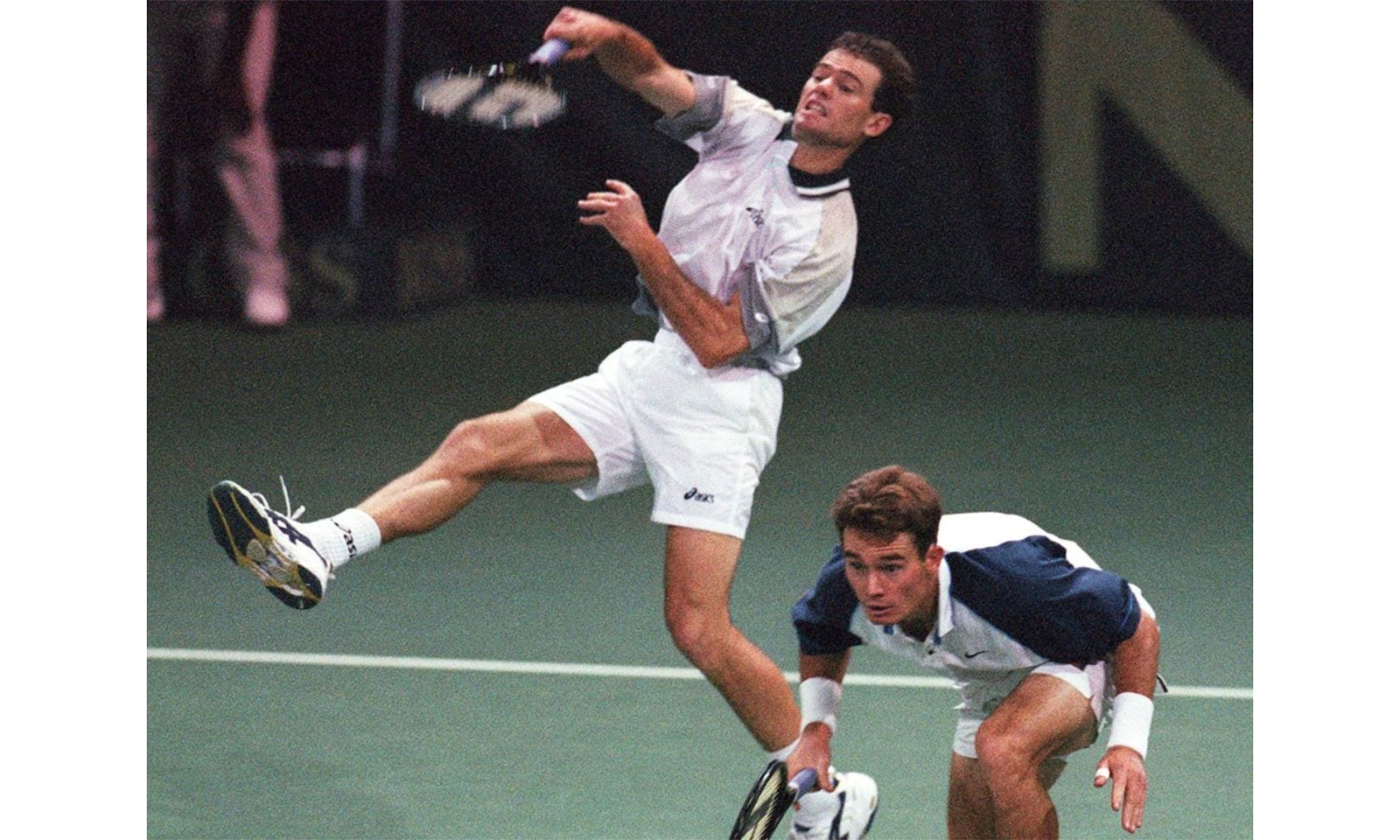
IN 1998, Zimbabwe stood among elite teams of world tennis.
Our Davis Cup team, powered by the brilliance of brothers Byron and Wayne Black, captured global imagination with a fairytale run that saw them reach the quarter-finals of the Davis Cup World Group.
Along that memorable journey, when tennis in this country was rocking, the City Sports Centre in Harare became the venue to be at whenever the Davis Cup team played at home.
And to underline that Zimbabwe were not just good on home soil, the Black brothers beat global powerhouses Australia 3-2 in the quarter-finals, with the duo of Byron and Wayne overcoming the more fancied Jason Stoltenberg and Patrick Rafter in Mildura.
Despite a heavy 5-0 loss to eventual finalists Italy in the next round, Zimbabwe’s sensational victory over Australia remains part of Davis Cup folklore.
At home, the City Sports Centre and Harare Sports Club would erupt with the sound of drum-beating supporters, the atmosphere electric, the sense of national pride undeniable.
In February 2000 that electric atmosphere reverberated beyond just Harare, when the legendary John McEnroe led his United States Davis Cup team to Zimbabwe, with then World Number One Andre Agassi the top player of that ensemble.
It was also McEnroe’s first assignment as captain of the US Davis Cup team following his retirement from active playing and, despite being a first round tie, the encounter had all the global tennis eyes affixed on Zimbabwe and the drum-beating fans led by Martin Dzuwa’s crew from Mufakose.
So good were the Davis Cup team that musician Fungai Malianga composed a song called “It’s the Blacks”, that still has a place in the history of national sporting playlists.
For a while, tennis caught on, and children began improvising nets and rackets to be like Byron and Wayne in the different ghettoes across the country.
The Davis Cup would continue to be a source of national pride even after the Black brothers had left the stage with Kevin Ullyet, Genius Chidzikwe, Zibusiso Ncube and Dzuwa fronting a cast of a generation of players, who also came through the ranks and left their mark, while flying the Zimbabwe flag high.
It is against this background that we find the stories that have been coming out of Tennis Zimbabwe (TZ) worrying and ultimately the performances and results of the Davis Cup team very concerning.
That Zimbabwe are the hosts of a Davis Cup tournament, should as the nation had become accustomed to decades ago, have been the talk of the town.
Alas, the event is sadly passing by, barely noticed even by both young and old tennis enthusiasts.
Today, the picture could not be more different.
Zimbabwe are losing to Davis Cup minnows Senegal, Algeria and Nigeria in the Africa Zone Group III – a far cry from those heady days when the world’s best came to our courts and left humbled.
As reported elsewhere in this publication, yesterday’s defeat by Nigeria, the third time that Zimbabwe have lost by identical 3-0 margins, left the Davis Cup team virtually relegated into the less fashionable world of Africa Group IV.
Resultantly, the grandstands that once overflowed with fans are now characterised by empty seats.
The names of our players no longer feature in Grand Slam draws and the pipeline of junior talent has slowed to a trickle.
We urge the Sports and Recreation Commission to step in and help find lasting solutions that can make TZ the enviable association, for which such people as Albert Nhamoyebonde, Anne Martin, Julius Mashonganyika and the late trio of Don Black, Claudio Murape and Paul Chingoka, worked passionately to uplift the sport.
This is because we believe that part of the answer to the challenges bedevilling the sport lies in the leadership of Tennis Zimbabwe.
For years, boardroom squabbles have taken precedence over the hard, and yet less glamorous work of developing the next generation of tennis players.
Junior development programmes have been sporadic at best, underfunded, and lacking in vision.
Coaching pathways are unclear, facilities outside Harare remain neglected, and the national calendar has shrunk.
The decline is not inevitable — it is the result of choices, or worse, the absence of them.
Other nations with fewer resources than Zimbabwe have found ways to nurture talent, attract sponsors and keep their teams competitive.
Yet we have the history, the facilities and the expertise in our diaspora to mount a revival. What we lack is a united, focused effort.
The Davis Cup tournament in Harare this week should have been more than a sporting event; it should be a wake-up call for all love this fine sport called tennis.
Hosting four other countries means little if we cannot produce players to compete with them.
The players who came before the current crop, showed us that Zimbabwe can stand tall in world tennis. That spirit has not disappeared – it has simply been left unattended.
Coaching legends who include Nhamoyebonde, who built facilities in Mufakose and led to a growth of the sport in the high-density areas, still have a passion and love that can be harnessed.
The ball is in our court.
The question is whether Tennis Zimbabwe will rally for the future or let the game slip away entirely.
That would be a terrible service to a nation that has shown that it can get behind a good sporting cause.