admin
admin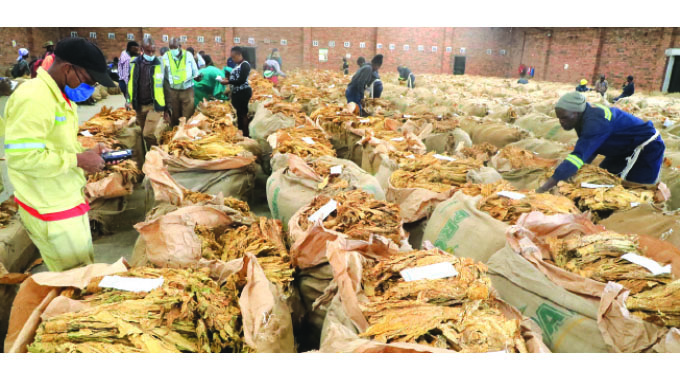
The dramatic narrowing of the trade deficit in June to US$85,1 million from the US$196 million in May shows in a nutshell what is going right in the Zimbabwean economy and where we still need to make further progress.
The trade figures, of exports of US$641,3 million and imports of US$726,4 million, do not tell the full story. There are extra inflows of foreign currency, principally the diaspora remittances, but backed by new external investment payments, that create the positive balance of payments, that is more foreign currency flowing in than flows out. But it would be better if we could export more than we import.
The huge surge in mineral exports since the advent of the Second Republic, almost four times the 2017 figure and being more than four times that figure by year end, has anchored the economic expansion and ensured that what we do have to import can be paid for, with modest top-ups from the diaspora money.
Minerals accounted for the bulk of the June exports, but tobacco was starting to take off although in that month a lot of farmers were still delivering and the merchants were still doing the initial processing of the already delivered leaf.
Over a year tobacco these days is around the third placed export, after gold and platinum group metals. But with lithium mining expanding rapidly and the new processing plant in Goromonzi that will convert lithium ore to the pure lithium carbonate salt that all buyers and users of the mineral want, tobacco is likely to move into fourth place despite the rapid rise in output by the farmers.
Manufactured exports are still very low, as Zimbabwe continues to export raw materials without first converting them to finished products, although there is in both mining and tobacco a lot of emphasis on adding value through the initial processing stages.
ZimStat noted that more efforts were needed to add value before the raw materials were sent out.
Exports, while generally rising, do suffer the odd monthly dips, and there was a 2 percent dip in June.
This is largely a result of when precisely a mining company makes a shipment, plus the mid-year decline in tobacco exports before the surge after almost all the crop is delivered and undergone initial processing.
Diaspora inflows fund a significant slice of the petroleum imports, the major single import group.
While net exporters will use their foreign currency holdings to buy fuel, and more and more businesses can buy their needs from their domestic sales in foreign currency, we still have a lot of individual consumers who rely on what they receive from foreign relatives to fill their tanks, and this is where a lot of the correction to the trade deficit takes place.
June saw a significant drop in imports in any case, roughly US$124 million. Part of this was driven by the growing output of Zimbabwean farmers.
All basic grains, poultry and meat are now home produce, and a growing percentage of the oil seeds and dairy needs are met from our farmers. This cuts imports.
At the same time June saw more realistic exchange rates, although the adjustment went too far later in the month and is now being sorted out, and that made imports more expensive.
This would have encouraged businesses and consumers to seek out the local product, or even to produce it, or to see if there was some other local substitute that could do the same job.
In any case the attitude of just buying the foreign product because it was cheap and around must have seen a major drop. One reason for realistic exchange rates is to encourage local production and expand our farm output and factories, rather than pay foreigners to produce for us.
The general expansion in exports and the general decrease in imports has been ensuring that the economy runs more smoothly and the previous crippling effect in some areas of shortages of foreign currency are largely overcome.
In recent weeks the new system, where banks are now the main source of foreign currency, bought from the pool the Ministry of Finance and Economic Development has made available from the 25 percent of export earnings it buys, has seen more than US$115 million fed into the banking system.
At the same time net exporters buy their imports with their own foreign currency, and increasingly others in the business world raise at least a portion of their own foreign currency through the permitted direct sales in foreign currency if the buyer wishes to follow that route.
So the banks function is largely topping up what their importing customers already earn.
The direct purchases in foreign currency by net exporters ensures another large proportion of export earnings, almost certainly more than the 25 percent that must be sold to the Finance Ministry, enters the general economy as local suppliers take up more of the strain in the supply lines.
We now seem to be on the correct path, but the next crucial step will be to build up local manufacturing with local raw materials, both for local consumption and to add a lot more value to exports.



 Online Reporter