dyton mupawaenda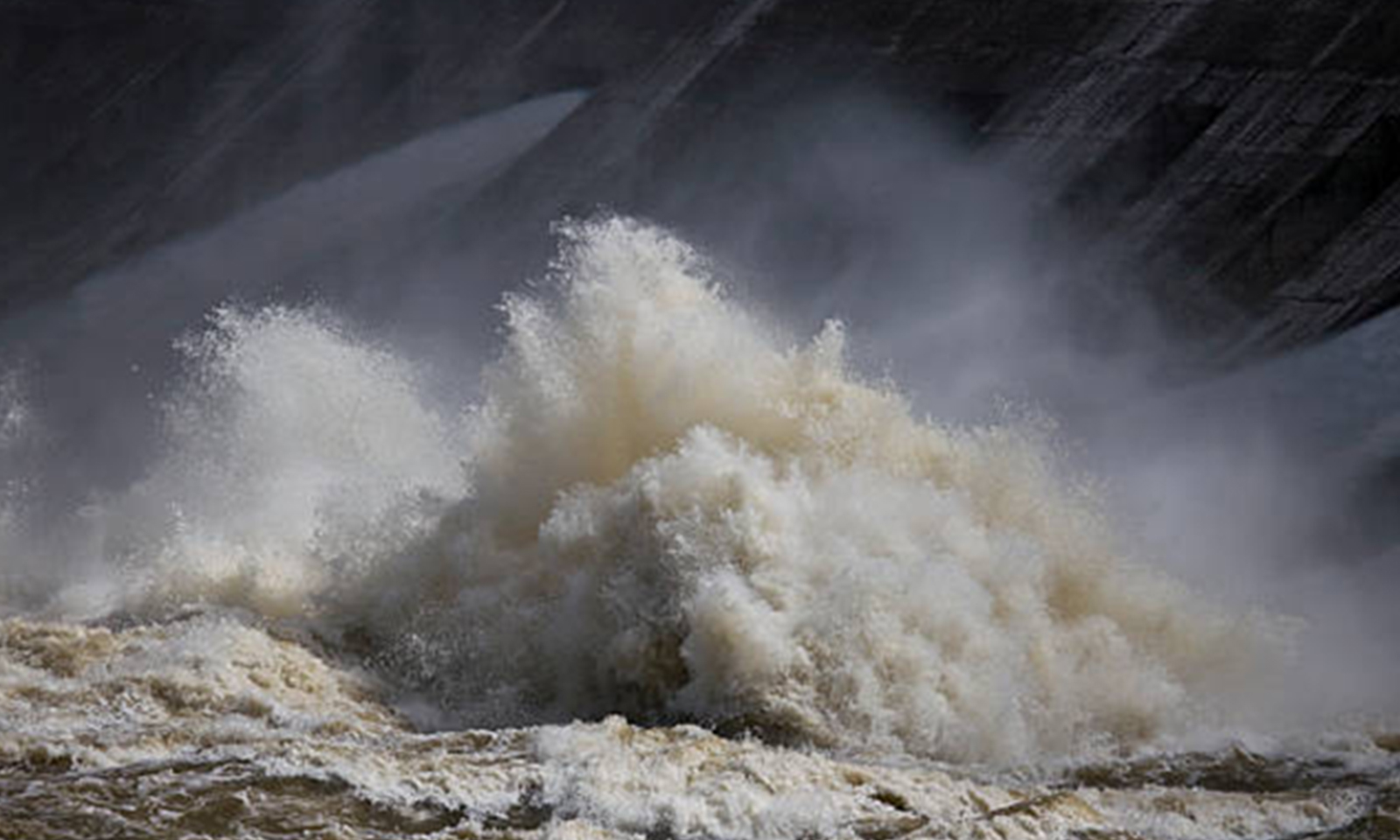
THOUSANDS of farm dams across Zimbabwe are generally safe and some have been used in for many decades with little trouble with the first ones more than a century old.
But as the breach on Bandama Farm in Chipinge this week showed, the dam walls can be cracked. If anyone is in the way when the surge of water flows out of the dam down the bed of the original river or stream, they are in danger of being swept away.
When people from urban areas think of dams, they envision a few dozen large reservoirs that anchor irrigation schemes and supply towns and cities with water. But the overwhelming majority of the more than 9 800 dams in Zimbabwe are small farm dams, many of them on old large commercial farms. Some are on the borders between two commercial farms, plus a small percentage in the communal lands often on or near old mission stations.
The principles of dam construction, or at least of these farm dams, are fairly obvious. A wall of earth and stone anchored on each end blocks the course of a stream or small river or even the run off path when rains are heavy. The anchor points need to be the sides of a valley, or hills or rocky outcrops higher than the projected height of the dam.
Critically, there must be a spillway or firm outlet lower than the dam-wall height which is able to cope with far greater flows than are thought likely, to make sure that all surplus water gets out quickly and the wall is never topped. The channel for the outflow needs to be checked, and sometimes redug, to make sure the outflow does not run against the wall and erode it.
The spillway, or the outlet if the dam owner is lucky enough to be able to divert water around one of the rocky outcrops used to anchor the wall, is normally the one place where erosion is possible under normal circumstances and so this is where rock and concrete tend to be needed.
The rest of the wall just needs to be solid, with no slumping or undercutting or cracks allowing small channels to form that can be eroded into large channels.
Besides the approved design, there needs to be regular maintenance of these dams.
Spillways and overflows have to be kept unclogged, as does the drainage downstream of the dam wall as the overflow rejoins the old water course, and this needs to be done well before it is needed.
At least three small dams have been breached in recent decades within Harare City Council, including the first one ever built in the south of Borrowdale in the 19th Century, largely because the maintenance was dubious.
Old farm dams within city limits usually anchor a wetland and public open space.
Some become bird sanctuaries, when the farmers move off and the developers move in.
Others become features of golf courses and other small dams are built to create these golfing hazards.
The Chipinge dam breach brings up a pair of lessons.
For a start, it would seem sensible that every one of these small dams was inspected every now and again.
The numbers are large, but it should be possible for a small group of qualified engineers to get round them all in two or three years.
This is when bad maintenance can be picked up, the results of bad design half a century ago can be seen, and where the wrong sort of maintenance can be changed.
Often a farmer or community might be very willing to be responsible but simply need to be told exactly what to do.
The other lesson from Chipinge is that one person very familiar with the dam, the security guard, noticed something odd in the way of a lot of dirty water was flowing from the dam shortly before the breach.
This was new to him and in retrospect was probably some sort of erosion through the wall or under the wall.
The guard could not see what was wrong, and in any case was not a technical expert, but he did notice the oddity and did try to raise an alarm. No one listened.
In many tragic circumstances, there are warning signs, something different from what usually happens, and there is no harm done if people worry and take precautions. If it was not anything important, well nothing is lost, but if there is some sort of problem or disaster, people are safe.
These small dams have been a critical component of farming where they were built, usually ensuring that there is some water for irrigation and livestock.
That is why they were built by the large landowners and missionaries.
We probably need a lot more, especially in communal lands and in some of the resettlement areas taken over from landowners who knew little and cared less.
With the smaller farms we generally see these days, that will often mean several farmers share such a dam, even if it is small, and so between them they will be responsible as a community for maintenance and allocating water, not difficult but a set of instructions for the one and rules for the other would seem useful.
All development creates danger, from good roads making accidents more likely as traffic increases and travels faster, to badly built or sited houses that can fall down, to dams that may collapse or be breached. We have learned that we do not stop the development simply because there are dangers, but make sure that everyone knows what they are doing and our technical experts check up and make sure we all know how to work within sensible safety rules.



 Online Reporter