ARTISANAL and small-scale gold miners produce almost three quarters of Zimbabwe’s rising gold output, delivering just over 30 tonnes in the first 10 months of this year and generating value and incomes that help support thousands of people.
The success of this sector rests on a range of Government policies that have done so much to open up small-scale mining to many while clamping down on illegal mining in river beds, under roads and endangering buildings and other developments.
The whole concept of support rests on making legal mining easier while having adequate safety and other rules.
It is working.
One critical aspect has been making it easy for small-scale miners to sell their gold close to where they work and live, getting the full price for guaranteed cash payouts.
Fidelity Gold Refinery, a subsidiary of the Reserve Bank of Zimbabwe, has the monopoly of gold buying in Zimbabwe.
But until it started setting up buying points across the country, that monopoly was largely theoretical, since most small-scale miners were expected to travel long distances carrying their small quantities of gold, usually on public transport, and then go home with the cash, doubling the risk of robbery or being the victim of a con.
The gap was partially filled by others who went out to the gold field to buy it illegally, usually offering prices significantly below the world price although willing to pay cash.
So the small-scale miners were in a bind, they either took risks and spent a lot of time to sell gold legally or were willing to be undercut by illegal private buyers. Either way, the miners lost out.
What Fidelity has now done is to figure out what the artisanal miners needed, and work out how to serve them.
The solution was simple, to go out to the gold areas with all the fairly simple, but required equipment and set up buying points that were welcoming and honest.
So far Fidelity has 24 centres, nine of them exclusively Fidelity operations and the other 15 being in bank branches of CBZ, ZB, and AFC.
The gold miner can walk through the door and after a friendly, but necessary, security check, go to a buying desk where the gold can be weighed, and a simple assay using the specific gravity, the method perfected centuries ago by buyers, establish the actual quantity of gold on offer.
The price is then paid, cash up-front. Everything is out in the open and prices and method can be checked on a mobile phone.
Fidelity also operate mobile buying points outside the small towns in the gold producing areas, enhancing their strategy of going to the miner.
The actual method, of going out to producers rather than expecting producers to come to you, had already by pioneered by the Grain Marketing Board and cotton buyers.
The way to do business is to go to your suppliers and treat them well.
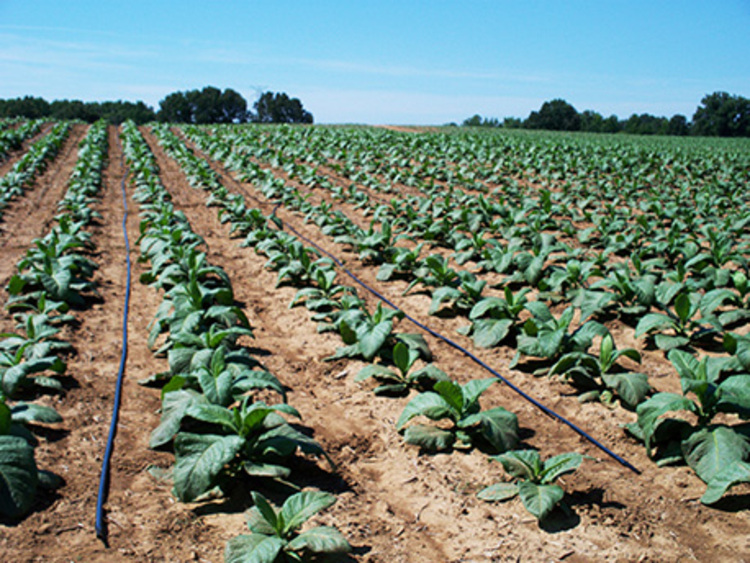
Tobacco contractors are now following the same path, although it took Covid-19 to get them to make the change, setting up auction floors in the small towns across the tobacco belt rather than expecting all producers to pay for transport to Harare.
All this local buying of gold and crops is also keeping a lot of the earned money in the communities where it is made, rather than being spent on dubious deals in the big cities, and that is driving and spreading prosperity across the country.
One easy sign is the rapidly improving rural housing and the growing home comforts and appliances.
There are still illegal sales and illegal buying of gold, but their amount is now thought to be very low and continuing to drop as the legal route is so much easier.
This is not a bad lesson: when people find the legal route easier and better, then they will obviously switch to legal route.
That is both more effective, and cheaper, than trying to force people. Fidelity has largely got it right.
All miners have to pay tax, in the form of royalties, but these are generally low.
Gold has an interesting royalty structure, the fees rising and falling according to the world price.
Small-scale producers pay half royalties, and that payment is made as painless as possible with the small deduction at the point of sale at the Fidelity centre.
So the artisanal miner is also tax compliant assuming that their income after allowable expenses is likely to be in the zero tax bracket.
One major plank of the Second Republic’s economic policy is to encourage Zimbabweans to find innovative ways of earning a living, and then to help formalise their operations so they can operate even more effectively and can start accessing bank accounts and finance facilities as they expand their businesses.
Again those receipts from Fidelity are foundation documents in more formal business relationships, proving output and giving unassailable evidence of just how much gold any producer is mining.
This is now even more critical as practical finance facilities are being opened by banks, with a modest guarantee from the State.