Nyasha Simbisai
Agriculture Correspondent
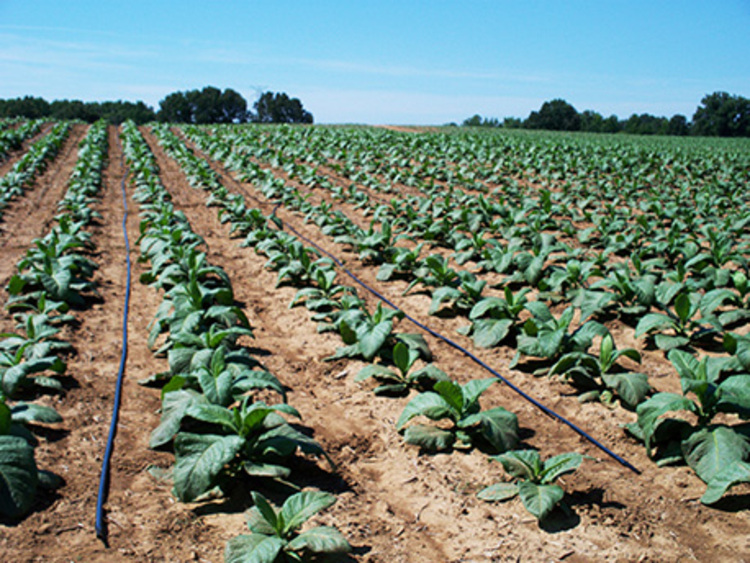
Farmers have transplanted more than 25 000 hectares of tobacco under irrigation for the 2026/27 season, with the crop maintaining good condition despite a prolonged dry spell.
This comes as the Government intensifies preparations to sustain production amid forecasts of a potentially super El Niño phenomenon.
The irrigated tobacco crop has remained largely unaffected by the dry conditions, with farmers continuing with transplanting using available water resources.
Recent rainfall is expected to support the transition into rain-fed production.
Agricultural Development Advisory Services (ADAS) chief director in the Ministry of Agriculture, Mechanisation and Water Resources Development, Mrs Medlinah Magwenzi, said the current crop was progressing well, although planting operations were trailing behind the corresponding period of the previous season.
She said the more than 25 000 hectares already transplanted were predominantly under irrigation, making the crop less vulnerable to the dry spell experienced during the early stages of the season.
“Whatever severity the El Niño phenomenon may bring, what is important is planning.
“The dry spell did not affect tobacco because we were irrigating. It was not rain-fed, so the effects are not yet being seen in terms of production challenges. The crop is looking good and we are hopeful that it will do well.”
Mrs Magwenzi urged growers to take advantage of the recent rains to accelerate transplanting.
She said the rains had provided adequate moisture for transplanting, urging farmers to utilise the available planting window while observing the crop’s production calendar.
Tobacco production follows a defined seasonal schedule, making timely transplanting important for farmers seeking to achieve optimum yields and maintain the quality of their crop.
According to the Tobacco legislation as stipulated by the Plant Pests and Diseases Act (Chapter 19:08), the earliest sowing date in the tobacco seedbed is June 1 of every year and not earlier, while September 1 is the earliest transplanting date in the field.
Farmers are also required to have cleared tobacco grading sheds and storage facilities by October 31 every year so that the cycle of pests such as the tobacco beetle that eats tobacco when it is in the barn or storage facility is disrupted.
Mrs Magwenzi said farmers should not delay operations while waiting for further rainfall, particularly given the importance of completing transplanting within the recommended production period.
“Tobacco is not a year-round crop. It has a timeline, a start and an end.
“Farmers are taking advantage of these rains, which are adequate for transplanting. We are encouraging them to utilise this opportunity as we monitor progress,” she said.
The performance of rain-fed tobacco will provide a further indication of how the 2026/27 crop is responding to prevailing weather conditions, particularly as concerns mount over forecasts of a potentially severe El Niño-induced drought.
Unlike irrigated tobacco, rain-fed production is directly dependent on rainfall distribution and soil moisture availability, exposing the crop to greater weather-related production risks.
The transition into rain-fed transplanting is therefore expected to be an important phase in determining the overall performance of the national tobacco crop.
Mrs Magwenzi said the current state of the irrigated crop remained encouraging, with Government monitoring developments as the season progressed.
The Government has consistently emphasised the importance of climate-smart agricultural practices, irrigation development and timely agronomic operations in strengthening the resilience of agricultural production systems.
The tobacco sector remains an important contributor to Zimbabwe’s agricultural exports, foreign currency generation and rural livelihoods, with production performance directly influencing incomes across the farming value chain.
Mrs Magwenzi said the broader objective remained transforming farmers from subsistence-oriented production towards commercially viable agriculture, with tobacco providing opportunities for improved household earnings.