admin
admin

PROBLEMS at public health institutions are well documented. Since the turn of the millennium, Zimbabweans have watched as conditions at government hospitals deteriorated at a frightening pace, rendering most of them death chambers. A decade of economic challenges decimated the country’s health delivery system but even before then, the state of public health institutions was parlous to say the least. There was low morale among staff, shortages of medical and surgical sundries and the infrastructure was dilapidated, worn down by years of neglect.
The economic downturn which manifested itself between 2000 and 2008 only exacerbated the collapse of an already haemorrhaging health sector and took it into the intensive care unit. Despite the best of efforts, the country’s health delivery system is still to recover to this day. This is a sad state of affairs and a radical approach is needed to save our hospitals.
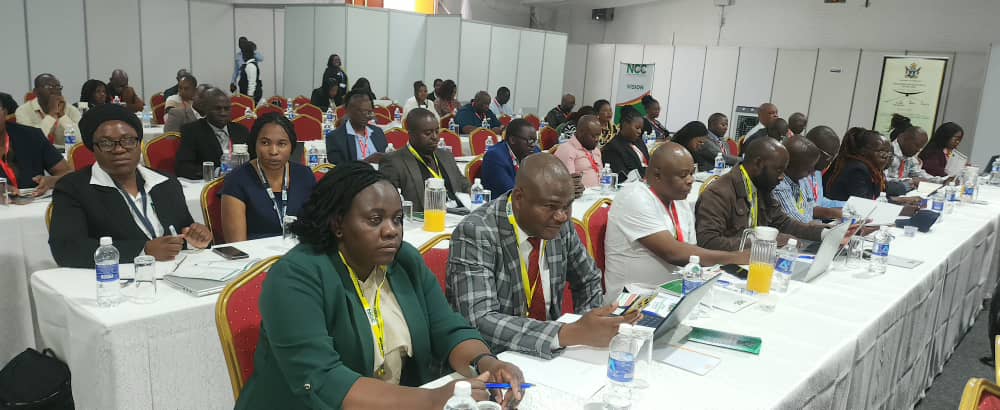
This week, the Parliamentary Portfolio Committee on Health and Child Care was in Bulawayo on a fact-finding mission. Here, it was met by the grim reality that our public health institutions are still virtually on their knees. Not that they should be overly surprised because its chair Dr Ruth Labode is a former public official in Matabeleland North where she was Provincial Medical Director for a long time. But revelations that officials at the United Bulawayo Hospitals, Mpilo and Ingutsheni have misplaced priorities should be of concern to the Committee as it rightly noted.
While government is struggling to resuscitate its hospitals and donors are chipping in with much needed assistance, a combination of apparent maladministration and opulence is derailing those efforts. The Committee discovered that massive stocks of drugs expired under questionable circumstances while being kept in storerooms at the three institutions. These include life-prolonging anti-retroviral drugs, Nifedipine capsules and Albendazonle for children as well as devices such as syringes and catheters.
At UBH, the storeroom in which expired drugs were stored had been cleared up and the drugs burnt amid allegations that the institution attempted to conceal evidence ahead of the committee’s visit. Luckily, the fire had not destroyed all the drugs when the lawmakers visited, exposing the apparent poor management at the hospital.
Members of the committee expressed disbelief at the sight of drugs being destroyed, some of which included ARVs. At Mpilo, the committee was told that there was a room filled with expired drugs, but could not conduct an inspection due to lack of time. MPs were told that the expired drugs were donated by the European Union.
Dr Labode said it was sad that even ARVs had been allowed to expire. “We observed that a lot of drugs expired in the institutions and it is very sad. Our government can’t buy drugs because of budget constraints and the few we receive from donors are being allowed to expire in these hospitals,” she said, adding that there was a need for close monitoring of the health institutions to ensure that proper drugs are received and are used on patients. “The other thing is that the sisterhood is no longer there among these health institutions. In the past we would consult each other and send drugs where they were in demand before they expired,” she said. Indeed, it appears there is lack of coordination among government hospitals because stocks of drugs such as ARVs can easily be moved around the three Matabeleland provinces depending on demand.
The chaotic management of these institutions also exposes them to pilferage of drugs and other medical sundries. In the same vein, there appears to be misplaced priorities on the part of senior management. The decision to hire top of the range Mercedes Benz vehicles for the three chief executive officers of Mpilo, UBH and Ingutsheni from CMED at a cost of $6,900 a month does not make economic sense considering that they could easily use the money to buy the same vehicles or better ones from car dealers.
Huge fuel and cellphone allowances at a time when the institutions are struggling to survive also expose the CEOs to scrutiny. We expect better from them particularly now that government is averse to anything which might be construed as looting of public institutions. Their priority should be getting the three hospitals on a sound footing not lining their pockets with obscene perks.


 Online Reporter