Online Reporter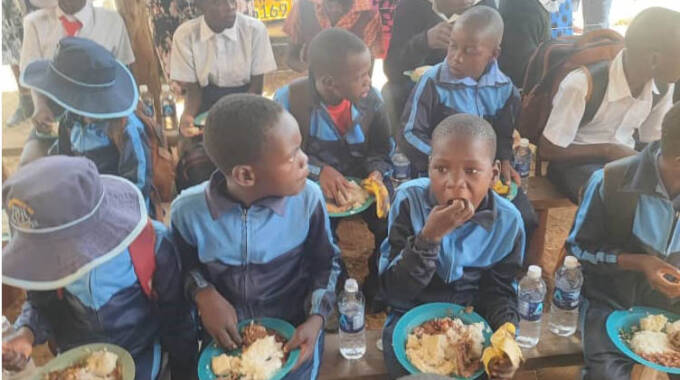
EVEN with decent harvests reaped from the last rainy season, the advantages of providing a decent and nutritious hot meal to all schoolchildren every day have become so obvious that the meal programme is being continued and entrenched in the learning system.
As a universal programme, it was introduced a little over two years ago after the devastating 2023-2024 drought to keep hunger at bay and make sure all children, regardless of who their parents were or what they earned, had an adequate hot meal sometime in the school day, normally in the morning.
This was one of the many practical applications of the core national policies of the Second Republic that no one should be left behind, especially the child from a very poor family, and that the most severe forms of poverty should be ameliorated while other policies were building up average incomes and moving everyone up the ladder towards at least minimum prosperity.
The original limited goals succeeded, but a raft of other benefits was soon seen. For a start, absenteeism declined sharply, as children were far more willing to make the effort, and in some areas, mostly the more remote rural areas, this was a major effort, to come to school.
Secondly, teachers saw more attentive classes when there were no children distracted by hunger and all were able to concentrate on the lesson.
Participation became more common, as all children were alert. Those two benefits immediately ensured, in both human terms and in the sort of calculations that accountants relish, that full benefit was being derived from the very large allocations for education in the national budget.
The world that most of our children will be facing and living in for several decades after leaving school will require decent levels of education, and if they have been able to concentrate in class and attend all classes, then they obviously have a better start.
Since the school meal did have to be nutritious and balanced, as well as hot and filling, the meal was more than just a way of averting hunger, but also filled gaps in diets.
These were highly practical benefits and any would have justified continuing the programme; together they made it certain that all schools would want to continue.
Other benefits included the growth of the school community as more parents became practically involved through supplying extras, such as the vegetables for relishes, and in a lot of cases willing to take a turn in a cooking roster.
Some parents were able to help with initial land preparation, probably important at primary schools where adults are needed, and be able to offer modest inputs that added together were enough. Again all the benefits were positive.
Schools also found the children were more motivated in practical lessons involving farming and gardening. When they were growing vegetables and other crops in the school gardens some of the produce would eventually end up on their plates. So they could see the whole process, from planting seed to eating the harvest.
That helped them focus on these additional lessons; it makes a lot of difference when you are applying classroom lessons to be able to see how high a quality your final produce can be by eating what you grow.
Government helped out with bulk food supplies, especially in the more remote and poorer rural areas, but even here parents would have to help out and provide, or the children would have to grow in the school garden, many of the fresh extras.
Even in urban areas, State schools have enough land for a reasonable vegetable garden and the spread of boreholes in both rural and urban schools ensures that many have an adequate water supply. It all fits together.
Even when schools had to provide more of the ingredients, they could be helping local communities with a modest market. The meals were never meant to be some sort of luxury, the stress being on nutrition, so they were not expensive.
That might give one extra and very practical lesson, on how to prepare a decent meal for the minimum cost, a useful skill for later life regardless of how prosperous that later life might be.
So even in good years the meal programme is still a collection of pluses while in the bad years it becomes a vital link in that Government chain of policies to ensure that no one goes hungry, no one is left behind. That means it must be continued and enhanced.


 Bongani Ndlovu