Online Reporter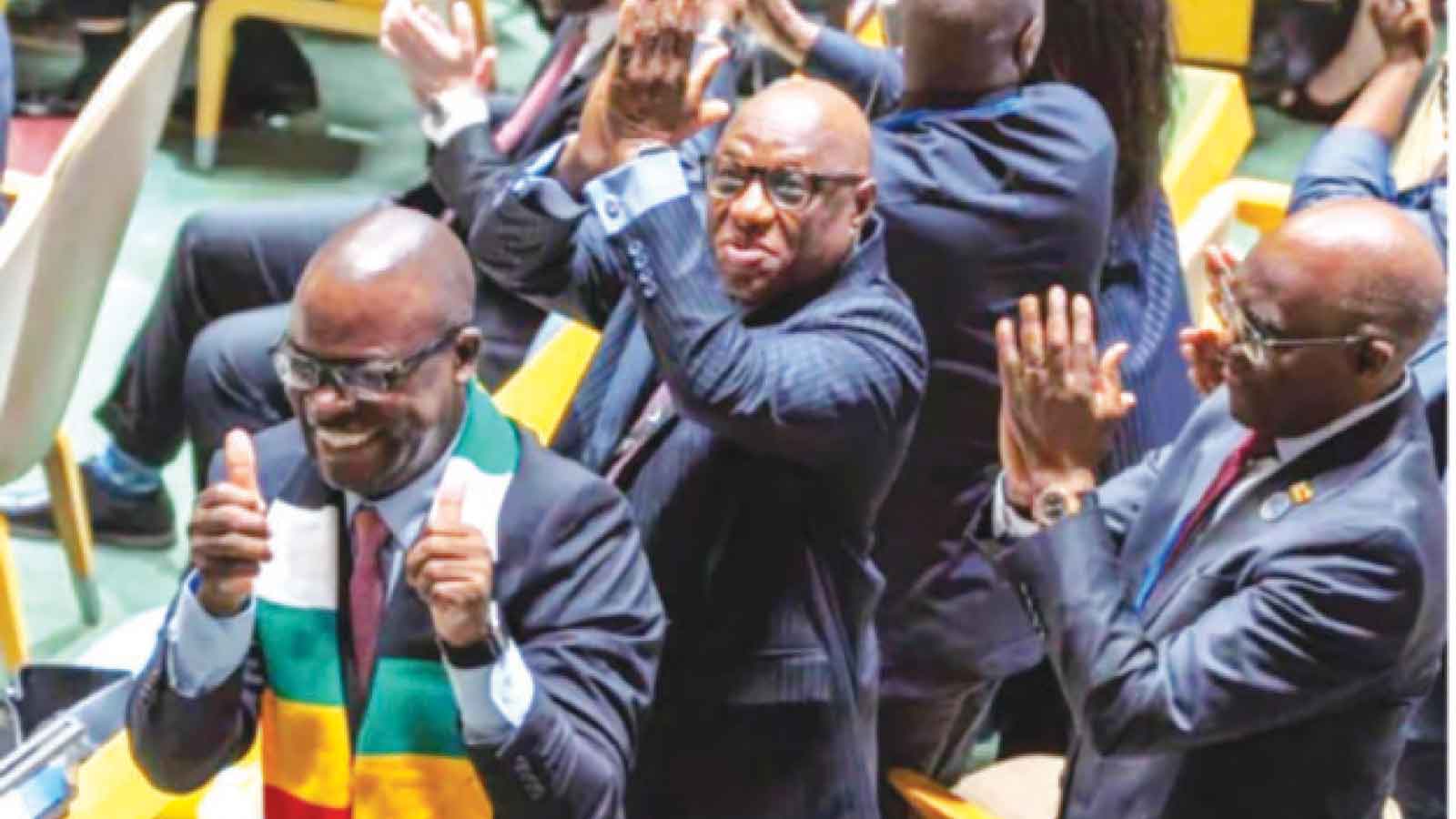
Richard Muponde
Zimpapers Politics Hub
ZIMBABWE’S election to the United Nations Security Council for the 2027-2028 term is more than a diplomatic triumph for Harare, but represents a strategic opportunity for Africa to consolidate its position in global governance at a time when the international system is undergoing profound transformation.
With 182 votes out of 190 cast, Zimbabwe secured one of the strongest endorsements in the election, signalling growing international confidence in both the country’s diplomatic outreach and Africa’s collective aspirations for a more representative world order.
The victory comes against a backdrop of escalating geopolitical tensions, including the protracted conflicts in the Middle East, the war in Ukraine, instability in the Sahel region, growing competition between major powers and increasing demands from developing nations for a fairer international system.
A strategic opportunity for Africa
For decades, Africa has argued that global institutions created after the Second World War no longer reflect contemporary realities. Despite comprising 54 countries and more than 1, 4 billion people, Africa remains without a permanent seat on the Security Council.
Zimbabwe’s entry into the council as part of the African representation bloc therefore provides another platform through which the continent can advance the long-standing demand for reform of the United Nations system.
The Ezulwini Consensus and the Sirte Declaration have consistently called for at least two permanent seats for Africa with full veto powers and additional non-permanent representation.
The election of Zimbabwe strengthens the continent’s collective diplomatic weight. Working alongside fellow African members, Harare will help ensure that African perspectives are incorporated into discussions concerning peacekeeping, conflict resolution, sanctions, humanitarian interventions and global security frameworks. In many respects, Zimbabwe’s seat is Africa’s seat.
President Mnangagwa’s vision of a fairer global order
President Mnangagwa has framed the victory as a validation of Zimbabwe’s foreign policy doctrine and an opportunity to advance international cooperation. Writing after the election, President Mnangagwa declared.
“Today, Zimbabwe marks a significant diplomatic milestone as the nation has been elected as a non-permanent member of the United Nations Security Council, garnering 182 out of 190 votes.
“This resounding victory underscores the effectiveness of our engagement and re-engagement agenda, demonstrating the global community’s confidence in Zimbabwe’s leadership and commitment to international peace.”
Significantly, the President linked Zimbabwe’s success to broader African interests. “As Harare assumes its seat on the global stage, Zimbabwe is poised to contribute meaningfully to international peace, security, and multilateral cooperation, championing a fairer and more equitable global order while amplifying Africa’s voice.”
These remarks reflect an understanding that Zimbabwe’s tenure will be judged not only by how effectively it represents national interests, but also by how successfully it advances continental priorities.
The Global South finds a stronger voice
The significance of Zimbabwe’s election extends beyond Africa. Across Asia, Latin America, the Caribbean and parts of the Middle East, there is increasing frustration with what many perceive as unequal global power structures. The Global South has become more assertive in recent years.
Zimbabwe’s presence on the Security Council offers another avenue through which these concerns can be articulated. Issues such as sanctions, sovereign equality, debt justice, climate financing and development funding are likely to feature prominently in future debates.
The country’s long-standing emphasis on sovereignty and non-interference aligns closely with the concerns of many developing nations that seek a more balanced international system.
The Middle East Crisis and the need for new perspectives
One of the greatest tests facing the Security Council today is its ability to address conflicts in the Middle East.
The ongoing humanitarian catastrophe in Gaza, persistent tensions involving Iran, instability in Syria and broader regional security concerns have exposed deep divisions among major powers. The frequent use or threat of veto powers by permanent members has often paralysed collective action.
This reality underscores the importance of expanding the influence of non-permanent members and regional voices. Africa brings unique experiences to discussions on conflict prevention, reconciliation and peacebuilding. Many African countries have developed innovative approaches to mediation and post-conflict reconstruction that can enrich global security debates.
Zimbabwe’s participation therefore comes at a time when fresh perspectives are urgently needed to bridge divisions and promote diplomatic solutions.
Lessons from Zim’s previous Security Council terms
Zimbabwe is not a newcomer to the Security Council. The country previously served during 1983-1984 and again in 1991-1992. Those periods coincided with significant global transitions. During its first term, the world remained firmly entrenched in the Cold War. During the second, the international system was adjusting to the collapse of the Soviet union and the emergence of a unipolar order.
Zimbabwe used those opportunities to advocate for African liberation struggles, decolonisation and the rights of developing countries.
Its return to the council more than three decades later occurs under vastly different circumstances. Today’s world is increasingly multipolar, characterised by shifting alliances, technological disruption, climate-related security threats and renewed competition among major powers. This evolving environment presents Africa with both challenges and opportunities.
Endorsement of Zim’s diplomatic re-engagement
The overwhelming vote received by Zimbabwe cannot be separated from the country’s diplomatic outreach under the Second Republic. Foreign Affairs and International Trade Minister Professor Amon Murwira described the result as a major endorsement of the country’s foreign policy.
“It’s a big endorsement of Zimbabwe’s policy of being a friend to all and an enemy to none.” That principle resonates in a world increasingly divided by geopolitical rivalries. Nations capable of maintaining constructive relations across ideological and regional divides are becoming valuable mediators and bridge-builders. Zimbabwe’s election suggests that many countries view Harare as capable of playing such a role.
Zimbabwe’s election thus becomes a continental achievement rather than merely a national one.
Consolidating Africa’s place in the emerging World Order
The true significance of Zimbabwe’s Security Council seat will ultimately depend on how effectively it is used. The continent now has an opportunity to move beyond advocacy and translate influence into tangible outcomes.
Africa can use this platform to push for Security Council reform, mobilise international support for climate adaptation financing, advocate for equitable development policies and champion peaceful resolution of conflicts.
Equally important, Zimbabwe can help ensure that African issues are discussed through African lenses rather than external perspectives. The election arrives at a historic moment when the global balance of power is gradually shifting.
Developing nations are demanding a greater role in shaping international norms and institutions. Africa, with its growing population, expanding economies and strategic resources, is increasingly central to that transformation.
A defining moment for the continent
Zimbabwe’s election represents far more than a diplomatic success. It is a symbol of Africa’s growing relevance in global affairs and a reminder that the future of international governance must be more inclusive and representative. President Mnangagwa’s assertion that Zimbabwe will work towards “a fairer and more equitable global order while amplifying Africa’s voice” captures the broader significance of the moment.
The seat offers Africa an opportunity to influence decisions on war and peace, development and security, sovereignty and justice. It provides the Global South with another advocate in one of the world’s most powerful institutions. The challenge before Africa is clear: to transform representation into influence and influence into lasting change. The continent has secured a voice. The next task is to ensure that voice helps shape the future of the international order.


 Bongani Ndlovu