admin
admin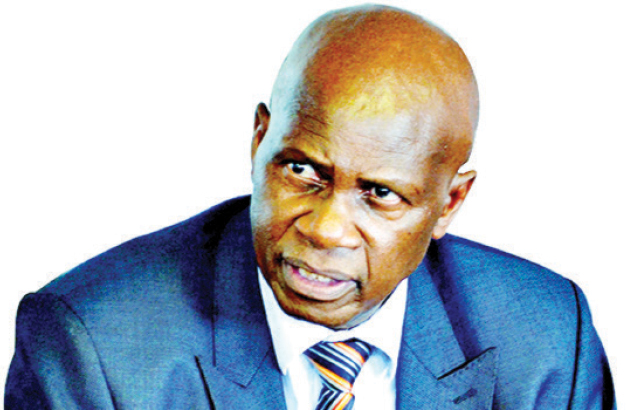

Speaking in Parliament on Tuesday, Finance and Economic Development Minister Patrick Chinamasa said the economy is showing signs of recovery. He singled out the fertiliser, edible oils, clothing and textile manufacturing sectors and horticulture.
“The manufacturers of local fertilisers are expected to boost production by between 30 and 44 percent by year-end,” said Minister Chinamasa responding to questions from MPs on the Mid-Term Fiscal Policy Review statement that he presented in July. “This is expected to result in a reduction of prices. I have a commitment from manufacturers that prices will go down by 20 percent.”
Already, the fertiliser industry has reduced prices of the commodity by six percent.
On the clothing manufacturing sector, he said:
“A recent visit to Bulawayo showed that production is picking up and some of the manufacturers I was talking to said they were supportive of the measures. They said they were actually importing machinery from collapsed South African companies that were also affected by the importation of second had clothes.”
He attributed the positive developments in the textiles industry to the government’s recent ban on the importation of second hand clothes that local manufacturers complained were taking much of their potential business. Second hand clothes are cheaper than new, locally made ones, so customers were flocking to the informal market to buy.
The ban, the minister said, was one of the most painful policy decisions he has ever made “but you cannot talk of reviving textile industry in Bulawayo and other towns and talk of importing second hand clothes at the same time. You cannot have your cake and eat it at the same time.”
At a micro, personal level, there does not seem to be much improvement in the economy. Rather, following the mass dismissals after the July 17 Supreme Court ruling, the majority are not really enthusiastic. That is understandable but even in that desperate, painful situation we have reason to believe.
But one issue that Minister Chinamasa highlighted that we strongly feel is very important as the government works to resuscitate the economy is to ensure that all revenue due to the State is deposited into the Consolidated Revenue Fund (CRF).
The scenario where some government departments are retaining money they collect from the public is fraught with loopholes. Some sensitive departments might justify the need for them to retain the revenue they generate since Treasury does not often release money to them as promptly as they want, but in the prevailing difficult economic environment where government revenue is tight and Zimra is having to adopt draconian strategies to collect taxes to meet public expenditures, every cent must count.
“That is a proposal that we will look at in the 2016 national budget to have all the revenue coming through the Consolidated Revenue Fund,” the minister said.
We agree with him.
Depositing all government revenue into the CRF is standard practice across the world. There is no harm in us adhering to that practice. It promotes transparency and accountability.
At this stage no one knows for certain how much money the departments that are retaining the revenue collect from time to time and how diligently they are using it. Are they actually using it for genuine operations or some of it is enriching the elite in those departments? Is there a system by which they report to authorities the money they raise and how it is spent? If it is there, what sanctions are there if reporting procedures are flouted? We are unsure, but the multiplicity of stand-alone revenue funds creates just the right conditions for abuse of scarce public funds.
In addition to fostering a culture of transparency and accountability, we argue that putting all government money into the CRF gives planners a clear understanding of the level of revenue being generated and how to best prioritise spending.
When the economy is as challenged as is the case now, it is critical for every cent to work towards economic recovery. Attaining this goal can be difficult if every department is doing its own thing. There has been an argument that some government departments must be allowed to collect and keep revenue because they are sensitive. We recognise that some have unique mandates that need unique treatment. That is why the government allowed them to collect fees and keep a fraction of it. This was very noble especially at the time when the economy was at its worst and operating conditions were inimical to the wellbeing of the departments. That phase is behind us.
Good governance demands we do so and the National Code on Corporate Governance says that be done.
Minister Chinamasa’s pledge to seek consensus on this matter and to possibly ensure that the 2016 national budget does away with revenue retention outside the CRF is good. Between now and January next year, the departments will have enough time to reposition themselves to the new system without unnecessarily disrupting their operations.


 Online Reporter