Online Reporter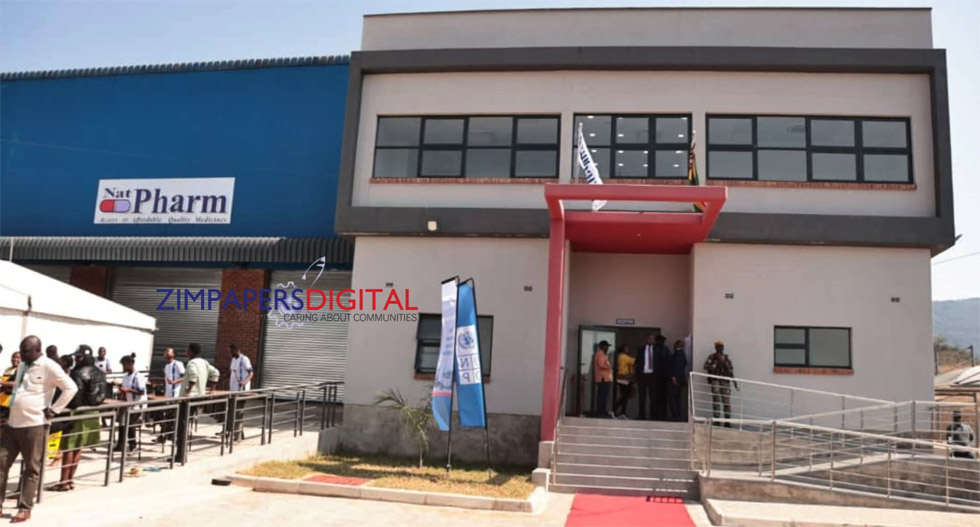
LAST Saturday ‘s commissioning of the National Pharmaceutical Warehouse and Mega Market Flour Milling Plant in Mutare by President Mnangagwa marks a pivotal moment in Manicaland’s economic and social trajectory.
These two strategic projects, launched on the sidelines of the 22nd ZANU-PF National People’s Conference, are emblematic of the Second Republic’s commitment to infrastructure-led development and its broader Vision 2030 agenda.
The NatPharm Warehouse, a US$6,96 million investment built in partnership with the United Nations Development Programme and the Global Fund, is now the second-largest pharmaceutical facility in Zimbabwe. Strategically located adjacent to Victoria Chitepo Provincial Hospital, and positioned as a gateway to the Indian Ocean via Beira, the warehouse is designed to streamline the distribution of essential medicines across the country.
This, not only enhances healthcare delivery in Manicaland, but also positions the province as a critical node in the national medical supply chain. Improved access to pharmaceuticals will reduce disease burden, increase productivity, and ultimately contribute to Gross Domestic Product (GDP) growth through a healthier workforce.
Improved access to pharmaceuticals is a cornerstone of public health advancement and economic development. When communities gain reliable and equitable access to essential medicines, the ripple effects extend far beyond the healthcare sector, touching every facet of society—from individual well-being to national productivity and GDP growth.
At the most fundamental level, access to pharmaceuticals directly reduces the burden of disease. In regions where preventable and treatable illnesses such as malaria, tuberculosis, HIV and AIDS, and chronic conditions like hypertension and diabetes are prevalent, the availability of appropriate medications can dramatically lower morbidity and mortality rates.
Timely treatment prevents complications, shortens recovery periods, and reduces the need for costly hospitalisations. This, not only improves quality of life, but also alleviates pressure on healthcare systems, allowing resources to be allocated more efficiently.
A healthier population is inherently more productive. Workers who are free from debilitating illness are better able to contribute consistently and effectively to the labour force. They experience fewer sick days, maintain higher energy levels, and are more likely to engage in long-term employment.
For employers, this translates into reduced absenteeism, lower healthcare costs, and improved output. In sectors such as agriculture, manufacturing, and education—where physical and cognitive performance are critical—access to pharmaceuticals can be the difference between stagnation and growth. The economic implications are profound. As productivity rises, so does output across industries, contributing to GDP growth.
Healthier populations also stimulate consumer spending, as individuals are more inclined to invest in goods, services, and experiences when they are not burdened by illness.
Additionally, improved health outcomes attract foreign investment, particularly in sectors like tourism, agriculture, and manufacturing, where workforce reliability is paramount. Government benefits too, as increased economic activity boosts tax revenues, enabling further investment in infrastructure, education, and public services.
Equally transformative is the US$25 million Mega Market Flour Milling Plant, which significantly boosts the province’s agro-industrial capacity. By increasing the availability of fast-moving consumer goods and supporting local grain producers, the plant is expected to stimulate agricultural output, create employment, and reduce dependency on imports.
This kind of industrial investment has a multiplier effect: it catalyzes ancillary industries such as packaging, logistics, and retail, thereby expanding the economic base of Manicaland and enhancing its contribution to national GDP.
Beyond the economic metrics, the social impact of these projects is profound. The projects symbolise more than bricks and mortar—they represent hope, resilience, and a tangible shift toward inclusive development.
For young people, they offer new career paths; for families, they promise better healthcare and food security; and for entrepreneurs, they open doors to new markets and partnerships.
In essence, the commissioning of NatPharm and Mega Market is not just a celebration of infrastructure—it is a declaration of intent.
It signals that Manicaland is no longer on the periphery of national development, but is emerging as a dynamic contributor to Zimbabwe’s economic renaissance.
These projects are a testament to what targeted investment, strategic planning, and political will can achieve when aligned with the aspirations of the people.