admin
admin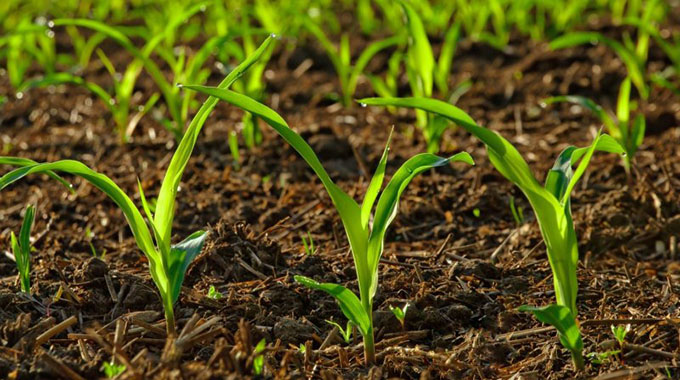
HEAVY rains have now fallen across much of Zimbabwe and that startling annual miracle, of the whole world suddenly turning green, has once again brought hope to our farmers and the rest of the country.
Most district and ward agricultural officers have now given farmers the go ahead to plant, the accumulated rainfall having reached 20mm with some rain at least falling in the last 10 days, and inputs having reached most farmers who qualified for them.
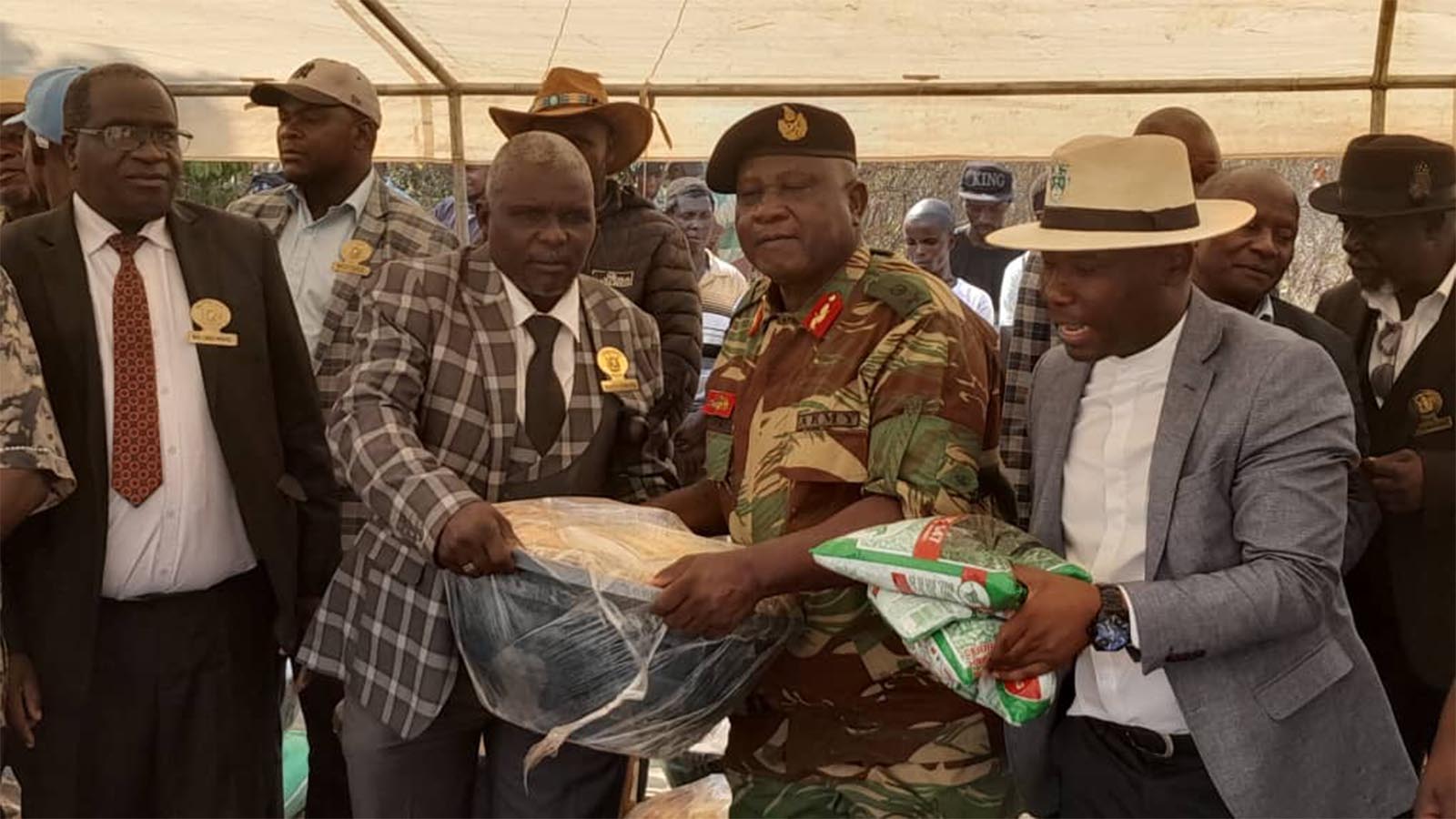
The Government, through the Ministry of Lands, Agriculture, Fisheries, Water and Rural Development has, under the Second Republic, been making sure that inputs are procured on time and delivered to the Grain Marketing Board depots before they are needed.
The final distribution is now done through ward committees who ensure all who qualify get them and that any potential problems are eliminated in advance.
Farmers will still be getting further inputs, the initial fertiliser deliveries, for example, being the basal fertilisers with the top dressing to come later.
The centralised procurement and distribution also means farmers are getting the seed for right varieties of the right crops, the agricultural experts in the Ministry being ever more determined to minimise risk and eliminate wishful thinking and making sure that every farmer has a very good chance of a decent harvest. Self-financed farmers can take risks if they wish, although most accept the advice of experts when it comes to choosing the right seed for the right crops and the right fertilisers.
So the Government has done its part, making sure the advisors and trainers are on station, the right inputs were selected for each ward in each district, and these inputs were delivered on time.
That was a remarkable logistical achievement, now done routinely with smooth efficiency although each year there are improvements as everyone is continually learning.
But we have now moved from the planners and the summer cropping is in the hands of the farmers, the people who do the hard work. They had to prepare their land in advance, to qualify for inputs, but with the guarantee that inputs would arrive in time if they did that backbreaking labour.
Now most are planting, and as the season progresses they will be caring for their crops, everything from weeding to mulching, to following every known way of harvesting water.
Even with a good season predicted, there will still be dry spells and patchy rainfall at times, hence the stress on conservation agriculture so that every drop is used and on water harvesting, so that whatever comes from the clouds is made best use of.
In some ways this determination by farmers to carry on and get moving as the rains fall is a lesson to us all. Last year they pulled out all stops, prepared their land and planted, and saw the worst drought for more than 40 years with harvests slashed and in many cases crops failing. And yet after that disaster they are ready to try again.
Farming is not an easy business, at any level, and it needs a particular attitude and willingness to work very hard to be a success. Fortunately we have that in the large core group that is now carrying our hopes for a decent season.
Of course successful farmers need to be rewarded. The Government has predicted that with the better rains and better harvests, the economy will grow 6 percent next year.
That jump in national value is what our farmers are paid, and their incomes as they bring the harvests in will drive a lot of other development in Zimbabwe.
The Second Republic has seen backing smallscale farmers as the best way of driving rural development.
Money is pumped into rural communities as farmers harvest and sell crops, and while farmers are the primary producers, they also spend their money, buying goods and services, and that allows others in their communities to earn a living. As we move towards our Vision 2030 of an upper middle income society, the percentage of farmers in every rural community is likely to fall.
In developed countries with small intensively-farmed properties, a minority of the rural population are farmers, the rest processing the crops, maintaining the machinery and providing all the other markets and services that farmers need. But the farmers still drive the rural economy. It will be the same here.
The huge advance the Second Republic has made has been to move smallscale farmers from the subsistence farming, where so many were trapped, into commercial farming, through the mechanisms of proper research, training, provision of the right inputs, continual advice, and then guaranteed markets at guaranteed prices.
This has created the conditions for moving farming forward as a worthwhile career, not something people have to do because they have no choice, but something they want to do because they are good at it and can make a decent living.
Behind the push for this season there is now a major Government effort to what amounts to insuring for success, the expansion of irrigation and irrigation infrastructure.
As time goes on, an ever rising percentage of our farmers must have access to supplementary irrigation so they can produce in a bad year, and even in a good year can ensure that a dry-spell is nothing more than a minor irritation requiring more work so that the harvest is not affected.



 Online Reporter