Online Reporter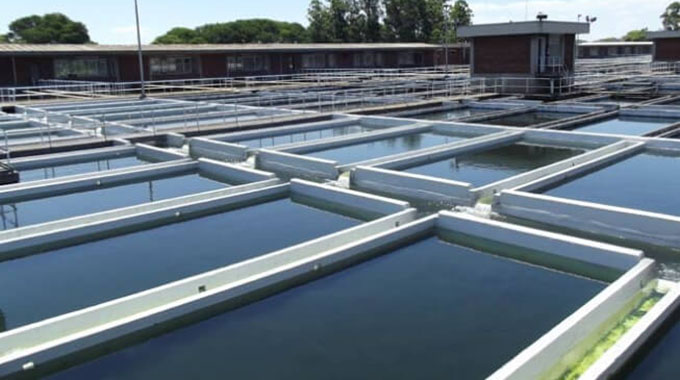
AT long last Harare City Council is going to be using a lot more of the new infrastructure built and installed in the decade after independence to improve water supplies.
While this infrastructure ended then water shortages in Harare Metropolitan, it was allowed to decay and rot after opposition parties took office just over a decade later.
This reversal of the decline is being led by an investor who has taken over large sections of the city supply, installing prepaid meters in 36 500 homes and businesses to ensure guaranteed revenue flows with a lot more to come until everyone is on such a meter.
During the 1980s, under Harare’s first post-independence council, councillors approved a major upgrade drawn up by technical experts that would double water supplies from the Morton Jaffray water treatment plant.
This included a tunnel from the larger Lake Manyame downstream of Lake Chivero, which had its own extra inflows of water, largely from the runoff in Harare’s far western and northern suburbs.
That tunnel ended in a shaft near Morton Jaffray, allowing water to be pumped into the water works to supplement what was already being pumped from the Lake Chivero intake tower.
At the same time the water works were to be doubled in capacity in one single operation. That would also allow the older half to be fully rehabilitated in sections without having to have water shortages.
The pipeline from Morton Jaffray was doubled, so the extra water could be delivered and a large modern pump station was built at Warren Hills to ensure that the western and south-western suburbs, where most people lived, plus the major industrial areas, could have a 24/7 gravity-fed supply of safe, treated water.
Financing was not a problem. For a start everyone paid their water bills, based on actual readings not estimates, with the council ready to cut supplies if someone missed a payment.
A very careful set of small annual increases in water tariffs had been accepted, and the council had more than half the money needed in cash in the bank and was able to borrow the rest against the security of a guaranteed and rising revenue flow.
This is the position that Harare is returning to with the prepaid meters that are now being rolled out properly by the investment contractor after an abortive attempt by the council alone was allowed to just rot and had to be abandoned.
As Zesa found out, installing pre-paid meters was totally acceptable, since fake estimates no longer applied and the guaranteed revenue meant that tariffs could be kept at their lowest viable level.
All this dramatic work done so successfully was allowed to decay and rot when opposition parties took control of the city council at the beginning of this century.
Senior officials were more worried about funding their fancy motor vehicles rather than maintaining the water supplies while the councillors wanted to feather their own nests with outside deals, and in any case lacked the professional and business skills required to understand the whole supply technical requirements.
In the early days of the Second Republic, the new Government did attempt to motivate the council, and while the councillors nodded in agreement and looked enthusiastic, they did very little.
The change came recently with the new investor contractor coming aboard ready to put the water supply on a decent footing.
A lot has been written about Kunzvi Dam, its pipeline to Harare and the associated north eastern water works. But this new supply is generally to sort out the almost zero supply in the higher northern and eastern housing areas of Harare Metropolitan, areas that lost their main water supply two decades ago.
The rest of the metropolitan area will still be reliant on the much larger Manyame River dams and Morton Jaffray, hence the major works now in progress there as well.
Harare Metropolitan is shaped a bit like a saucer with the south west section broken off. There is a major set of escarpments to the north, the east and the far south.
The ideal technical solution has always been to have two sources of supply of water, one feeding the areas on the high side of the escarpments and one, from the largest river in the vicinity of the city, the Manyame, feeding the lower areas.
This solution is being implemented with Kunzvi supplying the high ground far from Morton Jaffray, while the larger water works, now with full access to both major Manyame River dams as the tunnel is recommissioned, supplying the vast western suburbs, the city centre and inner suburbs, and the growing major industrial areas.
This time, with an independent major investor and contractor playing the lead role, it will probably work and Harare Metropolitan will have the water supplies a major African capital city is supposed to have.