admin
admin
THE major lesson from the last summer season and the serious El Nino drought much of Southern Africa suffered, with the middle belt of Zimbabwe, Zambia and Malawi the worst hit, is that we cannot rely on rain-fed summer agriculture to feed ourselves.
We need to switch more and more to irrigation, and efficient irrigation at that so every drop of water is used properly.
The last drought was considered the worst for 40 years, and the measures taken to cope with a modest low-rainfall season were simply overwhelmed in many farming areas, although the best dryland farming areas did manage to get some sort of harvest. Farmers with irrigation were able to supplement the rainfall, sometimes having to almost double what fell from the sky, and did have a normal high-yield harvest. Climate change driven by global warming will mean more drought years in Southern Africa.
The El Nino, a periodic Pacific Ocean equatorial counter current that affects the Inter-tropical Convergence Zone that normally brings rainfall to Zimbabwe and its neighbours, is made worse as sea temperatures rise, so we can expect more and worse El Ninos.
Irrigation does require a great deal of investment. Dams have to be built, but that is just the start. The water then needs to be brought to the farms and then taken to the fields, and all this done at prices that allow the farmer to then make a profit, which usually demands the most efficient irrigation technologies and these days solar pumping to minimise energy costs.
That in turn usually means higher capital costs to achieve the lower irrigation costs. This is not only important from a business point of view, but must also take into account that there is a limit to how much water can be stored, and the need to cope with consecutive droughts plus this rising need for winter irrigation, to get a second crop each year from the available irrigation infrastructure.
Winter crops, such as wheat, need 100 percent irrigation, while most summer crops need supplementary irrigation, allowing farmers to plant earlier with higher yielding varieties and cope with the gaps in the rainfall that occur ever more often in even the best seasons these days. The Government of President Mnangagwa and the Second Republic has been building up the irrigation infrastructure, building more dams, rehabilitating irrigation schemes and increasing the irrigation infrastructure.
But equally important Government policy has been reforming the whole irrigation system to make it commercially viable by converting schemes to businesses, with the farmers as shareholders, and ensuring that the water is correctly costed so that farmers use it most efficiently and factor in maintenance and periodic replacement costs.
That means that schemes and infrastructure do not just collapse and die, but remain functional and viable for years and decades.
This hard-nosed business attitude and viable commercial approach have now opened new doors to the rapid expansion of irrigation, by bringing in private sector investors who can add significantly to the start-up capital required in the sure expectation of a reasonable return on their capital.
The fact that any such investment will be, in effect, a public-private partnership, combining raw public water with private irrigation equipment will provide a block to profiteering, although the efficient business investor working with efficient, highly-skilled and business-like farmers will be able to make a fair profit.
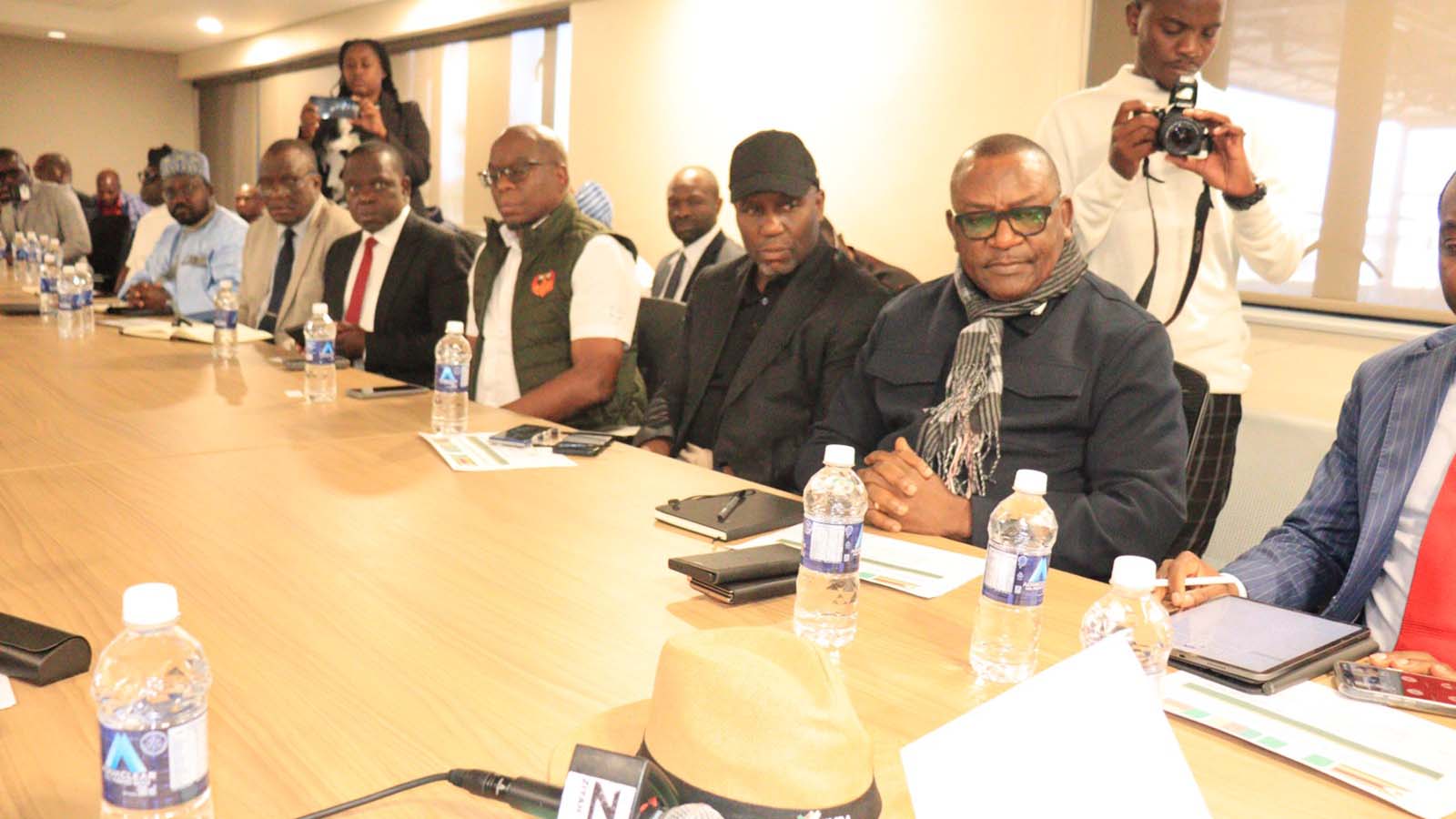
Last week, President Mnangagwa opened the inaugural Zimbabwe Irrigation Conference where potential investors were gathered. He made it clear that they were welcome, but that innovation, high-levels of efficiency and quality work was required.
The final goal, after all, is a large quantity of food and other agro-industrial raw materials at affordable prices, but with farmers earning a decent living so long as they are not wasting anything, and still the investor having a fair return.
The money for all this obviously comes from the much higher and guaranteed yields on irrigated land. When every tonne of other expensive inputs such as fertiliser and seed produces several times as large a harvest, the cost of irrigation is covered.
The huge expansion of the wheat sector over the last three seasons, including the present one, shows what is possible when everyone involved is commercially-orientated. Zimbabwe achieved self-sufficiency in 2022 for the first time ever since commercial wheat growing started in 1966, showing incidentally that land reform had worked rather well.
That was followed by a respectable surplus last year and a really serious surplus, at least for traditional use of wheat, guaranteed for this year. Already the agro-industrial sector is challenged to add to its product ranges as wheat forms a growing part of the diet of Zimbabweans.
Because the Ministry of Lands, Agriculture, Fisheries, Water and Rural Development has been active in reforming the whole irrigation sector, and has been talking to interested investors, a pair of deals, involving a combined US$227 million, were signed right in front of the President at the conference.
This was not just a good start, but provided a practical example to others of just what was possible. Once the first investors have moved in, others will take a good hard look at what is involved and what is possible. There is a huge difference between attractive talk and actual commitment with practical benefits.
The Second Republic is not just looking at the larger farmers, the public owned ARDA estates and the A2 farmers, but is upgrading irrigation for small-scale farmers, but with the same commercial orientation.
The irrigation schemes for this sector are now business units, companies owned by farmers, and that applies right from the horticulture irrigated with village boreholes through to the schemes reliant on dammed water.
This is important, as wealth from better farming must be spread, but spread in a business-like way by ensuring that every input is used for maximum yields.
Farmers at all levels need to combine their fertiliser, seed, water and labour, and need to grow the right crops for their soils and zone, to earn the best possible living. We aim for an upper middle income country, and that means an upper middle income population, and that means upper middle income farmers, the largest single group of Zimbabweans.
The Government is putting the pieces together, and committing a good chunk of the national capital budget to this goal, and is now, as a result, able to attract extra investment into the skills our farmers have acquired. It all works together.



 Online Reporter