

 admin
admin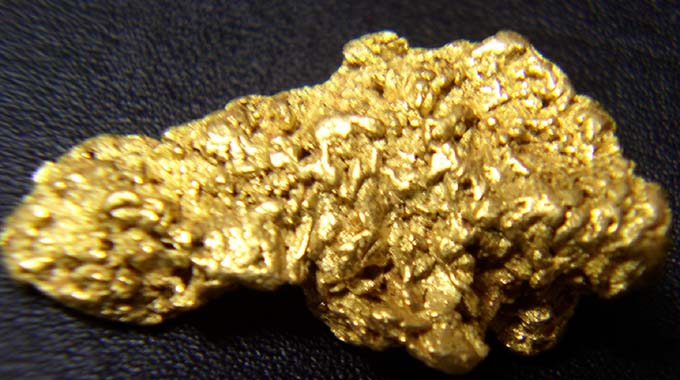
SMALL-scale and artisanal gold miners last year produced and delivered around 24 tonnes of gold, almost two thirds of the total production.
A lot of the increase in deliveries to Fidelity Refiners comes from small producers now using the official market, rather than being tempted to sell on the black market or smuggle their gold.
Fidelity itself has made sure that there are more selling points where gold can be assayed, weighed and paid for promptly, so the legal and official market is accessible and efficient.
At the same time, the general tightening up in the Second Republic and the growing pressure against dishonest dealings encourages turning to the more readily acceptable legal markets.
While small scale miners have to pay royalties, there are special rates for the small producers who pay a lot less than the five percent charged for the major miners. The first 500g or less a month is charged a one percent royalty and then these miners pay two percent for the next kilogramme.
Most are just seeing the one percent deduction when they sell their small amounts of gold, and again this tends to make sure that they bring it in to Fidelity.
This turn to the legal and official markets should help the full formalisation of the artisanal and small scale sectors. Some of these producers already have the mining licences and other official paperwork they need, but there are still large numbers who just dig wherever they can, or pay rent to an established mine owner.
Modern databases and surveys using satellite imagery should mean that licences can be issued very cheaply for very small areas, allowing the artisanal miners to be registered and have their claims recorded.
It should be possible to assign blocks of small claims and licences, which would make inspections and the like even easier.
Giving such very small producers security would help ensure there are no disputes and make them far more amenable to following basic and sensible rules over safety and the like.
At the same time, it would prevent those mavericks who dig up the ballast in railway tracks or tunnel under roads and schools. All mining operations would be legalised and regularised.
One major problem still remaining is that the majority of mine accidents and deaths are in the small scale and artisanal sector. We continually read of another small group of such miners trapped in a collapsing shaft, or trapped in a flooded tunnel or crushed by falling rock.
Large scale mines go to some lengths to ensure and enforce good safety standards, and while no one can prevent the odd minor injury when someone drops a hammer on their toes, major accidents are very rare in large mines.
The mining companies are continually looking for ways of creating and enforcing high standards and most have a dedicated senior manager making sure the production staff do not skip any of the laid down rules.
We see appeals from Government experts in the Ministry of Mines and Mining Development for artisanal miners and small scale miners not to take risks.
This would include the sort of risks that can occur when people enter older mine workings that have not been kept in good repair, or when storm water drains have been blocked or silted up allowing floods to flow down shafts after a major storm.
The recording of all claims, including the very small claims of artisanal miners and the renting out of mine workings on some substantial mines, would help improve safety by at least telling Government safety inspectors where people were working.
Some of the artisanal miners are nervous of inspection, fearing that it is just one ploy to stop them earning a living. But if they are registered and formalised, the safety inspectors could do the really valuable job of showing the workers where the dangers are in their workings and, most importantly, what they need to do to reduce the risk of injury or death.
Some solutions will be very simple, just not obvious or not already done because the miners are willing to accept the risks. But they still need to be enforced.
Other dangers will be harder to see although solutions might not be costly. For example, old mine workings once properly drained might now be open to flooding after a few years of overgrown and silted-up drains, and the solution could well just be a couple of days digging so flood waters go to a river or stream, not down a shaft.
A lot of Zimbabweans earn a reasonable full-time or part-time living from gold mining. The country’s gold deposits are usually small and scattered, and while gold is still common even after centuries of this small-scale extraction, most of it is only economically recoverable by an artisanal miner.
This is simply a geological fact and these scattered small deposits drove Portuguese and British imperialists to despair, while allowing local people working for themselves to earn a living.
There was no second giant Rand across Zimbabwe, but we are a consistent producer and still in the top 20 producers, just needing to make sure our small scale miners are allowed to produce.
But we want them to produce legally, as well as sell their gold legally, have the security of registered claims, even if these are special small claims, be environmentally aware and be open to inspection for safety advice and enforcement.
We think that with modern technologies we can have all this without any serious problems.



 Online Reporter