

 admin
admin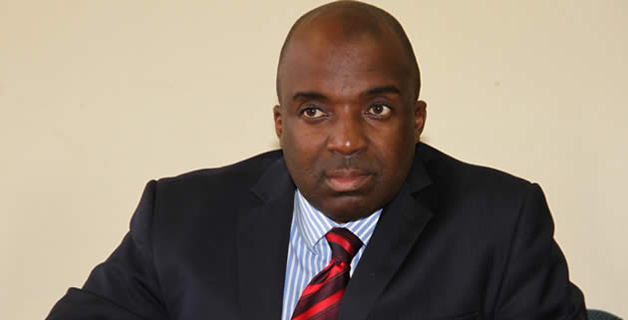

Zimbabwe has since independence made great strides in ensuring access to health services by the majority of the people. The government, local authorities and the private sector built hospitals and clinics in both the rural and urban areas so that people are within walking distance of the nearest health institution. The health sector has over the years accounted for a big chunk of the national budget.
The challenge that government is grappling with at the moment is equipping the health institutions as well as providing adequate drugs and other consumables. The donor community has been doing a sterling job of complementing government efforts to equip the hospitals as well as provide the required drugs and medicines.
It is a fact that the majority of people cannot afford to pay for health services and as such public health institutions are failing to recoup even the costs of providing services.
The institutions are as a result struggling to raise adequate resources to meet their day-to-day needs. The majority of patients that are able to pay for services are members of Medical Aids Societies and their families. Most of these medical aid societies are however failing to pay service providers and members are as a result being denied services.
The decision by the government to increase consultation fees for general practitioners by 100 percent will therefore worsen the plight of patients, most of whom could not afford even the old fees. The general practitioners’ consultation fees have been increased from $20 to $35 while subsequent consultations at the rooms for the same illness will be $30, up from $15. Doctors’ consultation fees go up to $60 for weekend and $70 for night visits. A visit to a physician paediatrician now costs $120, up from $100 while subsequent consultations at the rooms for the same illness are now $70, down from $80.
Defending the increases in doctors’ fees on Wednesday, Deputy Minister of Health and Child Care Dr Paul Chimedza said since the introduction of the multi-currency, the doctors’ fees had not been reviewed while medical aid societies had been allowed to increase subscriptions four times. Dr Chimedza said it was important to allow doctors to increase fees as that would help to retain doctors given their prevailing poor working conditions. Dr Chimedza accused medical aid societies of abusing money paid by members through paying obscene salaries.
“We are not going to allow hospitals and doctors to subsidise medical aid societies,” said Dr Chimedza. He said medical aid societies should direct subscriptions to service providers. It is a fact that the majority of people seeking services at doctors are not on medical aid because most people are out of formal employment. Government can therefore not base its argument on the mismanagement of subscriptions by medical aid societies because very few people are members of these societies.
What is critical is for government to ensure that whatever fees are charged by doctors are affordable to the majority of people. Many people cannot afford the fees announced by government and as such government is denying its citizens access to health services. Access to health services is one of the basic rights that all Zimbabweans must enjoy and it is therefore incumbent upon government to ensure that people are not denied this right.
Access to health care services cannot be a preserve of the rich as is the case when the majority of people cannot afford fees to consult even a general practitioner. The level of salaries that the few who are in employment are being paid cannot sustain the level of consultation fees recently announced by the government. It defeats all logic to retain doctors whose services the people cannot afford.
The doctors like the rest of professionals cannot expect to be paid fees that are not in tandem with the performance of the economy. We want to implore the government to, without delay, review the fees downwards.



 Online Reporter