Online Reporter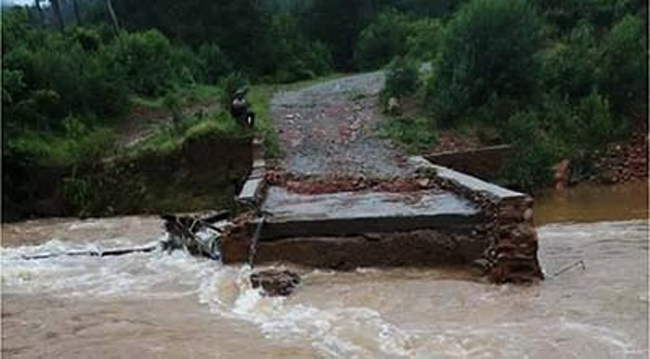
THE rainy season is upon us, bringing the much-needed relief from the sweltering heat.
For farmers in Manicaland, this is a critical time to act. The rainy season is a time of productivity and multiplication.
Farmers should make the most of it.
If any farming area has received 25mm of rainfall over three consecutive days, it is a signal to start planting.
But this must be done smartly.
By planting smartly, choosing the right crops for a specific area, and taking care of livestock, farmers can ensure a bountiful harvest and brighter future for our communities.
Planting at the right time, on the advice of experts, and choosing the right crop for the right region is crucial for a successful harvest.
This is not a time for guesswork or following the crowd. Farmers must heed the advice of extension officers and plant crops that are suitable for their area’s climate and soil. Wrong crops in the wrong place can lead to disappointment and loss.
The distribution of Pfumvudza inputs must be swift and transparent, reaching the poor and vulnerable who need it most. There should be no room for corruption or self-serving interests.
Those who steal or deprive deserving beneficiaries must be arrested and brought to justice, as outlined by President Mnangagwa.
Pfumvudza is a Government initiative to boost yields and food security, and it must serve the community, not just a privileged few. Let us put community interests first and ensure that this vital programme benefits those who need it most.
Farmers must stagger planting to avoid the risk of mid-season drought wiping out their entire crops. Farmers should not plant everything at once – but spread it out and give themselves a better chance of a successful harvest. They should always seek guidance from Agritex extension officers.
For those farmers without irrigation, they should plant early and opt for ultra-early maturing seed varieties, as well as traditional grains. These are resilient and can thrive with minimal water. Thereafter, practice good agronomic practices and follow the advice of extension officers to ensure crops are healthy and strong.
Farmers must not forget about their livestock. They must prioritise livestock health by following veterinary officers’ recommendations on providing adequate shelter, nutrition, vaccination, dipping, deworming, movement control, and quarantines to prevent disease spread and ensure thriving animals.
The rainy season, while crucial to our existence, poses significant challenges.
It brings lightning, hailstorms, landslides, floods and cyclones, among other natural disasters can destroy homes, schools, and critical community infrastructure, causing significant disruption and even loss of life. The rainy season also takes a toll on health, particularly in children, as it brings humidity, mosquitoes, and seasonal diseases.
Heavy storms can damage water, sanitation, and hygiene (WASH) infrastructure, creating breeding grounds for disease vectors and increasing the threat of diseases such as typhoid, cholera and malaria, among others.
Travelling remains a daily occurrence, whether over long or short distances, motorists have to take the utmost caution while on the road. This begins by ensuring that their vehicles are in proper working and mechanical order. To stay safe, motorists should ensure their vehicles are in proper working order, with functional wipers, brakes, and headlights.
Tyres should have adequate grip, and drivers should exercise caution on slippery roads. Pedestrians should avoid crossing flooded rivers and stay away from falling trees and lightning strikes.
Communities must take precautions to prevent water-borne diseases by maintaining high levels of hygiene and using treated water. Mosquito-borne diseases can be prevented by eliminating stagnant water and using protective measures.
Local authorities should clear storm drains to prevent flooding in urban areas, and communities should avoid streambank cultivation and other activities that increase flood risks. The public should stay informed through weather forecasts and heed advice from authorities to ensure their safety. In areas prone to natural disasters, robust disaster management systems are essential. The Department of Civil Protection (CPU) should activate its systems throughout the province to handle any potential weather-induced disasters. Early warning systems should be activated to ensure effective preparedness and response. By working together, we can mitigate the risks associated with the rainy season and keep Manicaland Province safe.