admin
admin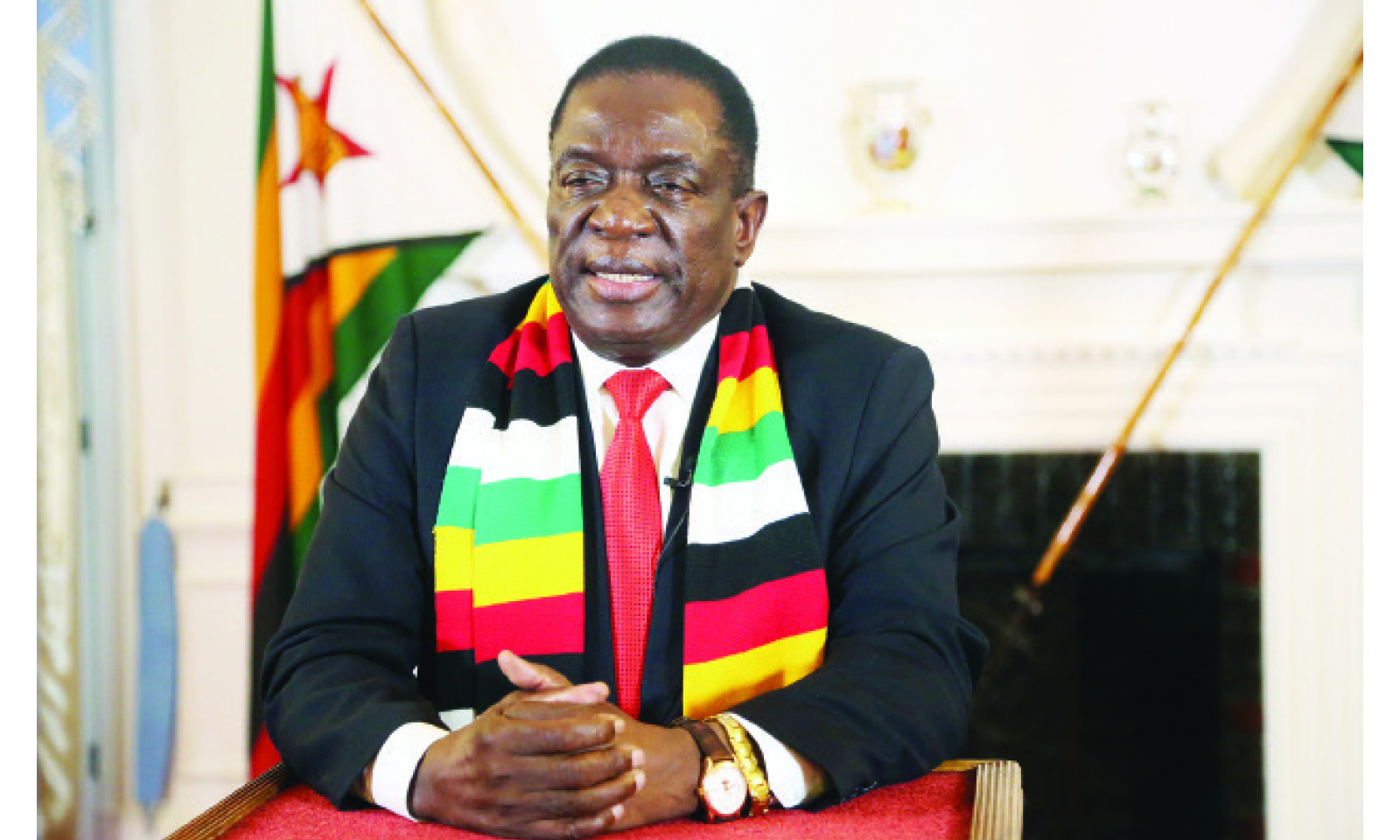
The major thrust of the Second Republic is economic growth, with this growth being seen in all parts of the country and benefiting all communities and interests as the nation advances together to the Vision 2030 of an upper middle-income society and economy.
As part of this wide-front advance, the Government has taken up with enthusiasm its Constitutional duty to advance the devolution agenda, particularly in transferring chunks of the capital development budget to provinces and districts, in the belief that first people who live in an area can set their priorities better than a civil servant in Harare and secondly because they can often mobilise other resources to stretch the devolution allocations from the budget.
A critical group in this process are the Ministers of State for Provincial Affairs and Devolution, with their teams headed by Permanent Secretaries, who not only have the duty of ensuring that communities and central Government are communicating, but also more generally to ensure that their provinces are racing forward through co-operation between the private sector, the communities and the Government departments in their area.
It is a wide-ranging set of responsibilities, and these are growing, and President Mnangagwa has made it very clear that he expects the Ministers of State to be highly active on the ground, knowing what is going on in their province and becoming the “go-to” person of choice when problems arise that need solutions involving others.
This means they also have to deal with Cabinet and central Government, and make sure that their province’s gaps and problems, as well as the successes and fixes, are known and that they are dealing with the correct authorities to get something done that needs to be done.
President Mnangagwa was irritated on Wednesday when meeting the 10 Ministers of State because some are not keeping Cabinet posted, and are not attending crucial Cabinet Committee meetings.
There is a lot of development in many districts, and even some urban areas, but often driven by the local business people, the rural district council or municipality, communities and the constituency MPs. We read about a new clinic for example, and if the reporting journalist has done their job we hear about the team that did the work: the local community and its leaders, the ward councillor, the local MP, the rural district council and its devolution budget and even a couple of local business people who came on board. Perhaps the only input from the Minister of State is “gracing the occasion” when the clinic is opened.
To be honest, in some of these successes the Minister of State need not be involved, everyone else responsible knowing what to do and doing it, and the Minister just has to congratulate those responsible, and carefully note their names and contact details in the competent book. On other projects the Minister should know about problems as they arise, someone delaying something for instance and so taking action to prod.
An active Minister will hear, early, that the borehole has been delayed at the clinic because the rig was overbooked somewhere else, and perhaps a phone call might see that rig squeezed in to complete a major project that a whole community has backed. It can sometimes just be little things like that.
This gathering of knowledge means that the Minister of State and the Permanent Secretary have to get around the province, meeting the councils, meeting the traditional leaders, meeting the local business people, meeting the investors at their mines or other major inputs.
A lot of this might be informal or semi formal, but the Minister will soon have a very good idea of who is pushing forward, who is holding back and why.
The chiefs in each province sit in a council, that has regular meetings. While the Minister of State is not part of those meetings they can easily arrange a social gathering after the meeting so they can meet all the chiefs and be able to put a face to a name and be in better contact.
The same goes for regular contact with the provincial heads of many line ministries; these officials do not fall under the Minister of State, but they should know each other and be able to co-operate.
The same again goes for the chairpersons of rural district councils and municipalities, and the Permanent Secretary should be in constant contact with the top local government officials, the chief executives and town clerks.
Equally important are the contacts with businesspeople and investors. A new mine might well need help getting to know their local community and local councillors to set up those community extras, and perhaps there might be problems where the Minister of State can help, even making sure that the relevant line ministry provincial head at least listens to what seems to be an important request from the business person.
In any organisation, private or public, there will be the doers, the sitters and those who would rather nothing was done that means they have to put in a day’s work. An active Minister of State will know who is who, and be able to help the doers, prod the sitters and see if something cannot be done to accelerate early retirement for those who want the quiet life.
The President has made it clear that he wants no place and no person left behind in the race for development, and here the Minister of State has their hardest job. The successes speak for themselves, and often just need a show of appreciation for a job well done, but the left-behind often have no voice. The Minister needs to know who is falling behind, and why, and these areas and communities are probably going to need more active involvement to get them back on track.
There will also be co-ordination, which considering the fact that rivers are often used as boundaries might just be making sure two neighbouring rural district councils share the cost of a vital footbridge so children can go to school. It could easily be something bigger, like how a major irrigation scheme will work in several districts, with everyone co-operating and seeing that allocations are fair.
As the President noted, an active Minister of State is going to be busy, very busy, but they will also have the reward of seeing their province move ahead, without any left behind, and knowing that they have made a difference, which is more than many can say.


 Online Reporter