admin
admin
There is need to work together to preserve jobs during the Covid-19 pandemic and ensure that the required restrictions on normal business activity put in place to stop or slow the spread are observed.
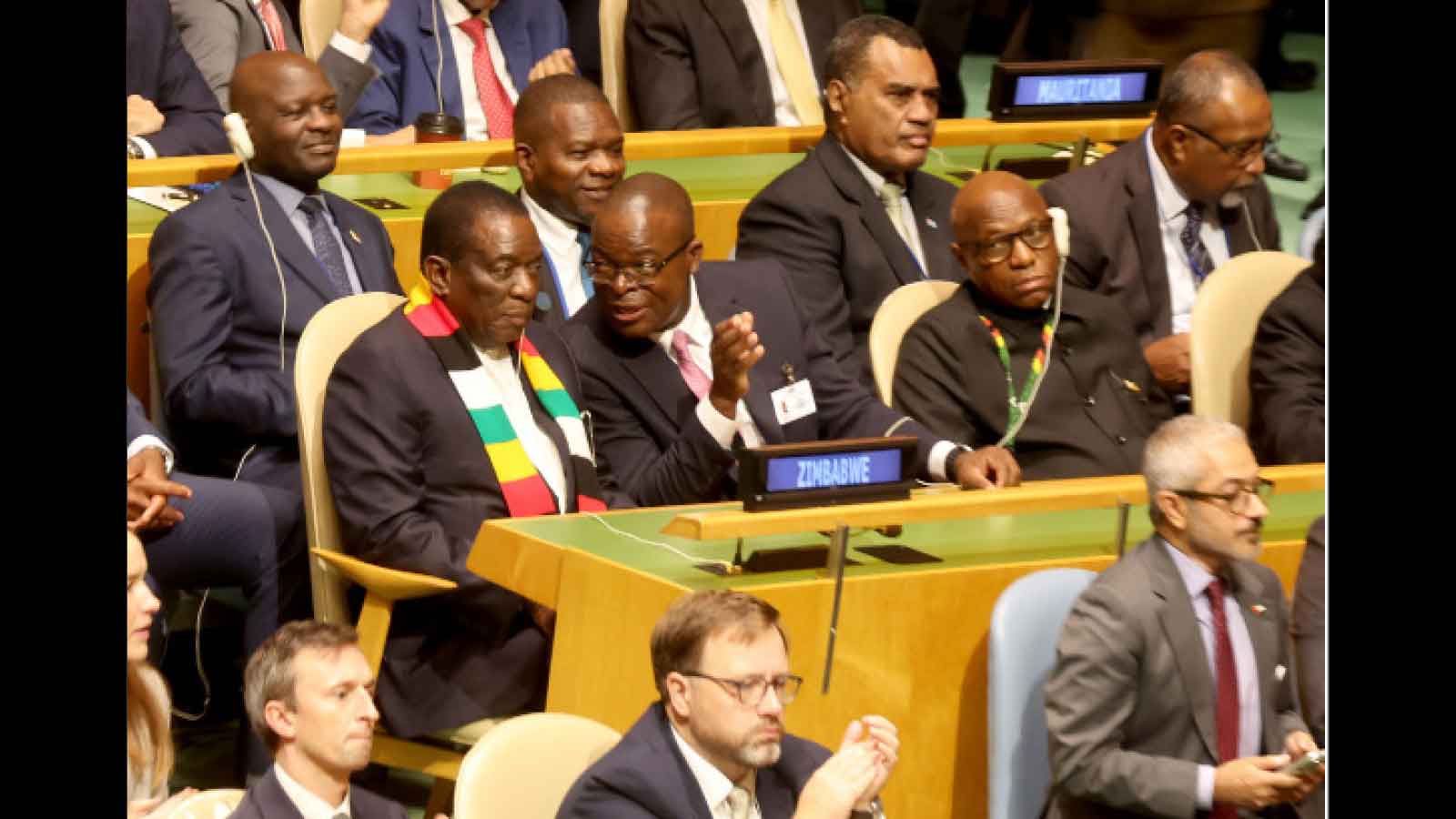
No one expected this pandemic. President Mnangagwa was on point last month when he said we were all caught unaware because the coronavirus did not give a warning.
The President declared a 21-day lockdown starting last month in line with similar painful, but necessary efforts globally to end and contain the spread of Covid-19, which has, however, inevitably caused serious financial and economic damage to countries, companies and individuals.
We need to stand together and for each other more than ever before to overcome the burden of this global pandemic to recover well after it has gone.
The viral disease has not and will not only have serious health-related consequences on humanity, after killing thousands and infecting millions others across the world.
Covid-19 has already shuttered factories, disrupted global supply and value chains, plunged global markets into turmoil and is certain to send the vast majority of world economies into recessions never seen since the Great Depression of the 1930s.
The point we want to drive home is that while the impact of Covid-19 is unmistakable and will leave indelible imprints long after it’s gone, companies need to wear a human face by making painful, but job-saving sacrifices for the good of our beloved country.
Companies are already finding their balance sheets stretched, resources thin, margins squeezed and profits probably wiped out, while costs remain unchanged, but a human heart will save jobs for our brothers, sisters, parents and friends.
At this juncture, we implore capitalists for once, to consider the plight of people, some who have been with their companies for over 40 years.
We say this fully aware that life in Zimbabwe and indeed the rest of the world will never be the same for many by the time Covid-19 leaves our shores, but we can do something to improve our situation. Companies need to survive no doubt, and certain job losses may be inevitable, but we implore every company in Zimbabwe to play its part in minimising the after-effects of the lockdown occasioned
What is presently in the mind of every corporate executive and business owner at the moment is certainly how they will deal with the after-effects of the 21-day lockdown, which has clogged all or some business’ income, in order to remain afloat.
Certainly, it won’t be a stroll in the park, but we implore all patriotic and caring business owners to have human hearts. After all a company is nothing without its workers. Businesses must adopt altruistic responses to Covid-19, to save precious jobs.
Businesses will need to undertake thorough introspections to find how they can streamline on non-essential areas to cut costs without costing their workers elusive jobs.
For instance, companies can suspend non-urgent programmes like research, training and development in the short term as well as expendable costs like performance, annual bonuses and non-essential allowances.
Firms can make reasonable cuts to directors’ fees and related benefits and perquisites, including certain costly entitlements that do not contribute to short term revenue generation until the current storm is over.
Furlough measures such as unpaid leave, unpaid days-off, cutting working hours or days as well as intermittent closures can also work to avoid outright job losses and the truth is, there is not a one size fits all approach.
We know and have already seen the significant economic impact of the coronavirus on financial markets and vulnerable industries such as non-food manufacturing, tourism, hospitality and travel, and there is need to minimise it.
For instance, travel and tourism accounts for 10 percent of the global gross domestic product and 50 million jobs are at risk worldwide.
This, in turn, affects many people, typically the least well-paid and those self-employed or working in informal environments in the big economy or in part-time work with zero-hours contracts.
Some governments have announced economic measures to safeguard jobs, guarantee wages and support the self-employed, but there is a lack of clarity in many countries about how these measures will be implemented and how people will manage a loss of income in the short-term.
But to incentivise business we propose the Government will also need to dig deep for measures that help significantly lower costs on business through cuts or suspension of certain statutory costs like fees, levies and tariffs, especially in critically affected areas, notably, travel and tourism.
Workers and their representative unions should also play ball in the quest to ensure preservation of jobs by making sure they suspend immediate demand for higher pay and related benefits that increase the strain on businesses.
Lest we forget, behind these statistics lie the human strain of the pandemic, from the deaths of friends and family to the physical effects of infection and the mental trauma and fear faced by almost everyone, which we must all lessen by preventing job losses. Therefore, this is the time that Government, workers and industry must join forces to fight the common enemy, preserve jobs and livelihoods and them pick our fights when the storm is gone.


 Online Reporter