Online Reporter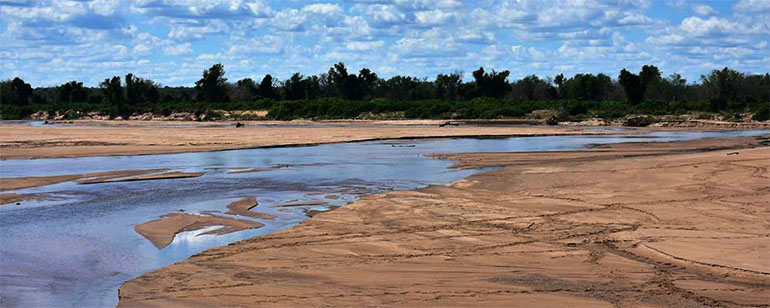
THE declaration by President Emmerson Mnangagwa that Save, Mutare, Nyamukwarara and Haroni rivers in Manicaland are now a state of disaster is both a sobering reminder and a clarion call.
President Mnangagwa last week officially declared 17 major rivers a state of disaster through Statutory Instruments 91 and 92 of 2026.
The Statutory Instruments establish a national state of disaster across Zimbabwe’s riverine ecosystems and empowers authorities to urgently rehabilitate rivers severely damaged by illegal and destructive alluvial mining.
Under the new regulations, all mining and agricultural activities are suspended along the 17 river systems to allow for ecological recovery.
These rivers, once lifelines for communities in Manicaland and beyond, have been ravaged by rampant illegal mining activities along their banks. The announcement underscores the gravity of the situation: what was once a source of sustenance, biodiversity, and cultural heritage has been reduced to a zone of ecological collapse.
Illegal mining, particularly artisanal gold panning, has left scars that go far beyond the visible siltation and destruction of riverbanks. The environmental consequences are devastating.
Rivers that once flowed with clarity are now choked with mud, toxic chemicals, and debris.
Mercury and other hazardous substances used in unregulated mining seep into the water, poisoning aquatic life and contaminating drinking supplies. Communities downstream are exposed to waterborne diseases, while farmers who rely on irrigation face declining yields due to polluted water.
The health effects are equally alarming: mercury exposure can cause neurological damage, while contaminated water sources increase the risk of cholera, dysentery, and other deadly outbreaks.
The declaration of disaster is not merely symbolic; it is a recognition that the situation has spiralled beyond ordinary management.
Rehabilitation of these rivers is now urgent.
Restoring them will require coordinated action: dredging to remove silt, reforestation of riverbanks to prevent further erosion, and strict regulation of mining activities.
But rehabilitation alone will not suffice if the root causes are left unchecked. Illegal mining thrives because of weak enforcement, corruption, and in some cases, political protection of offenders.
Without addressing these systemic issues, any rehabilitation effort risks being undone by continued lawlessness. This is where drastic action becomes imperative. Offenders must face penalties that are, not only deterrent, but also restorative.
Fines should be directed towards environmental rehabilitation funds, while repeat offenders must face custodial sentences.
Importantly, enforcement must be blind to political connections. Too often, illegal miners operate with impunity because of their ties to powerful figures. This culture of selective justice undermines both the rule of law and the credibility of Government interventions. If rivers are to be saved, then justice must flow as freely as water once did in Save, Mutare, Nyamukwarara and Haroni.
The broader implications of this crisis extend to national development.
Rivers are not isolated ecosystems; they are arteries of economic and social life. Their degradation threatens food security, public health, and even energy generation, as siltation reduces the capacity of dams and hydroelectric plants.
In a country already grappling with climate change, the destruction of rivers compounds vulnerability.
Declaring them a disaster zone is therefore not just about environmental protection; it is about safeguarding livelihoods, ensuring resilience, and preserving heritage for future generations.
What is needed now is a multi-pronged approach. Government must lead with decisive enforcement, but civil society, local communities, and the private sector must also play their part. Awareness campaigns can help shift public attitudes, while community-based monitoring can ensure accountability at the grassroots.
International partners, too, can support with technical expertise and funding for rehabilitation projects. But ultimately, the success of this initiative will depend on political will — the courage to confront vested interests and prioritise the common good over narrow gains.
Save, Mutare, Nyamukwarara and Haroni rivers are more than geographical features; they are symbols of life, continuity, and identity. If Zimbabwe rises to the challenge, these rivers can be restored, and their story can become one of resilience and renewal. If not, their decline will stand as a damning indictment of neglect and impunity. The choice is stark, and the time for action is now.