Online Reporter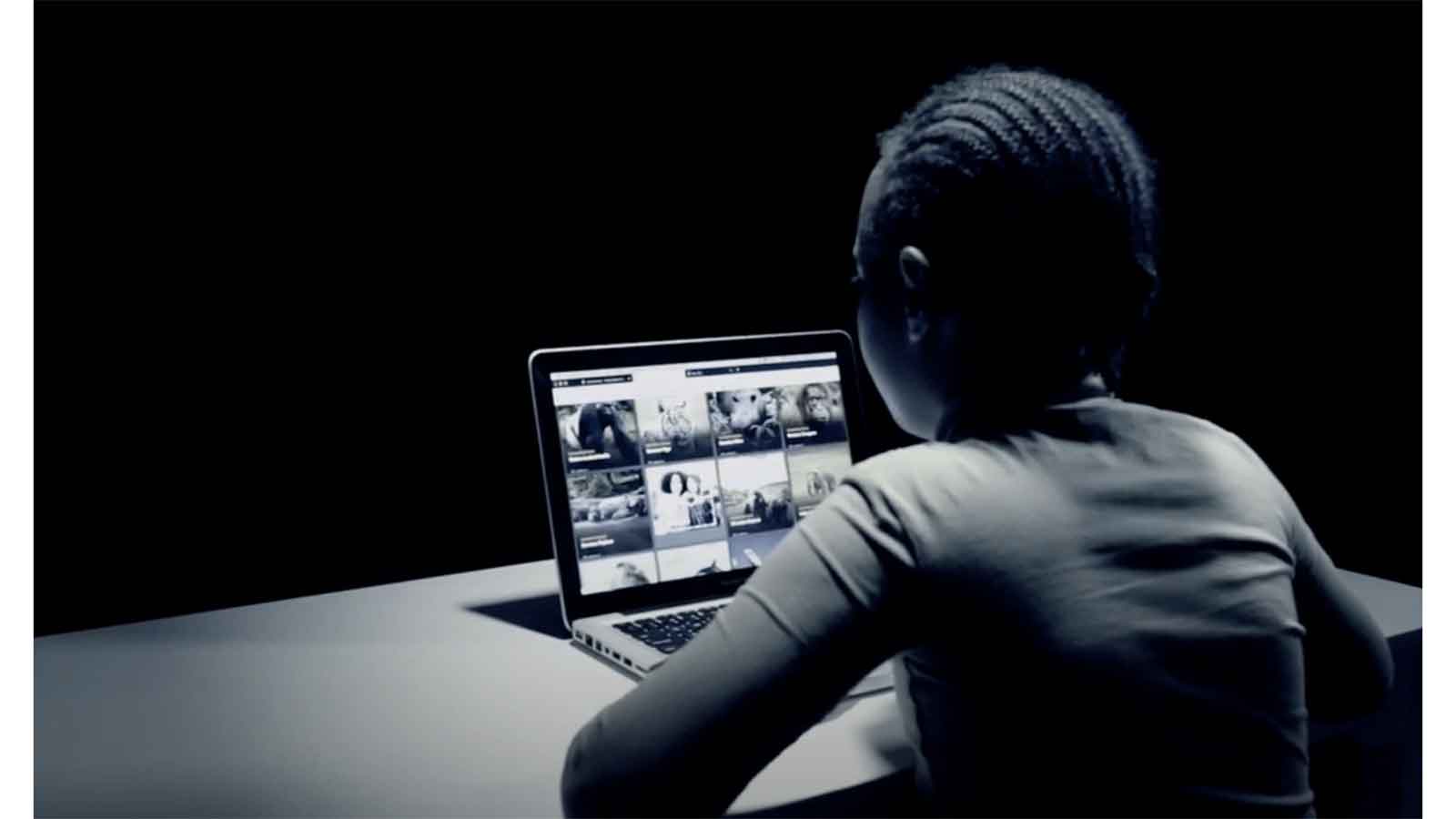
THE internet has brought huge benefits to most people in the world since near universal access became possible at the beginning or early years of the present century, but there are dangers, and sometimes extreme dangers, especially with many social media platforms.
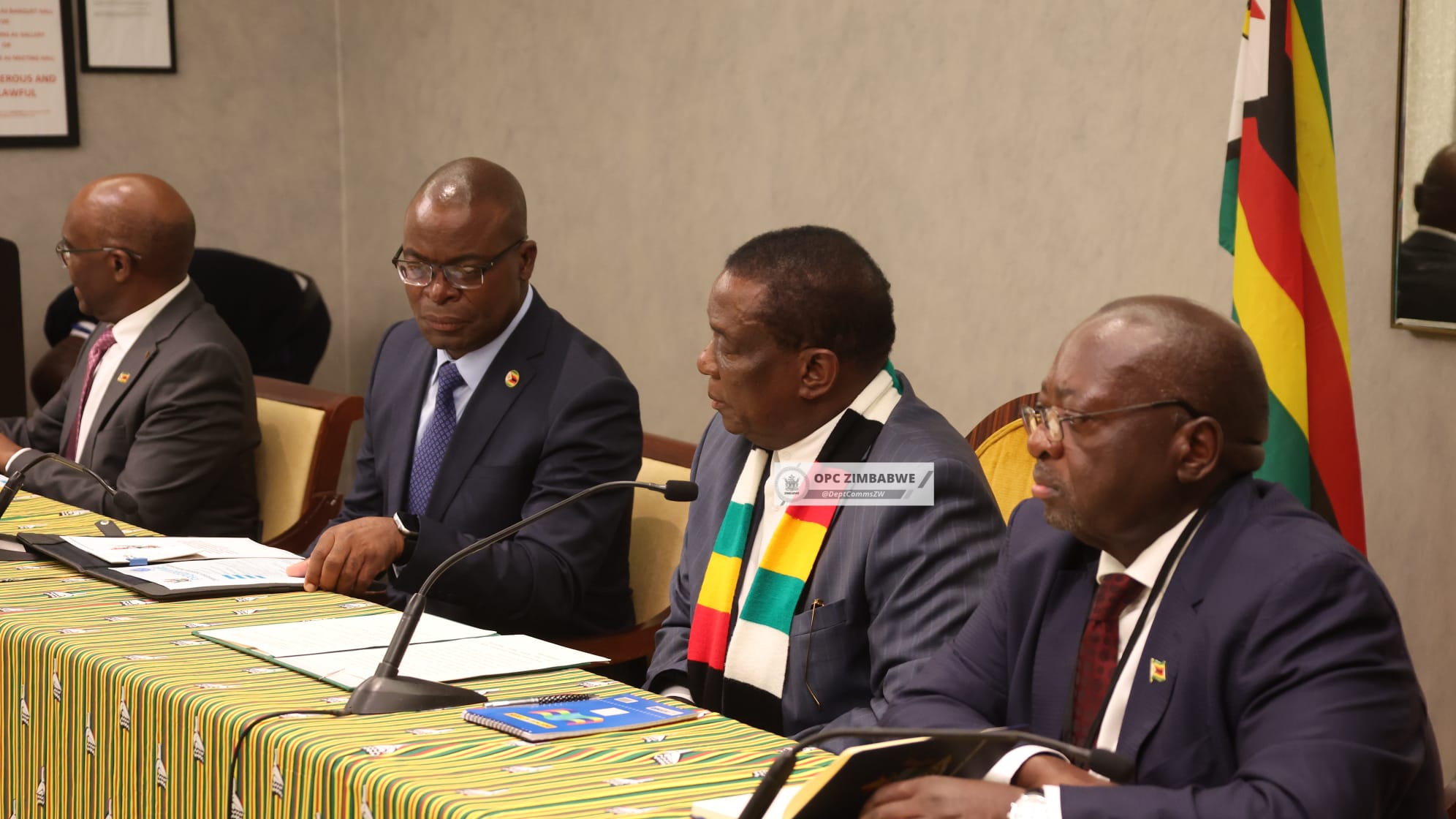
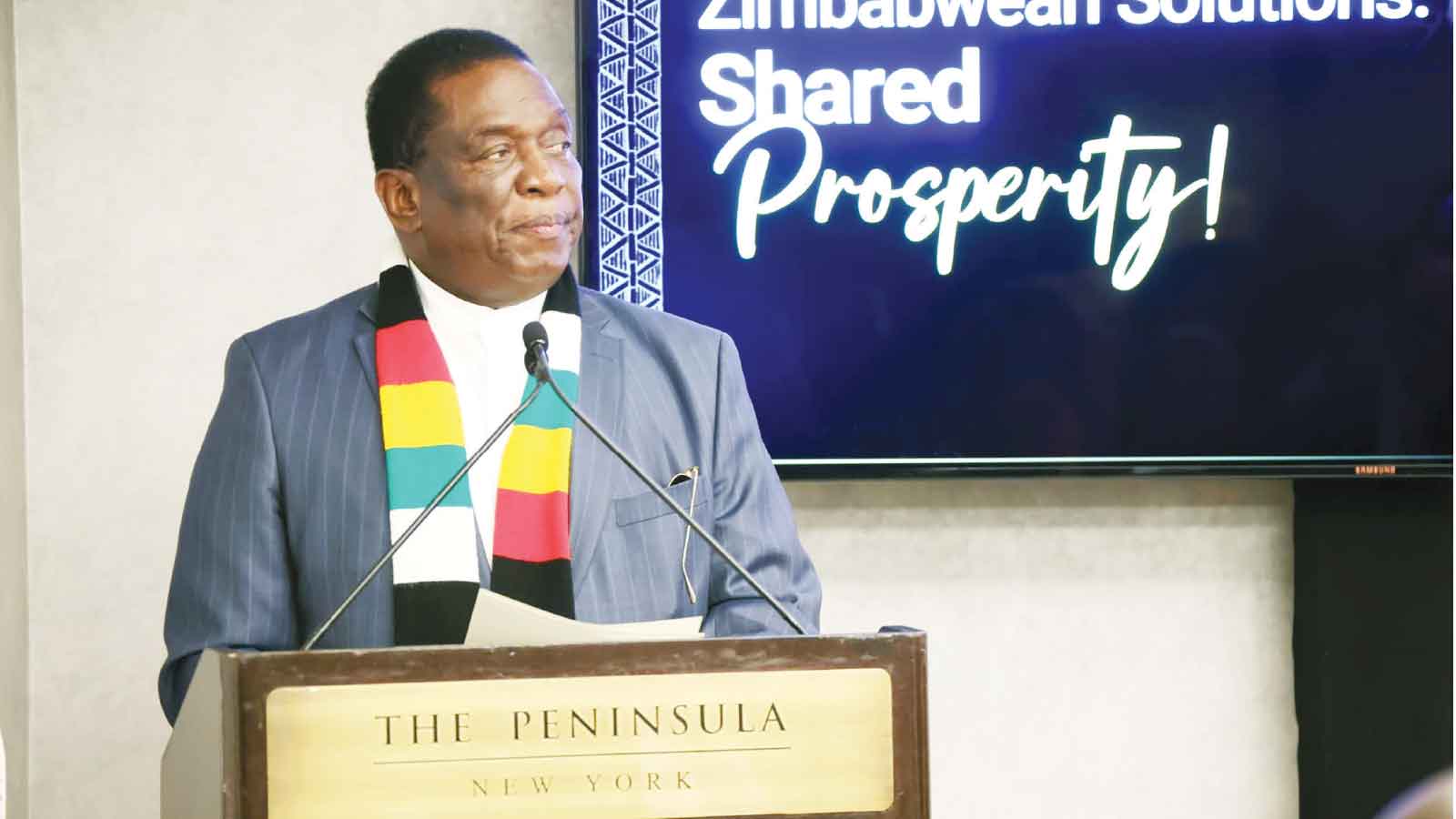
Zimbabwe is now considering how to set up and implement a ban on a large swathe of social media for those under 18, a process that has also started in quite a few countries.
Australia set the pace at the end of last year by forcing the owners of a significant set of social media platforms to verify ages and block those under 16 from accessing or using their platforms.
The Zimbabwean policy is still being worked out, and considering our small size and footprint, might be difficult to implement effectively without some sort of related regional effort to build up a large block of African muscle to take on the platform owners.
But someone must take the lead, and we can lead by example.
When social media platforms first appeared, they were relatively innocent and good fun and catered for some real needs. Humans being humans also meant that some rather unpleasant people, and sometimes the downright evil, signed up.
In these years many of these common platform owners were prepared to monitor what was moving around and to take complaints over content seriously.
That offered a degree of protection for children using these platforms, as well as stopping the broadcast of some of the worst content.
That has largely ceased. Most of these platforms are owned by American corporations who pay lip service to rights of free speech, although every country has some limits such as banning child pornography at one extreme limit.
The American authorities have in the last year or so expressed dislike for the older monitoring processes and the platform owners have enthusiastically slashed monitoring staff thus opening up their platforms, making past abuses far more common and much worse.
So the urgency for some action is becoming more obvious; it is likely that the social media platforms most guilty of allowing child-danger content will become worse.
At the same time our policy must continue to allow relatively easy messaging, although children can be excluded from dangerous openings such as group chats not run by their school or church.
That policy must also continue to allow children to access educational and similar very worthwhile content while they become older and wiser and are able to start assessing social media platforms more maturely.
So a policy is not that simple. A lot of countries have been looking at the experience of Australia, the pioneer of getting platforms to bar children despite the extreme objections of disagreement by platform owners.
So far around 10 very common platforms have been forced to comply, and anyone trying to get around the policy with a new platform might as well face the same sanctions.
As new dangers arise the list will grow.
The second success throws the onus on the platform owners; children are not criminalised if they manage to stay on. But platform owners can face fines of up to A$49,5 million, around US$32 million, and that was a large enough penalty to make them take notice and build up processes that could exclude children.
Generally they like to see a Government ID, and since Zimbabwe wants everyone aged 16 and over to have such an ID, this offers a way forward. Appeal to good natures are not enough, there must be muscle.
A more creative response has started to come forward from some platform providers with separate child-friendly platforms, and that positive development is likely to be built up as more countries, start forcing the platform owners to keep children off their general social media sites.
Such platforms must be encouraged, offering that safe space where children can develop their social media skills with little danger, a bit like the school and church group dances that many parents allow their teenage children to attend so that when they are adults they are not just dropped in the deep end.
Protecting children with age limits is not new. After the initial free-for-all in the film industry when it started up, a fairly tight censorship regime became common world-wide.
As this disintegrated a few decades later, there was some turmoil before the obvious solution of tight rating and age limits became the norm.
We keep children out of bars and nightclubs; we do not allow them to buy liquor; we have age limits on when they can buy cigarettes. This protects them.
The Ministry of Information Communication Technology, Postal and Courier Services will obviously consult widely as it builds up a child protection policy.
It will also find that even parents will have a wide range of views, sometimes because they themselves do not live on the worst social media platforms, but a rational policy can be worked out and backed by muscle.