

 Online Reporter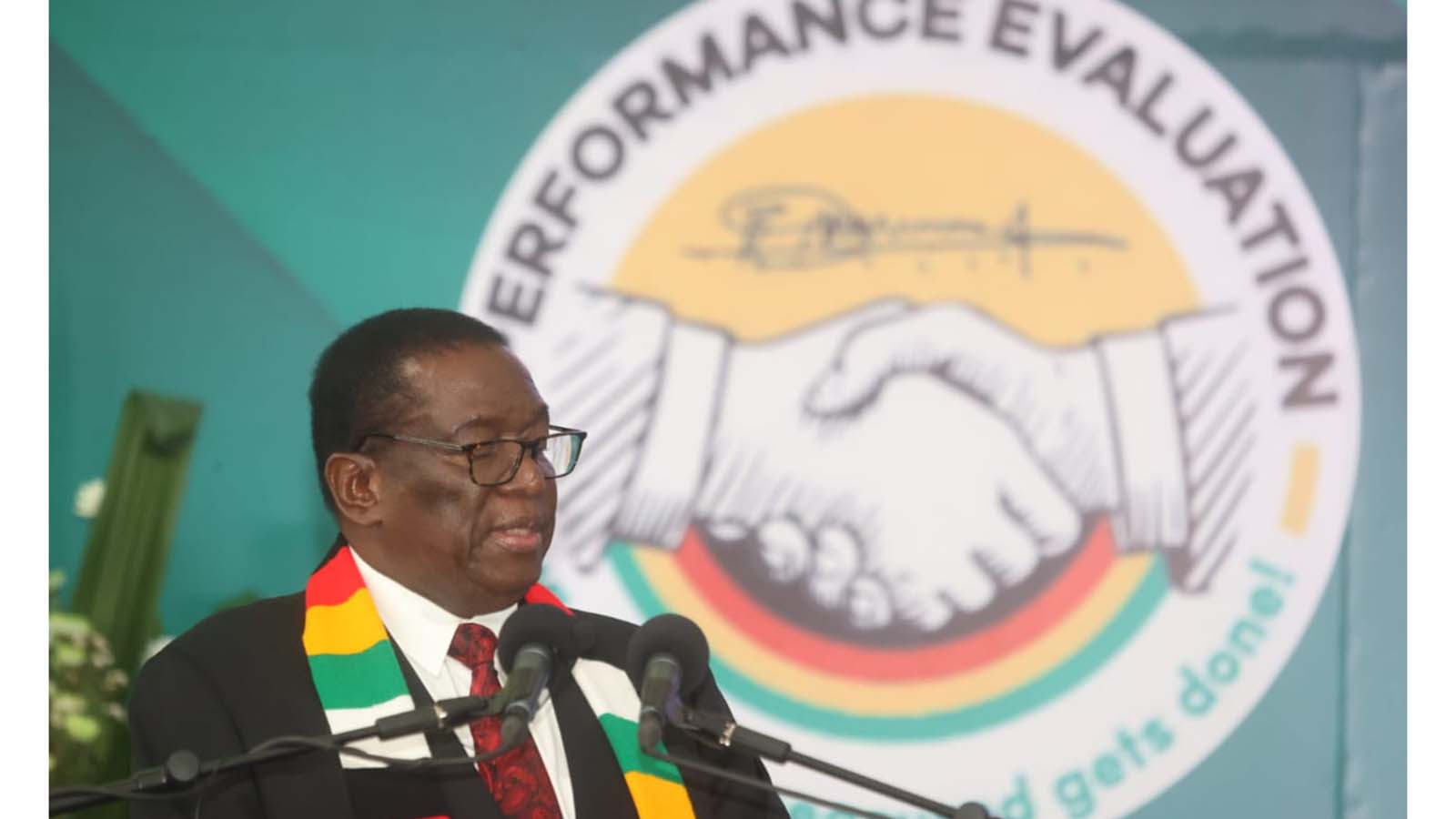
FOR Zimbabwe to grow and provide an ever-higher quality of life for all Zimbabweans, it is essential that all of those in public service be able and willing to do their jobs properly and provide citizens with the services they need and the tools to turn hard work into value creation and enhancement of life.
The Second Republic introduced, in its early days, performance contracts, starting with ministers and permanent secretaries but adding others as the years passed so that objective criteria were set for each person, and secondly how well those who signed these contracts were conforming to expectations.
This required two processes, that the ministry, department or agency concerned delved deep enough into its own structures and services to see if they were working, and to make sure that realistic goals were set.
The combination of all these set goals is what the national development strategy is built on.
The second stage was to see how well the realistic goals were being met, and the performance contracts ensured this could be done fairly precisely, with no vagueness or evasion.
Usually the reasons for success and reasons for lack of success or even outright failure are there to be seen quite clearly, so those whose performance is being measured can learn from both what went right and what went wrong.
This obviously makes them better, unless they are truly a hopeless case and there are not many of those in modern Zimbabwean public life.
The result, as President Mnangagwa noted yesterday is that “the public sector in general is showing higher levels of patriotism, servant leadership, hard honest work, unity of purpose professionalism and selfless service for the benefit of all our communities”, which sums up what they are supposed to be doing, and notes they are getting a lot better at it.
President Mnangagwa’s stress on the contracts and the evaluations are seen early every year, when he personally presides over the ceremony where those in the top echelons sign their new contracts, and he makes the awards for who really excelled the year before.
Almost everyone did well, otherwise we might hear how they retired from public life, so the shuffling each year for the top award is more of an indication of who among the best was the best of all. It is the cream on the cake of the performance contracts.
The best among the ministers was Minister of Tourism and Hospitality Industry Barbra Rwodzi, showing the spectacular progress the tourism industry made last year.
As the minister acknowledges, there was quite a lot of team effort from colleagues as diplomatic initiatives continued to open up Zimbabwe.
But the fact that Zimbabwe is now acknowledged as one of the top tourism destinations in the world, means that the industry as a whole, as well as their minister, who provides a whole range of vital links and support, have been getting things right and the rewards are now starting to flow.
Tourism and hospitality businesses are not just increasing value for Zimbabwe; full advantage has been taken of the nature of the industry to increase the number of businesses owned and run by Zimbabweans, as well as the numbers in formal employment. Wealth is being created and spread.
The top permanent secretary is Professor Obert Jiri of Lands, Agriculture, Fisheries, Water and Rural Development, whose ministry is hardly a stranger when it come to the annual awards ceremony.
His ministry is the major driver of raising millions out of poverty, or these days perhaps raising them from the lower income levels into the middle levels as so much total poverty has already been eliminated.
Prof Jiri was backed at the awards by his Minister, Dr Anxious Masuka, who almost always appears in one of top positions each year.
This year they were joined by the top Deputy Minister, Vangelis Haritatos of their ministry, so showing that there is depth as well in that area.
The top performing Deputy Minister was Vangelis Haritatos (Lands, Agriculture, Fisheries, Water and Rural Development).
That ministry has seen that Zimbabwe is now largely feeding itself, with some exports growing as foreign markets are opened up, and practical local programmes to fill in the gaps.
The main thrust is to make sure that a farmer who puts in hard work gets a reasonable crop and income, thanks to guaranteed markets for many crops.
First Runner up — Joshua Sacco (Transport and Infrastructural Development) and second runner up — Nobert Mazungunye (Justice, Legal and Parliamentary Affairs).
The top performing Permanent Secretary was Obert Jiri (Lands, Agriculture, Fisheries, Water and Rural Development), first Runner up — Vimbai Nyemba (Justice, Legal and Parliamentary Affairs)and second runner up — Ambassador Albert Chimbindi (Foreign Affairs and International Trade).
Two other ministries had a representative among the top three in each main area.
Congratulations to them all.



