Online Reporter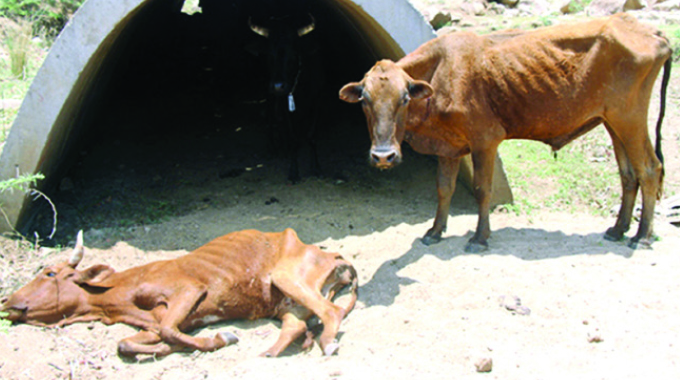
WITH the probability of a Super El-Nino drought in the coming rainy season now rising to 80 percent, Zimbabwe is neither throwing up its hands in despair nor retreating into wishful thinking, but instead has mapped out a range of measures to maximise harvests and ensure the maximum of grain from the good years is safely and securely stored so we do not go hungry.
Cabinet approved the range of measures this week, showing how important it sees the need for planned and coordinated action right across Government, and for that matter, the nation at large since the private sector has to be involved as well.
The Summer Production Plan for the 2026-2027 season, while dealing with the probable pressures in the season, also fits in with the long-term policies. These include climate proofing as much as possible Zimbabwean agriculture, so we can all eat, and making sure our farmers can make a decent living producing our food and industrial raw materials. Both are important.
Looking at past El Ninos, especially the most recent one hitting the 2023-2024 season, which was one of the most severe on record and which saw more than US$600 million worth of maize lost and 44 cattle deaths, the plans have been drawn up to expand what did work, and maximise what worked well.
Action can make a difference, a significant difference. Those cattle losses were high. But they were far lower, almost an order of magnitude lower, than what we had seen in past major droughts since steps were taken to provide water points and forage. And that fits in with the longer term policy since those water points remain and farmers have been learning how to control input costs of animal feeds by managing pasture and producing forage crops, something they need to do regardless of season.
We have also been rehabilitating irrigation systems and extending the range of new irrigation schemes from those expensive dams the Second Republic has been building and commissioning, as well as managing ground water more efficiently so it lasts through bad droughts.
Very important is looking at climate-resilient farming methods. Pfumudza/Intwasa was the product of accepting research from some smart scientists. Although there was some reluctance by some farmers, and the very hard work required could be a bit off-putting, it was pushed hard and linked to the input schemes for small-scale farmers.
Land farmed under the schemes has been expanding each season, with families finding they can recycle their dug holes and so can devote more time and effort to new digging, with enthusiasm growing as people see the results, the only test that makes sense. The input schemes have been upgraded to include a lot more traditional grains. Seed selection this season will be crucial, both as to the actual crop each farmer plants and the variety that they plant.
Even in a drought, most farmers using the best methods devised and accepting advice on what to grow will harvest something and do not have to just sit back and watch their crops wither and die. Good farming practice also demands a fair amount of hard work to make sure that what rain does fall in a drought, and some always falls, can be used and conserved for maximum effect.
All this requires that both farmers and their advisors are able to link the best research and best advice to each farm.
The second element of the national policy is to bring the maximum quantity of grain grown in the just-ended season into secure and well-managed storage so it will not rot or spoil or be lost to pests. We have been building up some ultra-modern silo capacity to augment what was already there and ensure that all stored grain is out of the weather and tightly managed. That silo capacity will be considerably extended in future, but already what we have will allow surpluses to be stored safely.
This stored grain will include the surpluses from very good maize, sorghum and millet crops from last summer, plus the expected surpluses of wheat that we are now planting. Farmers are now being paid quite soon after delivery, so they are not afraid to deliver to earn money. That financial pressure must be maintained.
The steady expansion of the village business units, all built around a new borehole, will provide more emergency food and money-earning produce to help farmers, and continued introduction of new crops that can earn extra income is being relentlessly pushed. Few farmers are now monoculture, growing just one crop, and instead grow a range so that income sources expand.
This hard-headed planning by Government, looking the dangers in the face and using every possible way to cope, is the only practical approach. We cannot just hope for the best, and by planning for the worst we can usually do somewhat better than we expected.