Online Reporter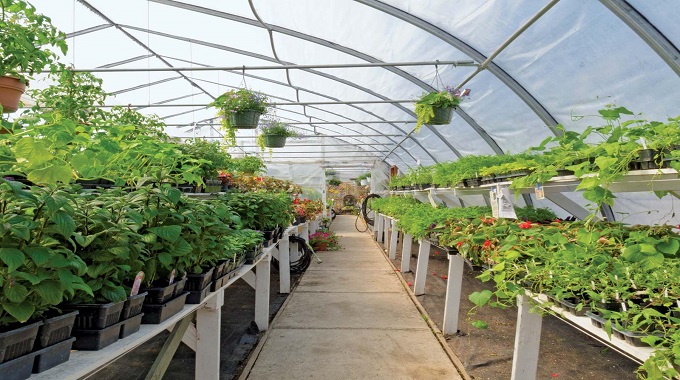
EXPANDING agricultural output must go far beyond just increasing the volumes of crops grown or the numbers of livestock: it must include broadening the quality of crops, maximising value and return on investment in both capital and labour.
We have seen under the Second Republic the major gains made in grain production.
We have seen the steady growth in tobacco, with new varieties now being planted along with the more traditional Virginia flue-cured types, so we have had both record harvests and improving incomes.
Cotton, after some serious cutbacks that should not have occurred, is recovering well after the Government stepped in and has largely reversed what was an unsuccessful process of deregularisation and partial privatisation. A wide-range of livestock improvements are in progress, both in the numbers and the quality of the animals sold as a result of programmes that give smallholders access to breeding stock.
In all these sectors there might have been some decrease in output as a result of the switchover via land reform from a few thousand large plantations and the rest of the farmers largely eking out mere subsistence, to a far more mixed commercial system built around a wider range of medium and smaller farms with a revolution in input supplies and ever greater involvement of the private sector.
The success of this changeover, building on the inherent higher productivity per hectare of properly managed smallholder and medium-sized farms as against large plantations, has seen records being consistently broken in many agricultural areas, and those record harvests being built on a far more secure and wider base.
Horticulture has been around for generations, and commercial horticulture is many decades old although for a lot of the crops a lot of the time the farmers were largely limited to local markets. Post-independence there has been an effort to build up export markets although output has fluctuated, such as what we saw with coffee when prices went into an unexpected temporary slump or when exports of the freshest vegetables and flowers, a very perishable crop, fell with the fall in air cargo capacity.
But the Second Republic has been seeing significant improvements, the recovery of most of what had fallen back and more importantly new products, new crops coming to the fore and now once again we are looking at breaking production records rather than recovering. This is important.
A lot is spoken and written about boosting exports, and while these are important, they are largely important as guaranteeing profitable markets for the farmers who grow the crops.
Without exports the tens of thousands of tobacco farmers, for example, would not be making money.
But for many crops that are exported, there are two sets of winners. Zimbabwe wins by seeing the country sell more goods, so raising the money to buy what we need to import. But very importantly those exports were grown by farmers who are now able to make more money, by growing more than they can sell inside the country.
And when farmers, the largest single group of Zimbabweans, are making more money everyone else makes more money, since those farmers and their families buy more goods and services rather than just stack their cash up in trunks. Hence the multiplier effect on every increase in our gross national output from every sector.
The Horticultural Development Council does have an export bias, since the local markets are largely filled and so most of the planned expansion has to be into export markets.
But the council now sees export revenue to reach US$2 billion a year, 25 times the present US$80 million, within a few years, an achievable target since it is building on what we are already doing and the increase will be seen each year.
This increase comes from the rise in output, the increase in quality and the widening of the range of horticultural crops, as well as some likely increase in prices that will benefit countries with Zimbabwe’s climate.
But it also requires the growers to be well organised, generally within their own special associations, and support from both innovative private forms and the general support of the Government.
Some of the growth comes from multiplying what we are now doing successfully, such as doubling the area under citrus, raising the area under blueberries two-and-a-half fold, a 30 percent rise in the macadamia hectarage, around 20 percent more land set aside for tea, tripling apple production and almost doubling the area for avocados and bananas and almost tripling coffee production.
Flowers should see a huge expansion as Zimbabwe helps meet demand for this specialist crop during the northern hemisphere winter.
Much of the proposed expansion will need irrigation, and the crops where this might not be so critical are largely specialist crops for the Eastern Highlands, where our farmers there do need to make better use of the special soil and rainfall and temperature conditions to grow the highest value crops, even if they have to bring in their food from nearby districts better suited for grains.
We are likely to see more specialisation of agriculture and farmers as they move into the commercial world looking at how to maximise the output of their farms in profits, rather than trying for subsistence and perhaps a little extra for sale. In the end, what matters is how well farms and their families live, and that means have the maximum income in cash and kind, and that in turn means growing the best crops and the best rotations of crops. More and more we are unlikely to see a farmer specialising in just one crop, rather looking for multiple strands of income, looking at interplanting a pair of crops in the same field perhaps, working out ways how one crop can mulch another or how upgrading animal diets will allow more manure.
So adding horticulture into the mix makes sense, providing yet more strands of revenue and widening as well as deepening the range of incomes.